The European Union has firmly rejected requests to suspend its new Entry/Exit System (EES), despite mounting pressure from the aviation industry to halt the controls until after the summer season. Airlines and airports had warned that the system is causing significant disruption and potential travel chaos at major holiday destinations.
EU officials acknowledged that the EES, which requires non-EU travelers to undergo biometric checks, is not perfect. However, they maintained that a full suspension is not possible and not needed. According to officials, suspending the system in some areas while keeping it active in others would create further confusion, potentially leading to travelers being incorrectly flagged for overstaying their 90-day limit if they exit through non-participating borders.
Migration Commissioner Magnus Brunner addressed the concerns in a letter, noting that the EU is committed to resolving issues within the system. He defended the new checks, stating they are being rolled out carefully and are making Europe safer every day. Brunner suggested that some of the reported delays might stem from factors outside the EES, such as a lack of adequate infrastructure or insufficient staffing levels.
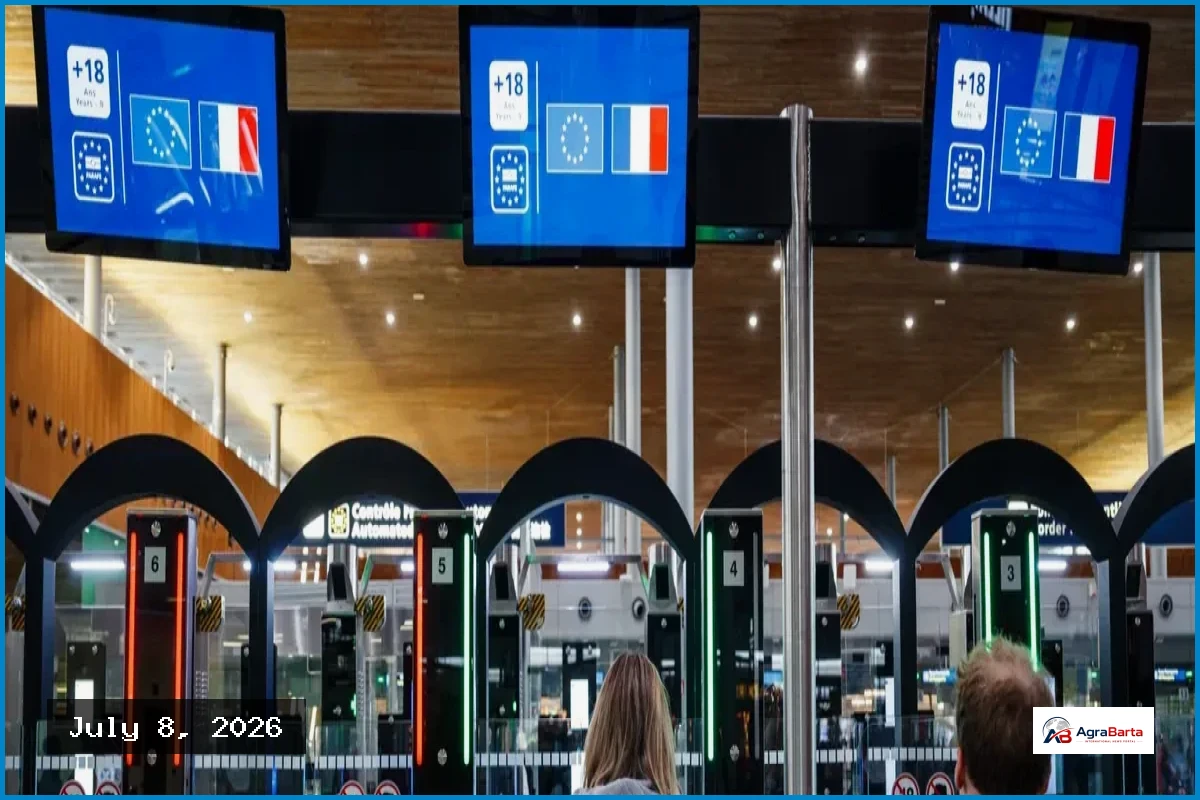
The EES, which replaced manual passport stamping in October 2025, operates across the 29 countries of the Schengen area, including Iceland, Norway, Switzerland, and Liechtenstein. It requires travelers to provide fingerprints and facial images upon their first entry to track their movements and ensure compliance with the 90/180-day rule. While the International Air Transport Association (Iata) has called for a suspension until next summer, EU officials noted that the system is functioning without issues at the vast majority of its 1,500 border crossing points, with only about 20 locations identified as difficult spots.
Current regulations already provide some flexibility, allowing ports and airports to temporarily suspend biometric registration if queues become unmanageable. However, this opt-out provision is scheduled to end in September. Industry representatives have warned that current wait times reach up to five hours, arguing that these delays are undermining European tourism, connectivity, and the continent’s reputation. Organisations representing European airports and airlines called on the European Commission to adopt urgent measures to limit delays at border checks, which are now not only causing disruptions for travellers but also “undermining Europe’s reputation, European tourism and connectivity,” the letter said.
Since the introduction of the EES, however, several locations have reported significant delays at border crossings, with the situation worsening at peak times, such as the Easter holidays.