European Union member states are preparing for a critical round of negotiations in Brussels next week, as they strive to reach an agreement on the 2028-2034 long-term budget by the Christmas deadline. The bloc is currently grappling with deep internal divisions regarding the scale of the financial plan, which was initially proposed by Brussels at nearly two trillion euros. Germany, supported by a group of nations including Austria, Denmark, Finland, the Netherlands, and Sweden, is spearheading calls for substantial reductions totaling several hundred billion euros.
These so-called "frugal" member states argued in August that a high budget is inappropriate during a period of "painful fiscal consolidation." This position is particularly notable given that German Chancellor Friedrich Merz is currently navigating political pressure from the electoral rise of the far-right AfD party. The core objection from this group is that the current proposal represents an approximate 60 percent increase over the previous budget of 1.2 trillion euros, at a time when many member states are compelled to tighten their belts.
In contrast, France—the second-largest economy in the bloc and a net contributor—maintains that the European Union requires sufficient resources to address mounting challenges. Paris argues that funding is essential to support the agricultural sector and bolster economic competitiveness against rivals in the United States and China. However, France is also managing its own fiscal difficulties, with far-right leader Marine Le Pen advocating for cuts to the French contribution to EU coffers as a strategy to manage national debt.
Ireland has introduced a new draft, based on 2025 prices, which proposes an overall reduction of 141 billion euros, or roughly 8 percent, compared to the earlier proposal. Under this plan, sensitive areas such as agriculture and regional development funds would see the most modest impacts, with cuts limited to three percent. Conversely, spending aimed at improving economic competitiveness would face a 13 percent reduction, and the administrative budget would be trimmed by 12 percent. Ireland noted that while nobody will get everything they want, the proposal offers something for all member states.
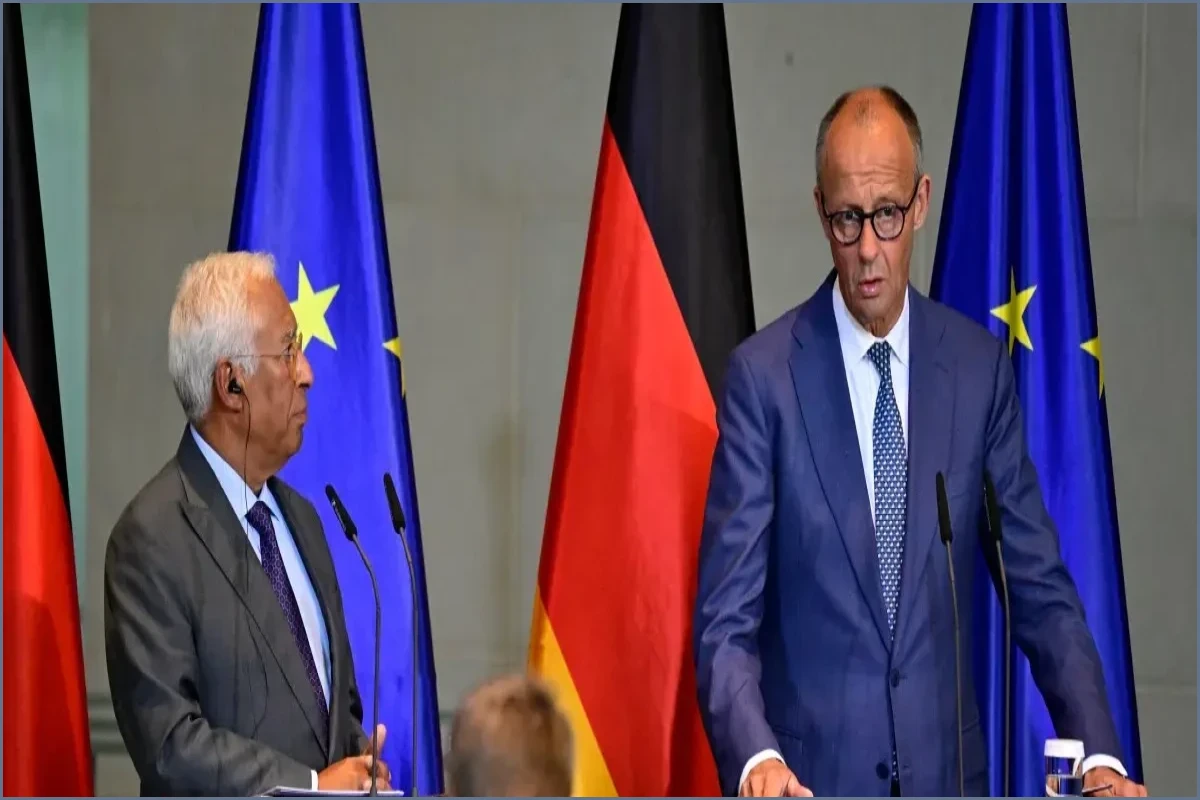
The reception to the Irish proposal has been largely negative. Chancellor Merz stated that the size of the new proposal does not provide a basis for an agreement, asserting that the budget must be affordable for the countries financing it. Similarly, members of the European Parliament have criticized the cuts, arguing they are too severe to serve as a starting point for discussions. Meanwhile, seventeen countries across southern, central, and eastern Europe have formed a "Friends of Cohesion" group to advocate for robust funding for agriculture and development.
The European Commission has suggested that the solution lies in generating new revenue streams rather than increasing member state contributions. Brussels has proposed implementing a tax on large corporations, a levy on electronic waste, and increased tobacco taxes. The European Parliament is pushing for even broader measures, including taxes on digital giants and online gambling. Ireland’s draft incorporates some of these levy increases, which the Commission estimates could generate 55 billion euros annually.
The European Union remains concerned that failing to reach a deal before the end of the year could push negotiations into 2027, an election year. There is significant anxiety that potential eurosceptic victories in France and other nations could complicate the dealmaking process further.
The new budget would still far outstrip the EU's last one, which was worth around 1.2 trillion euros.
Proposed spending on bolstering Europe's economic competitiveness would be cut by some 13 percent and the envelope for EU administration reduced by 12 percent.