The name Spain—known as España, Espagne, Spanien, or Xībānyá—carries a complex history that has long intrigued linguists and historians. Far from being a simple label, the origin of the name is shrouded in several distinct, often unexpected theories that date back thousands of years.
Many scholars point to the Phoenicians as the primary architects of the name. Around the fifth century BC, this Middle Eastern civilization purportedly referred to the Iberian Peninsula as "I-span-ya." One academic perspective suggests this term described the region as the "land to the north" when viewed from the African coast, with the root "spn" (sphan in Hebrew and Aramaic) signifying "north."
However, the most widely accepted theory suggests a connection to the region's mineral wealth. Experts in Semitic philology, such as Jesús Luis Cunchillos and José Ángel Zamora from Spain’s National Research Council, have determined that "I-span-ya" translates to the "earth where metals are forged." This theory relies on the Phoenician root "spy," which relates to metal forging, aligning with the Iberian Peninsula’s ancient reputation for having gold mines.
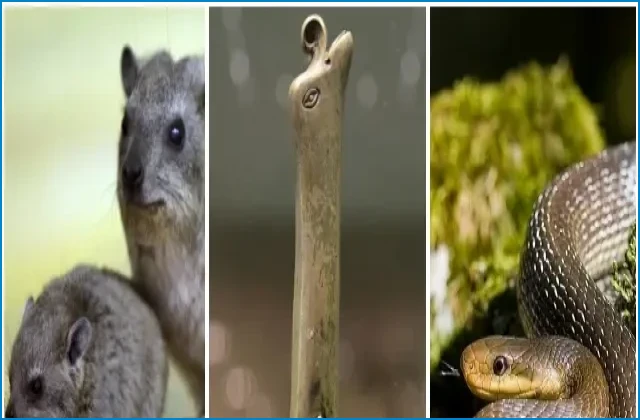
Before the name Spain became standard, the peninsula went by other titles. Ancient Greeks initially called it the "Ophioússa Peninsula," meaning "land of snakes." While it remains unclear if the region had a disproportionately high snake population, the prevalence of serpent imagery in Greek art and mythology underscores the significance of these creatures to the Greeks at the time. Later, the Greeks adopted the name "Iberia," a term believed to reference the Ebro River. Some linguists suggest "iber" was a local term for "river" that Greek explorers encountered frequently enough in Andalusia to adopt it for the entire region.
Alternative theories suggest that the Romans played a more definitive role in establishing the name "Hispania." Some historians propose that the root "span" referred to rabbits or hyrax—small, buck-toothed mammals. It is possible that these animals were abundant in the region during antiquity, or that the name arose from a mistranslation of the Semitic root "spn" related to metalwork. Finally, another theory posits that "Hispania" derives from the Basque word "Ezpanna," meaning "edge" or "border." This interpretation highlights the geographic reality of the Iberian Peninsula as the southwestern corner of the European continent and the Mediterranean.
You may have never stopped to think about it, but where does Spain – or España – get its name from?
So what does the name Spain mean? Is it ‘land of the sun’ or ‘country of swarthy people’? Does it have anything to do with spas or spanners?