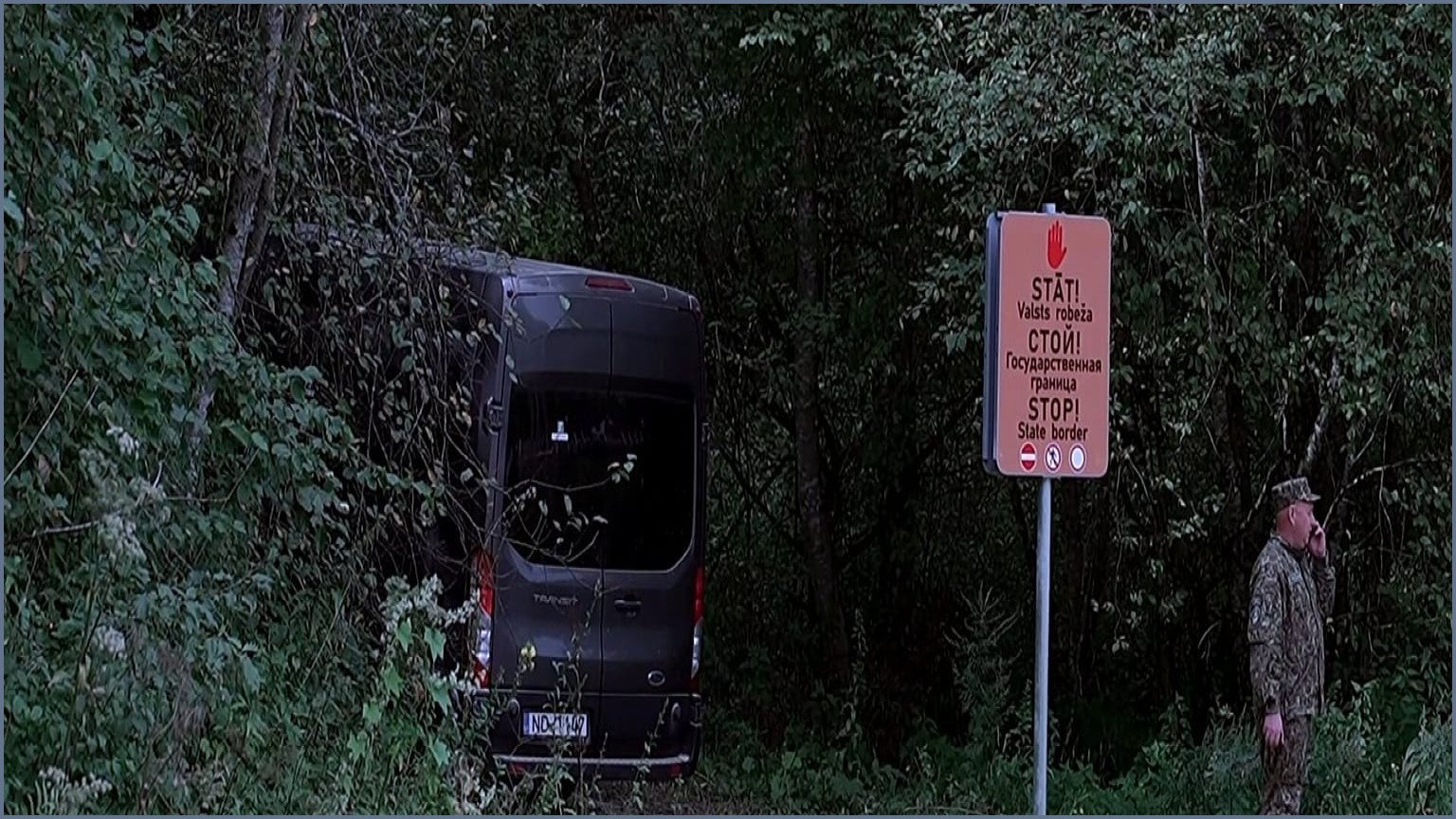
Latvia’s State Border Guard is pushing for expanded authority to secure the country’s 173-kilometre border with Belarus, following a recent surge in violent incidents. Interior Minister Jānis Dombrava described the current situation as a significant security threat, noting that a group of 20 migrants was recently led by “armed, masked escorts openly threatening Latvian soldiers.”
The incident, which included the destruction of surveillance equipment, has compromised Latvia's ability to monitor and respond to incursions. Dombrava emphasized that the combination of intimidation and sabotage is testing the nation's defenses, stating, “The combination of armed intimidation and targeted sabotage raises the risk of a violent confrontation and tests both our defences and our willingness to respond.”
Guntis Pujāts, head of the State Border Guard, noted that as physical obstacles like fencing and advanced surveillance systems have made unauthorized crossings more difficult, those facilitating the movement of migrants have become increasingly aggressive. Pujāts observed that facilitators are now resorting to throwing stones and brandishing items that resemble weapons, signaling an upward trend in hostility.
To address these challenges, the Border Guard submitted a formal proposal to the Interior Ministry on Thursday requesting changes to existing operational rules. Under the proposed amendments, border guards would no longer be required to issue a warning before using force in specific scenarios. Additionally, officials would be granted the authority to utilize all available tools to stop and “neutralise” individuals actively damaging border infrastructure.
Minister Dombrava expressed his support for the proposal, confirming he will introduce amendments to provide those protecting the border with “clearer powers and greater discretion when facing threats of this kind.” He highlighted the need to ensure that border guards, soldiers, and other officials can perform their duties with the confidence that they will not be “unjustifiably subjected to criminal prosecution for the lawful use of firearms or special means.”
While current laws already permit the use of firearms in serious circumstances, including sabotage, the proposed changes aim to broaden these powers for police and military personnel as well. When asked about the timeline for these legislative changes, Pujāts expressed an urgent need, stating he would like them to take effect “yesterday, or the day before yesterday.”