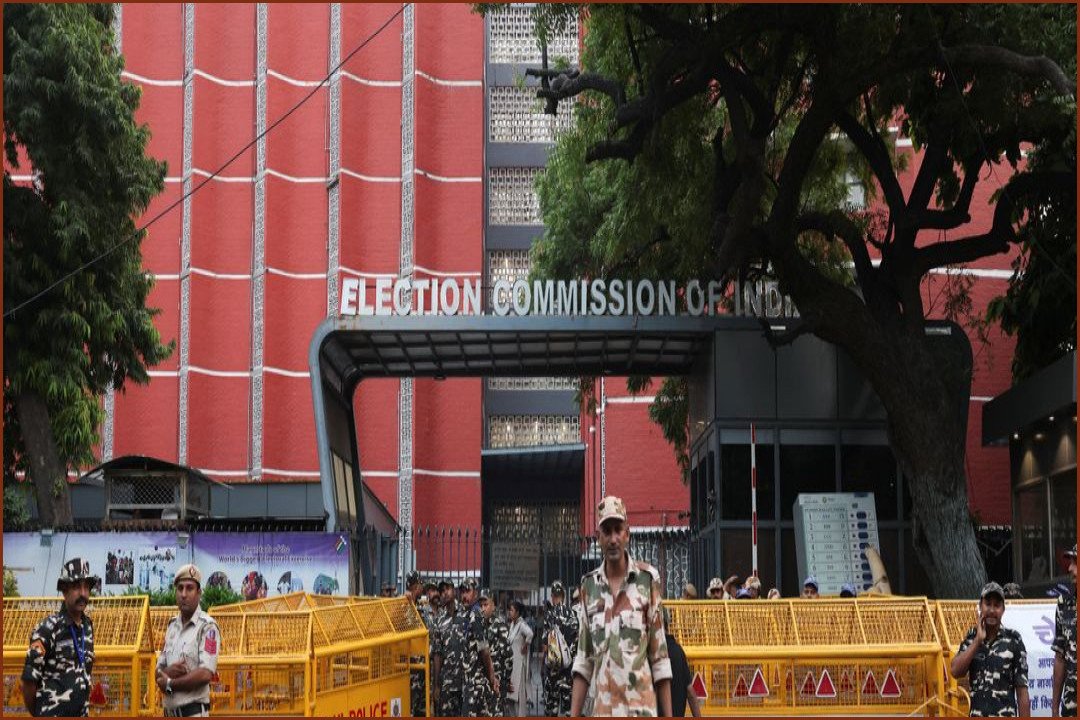
Indian authorities have implemented a strict lockdown across central Delhi to prevent a planned youth protest demanding the resignation of Chief Election Commissioner Gyanesh Kumar. The demonstration, organized by the "Cockroach" youth movement, aims to challenge a recent revision of voter lists that critics argue favors the Bharatiya Janata Party (BJP), led by Prime Minister Narendra Modi. Organizers have framed the event as a campaign to "Save Democracy," hoping it will become the largest of a series of demonstrations that began last week following reports in the Indian Express that Kumar’s own deputies had disagreed with him regarding the removal of approximately 130 million names from the electoral rolls.
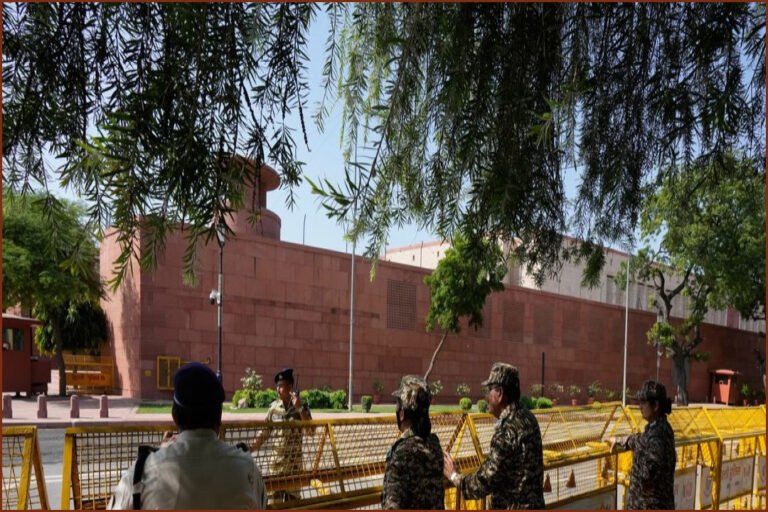
In anticipation of the protest, the city has seen a massive mobilization of police and paramilitary forces. Authorities have suspended mobile internet services within a four-kilometer radius of the protest site from Friday night through Saturday night. Furthermore, 57 metro stations were shut down starting Friday evening, and several long-distance trains arriving in the capital were cancelled to hinder the movement of potential demonstrators. The city’s markets in central areas have also been closed to maintain security.
The "Cockroach Janta Party," which originated as an online satire movement, announced plans to gather at Jantar Mantar at 10 am (0430 GMT) on Saturday. However, Delhi Police stated on Friday that they had denied permission for the protest, citing the late submission of the request and alleged violations of previous commitments made by the group. Police officials warned that they would enforce the law strictly against any participants who violated the ban. Despite this, leaders of the movement have rejected the police decision, asserting that their right to protest is a fundamental one.
The ongoing protests present a fresh political challenge to Prime Minister Modi, occurring only months after similar demonstrations pressured his education minister to resign over exam paper leaks. While the BJP maintains that its electoral dominance is a result of the Prime Minister's popularity and India's economic growth, and that opposition parties are misleading the public, the allegations surrounding the voter list revisions have been widely echoed by opposition groups. This tension comes just months before a series of significant state elections scheduled for 2027, including in Uttar Pradesh, India’s most populous state. Both the Election Commission and the BJP have denied the accusations of electoral bias.