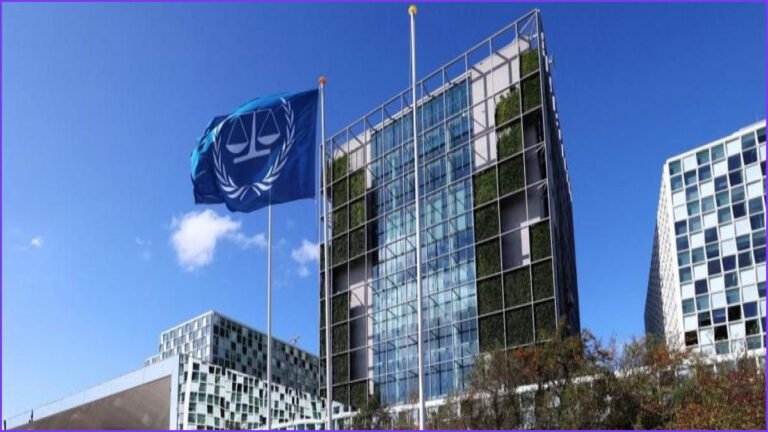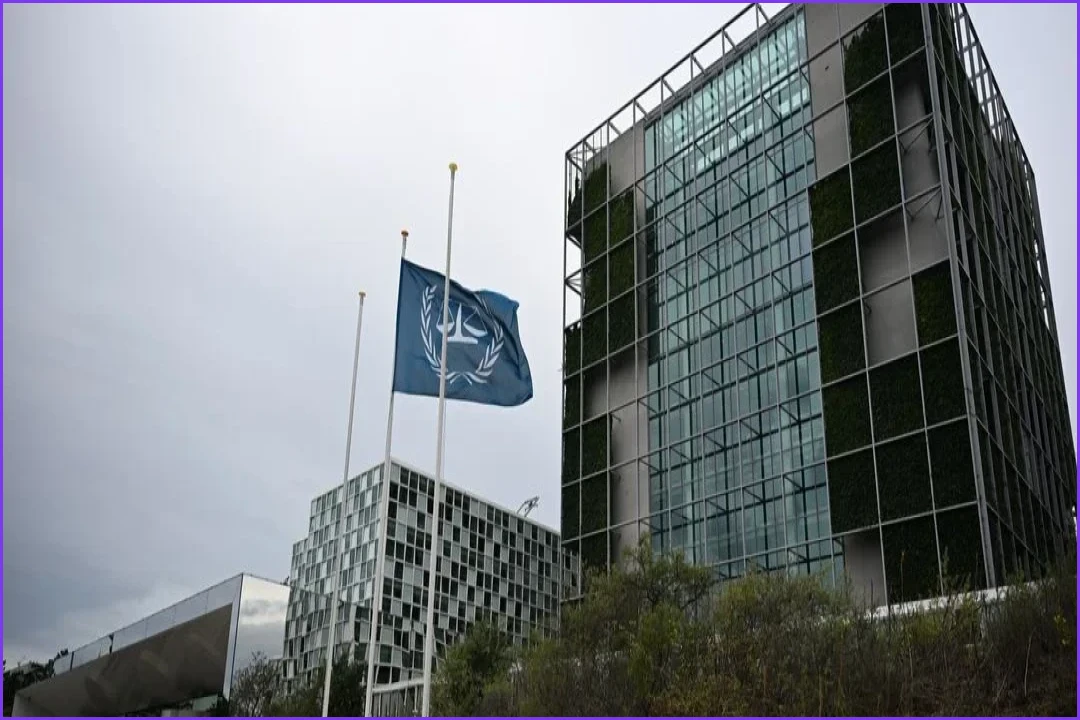
The European Union and multiple European governments have strongly condemned the United States' plan to impose sanctions on the International Criminal Court (ICC), describing the move as a major threat to international justice and the rule of law.
The diplomatic backlash was triggered by US Secretary of State Marco Rubio's announcement of impending sanctions against the court. Rubio declared that President Donald Trump would not permit the ICC to prosecute American citizens, threatening to "end the ICC" if it did not halt its actions, which he characterized as "threats."
In response, the European Commission issued a statement calling the US announcement "deeply regrettable" and reaffirming its long-standing support for the court. The EU pledged to work closely with the court to ensure its continued operational effectiveness. Additionally, the bloc plans to cooperate with all 125 states party to the Rome Statute—the ICC's founding treaty—to safeguard the institution's independence. However, the EU also noted that because the planned sanctions are not scheduled to take effect for another six months, there remains an opportunity for diplomatic dialogue with Washington.
The ICC itself firmly rejected the US measures. Court President Tomoko Akane stated that the institution would continue its work "with independence and impartiality," while the court officially described the sanctions as an attempt to obstruct justice and an "assault on the rule of law."
European Council President Antonio Costa emphasized that lasting peace requires accountability and that international justice must be defended. Costa stated that the EU is prepared to take political, diplomatic, financial, and practical measures to protect the ICC and the Rome Statute system.
Individual European nations joined the chorus of condemnation. Danish Foreign Minister Lars Lokke Rasmussen expressed profound disagreement with the US decision via a post on X, warning that the sanctions would have "enormous consequences" for the court's investigations into the most serious international crimes. He confirmed Denmark's "unwavering support" for the institution.
Swedish Foreign Minister Maria Malmer Stenergard also expressed regret over the US decision, emphasizing that Sweden and the EU stand firmly behind the court's role in securing justice for victims. She noted that multilateralism and institutions for ensuring accountability are more critical than ever during times of ongoing violations of international law.
Austrian Foreign Minister Beate Meinl-Reisinger condemned the sanctions "in the strongest possible terms," describing them as "another stage of escalation" that calls into question the sovereignty of the states that established the court. She emphasized that small states like Austria rely on the universal application of international law, regardless of a country's size or power.
Portugal argued that the sanctions undermine the independent exercise of international justice and efforts to combat impunity for serious crimes, stating that legal institutions must fulfill their mandates free from external pressure.
Meanwhile, Belgium advocated for activating the EU Blocking Statute to protect the court and its supporters from the impact of US measures. Switzerland declared its opposition to any "sanctions, threats or other measures" aimed at undermining the ICC's independence, and the Netherlands, which hosts the court, labeled the sanctions an "undesirable new escalation" while pledging its ongoing support.