Groundwater levels across France remain critically low and are continuing to deteriorate, with 81% of monitoring points showing falling levels, while only 7% have begun to rise. This concerning situation follows an exceptional summer drought, delaying the natural autumn recharge of underground reserves.
Normally, after their natural decline during spring and summer, autumn rains would begin to infiltrate the ground and replenish these vital underground water sources. However, this year, the recharge process has been exceptionally slow to commence.
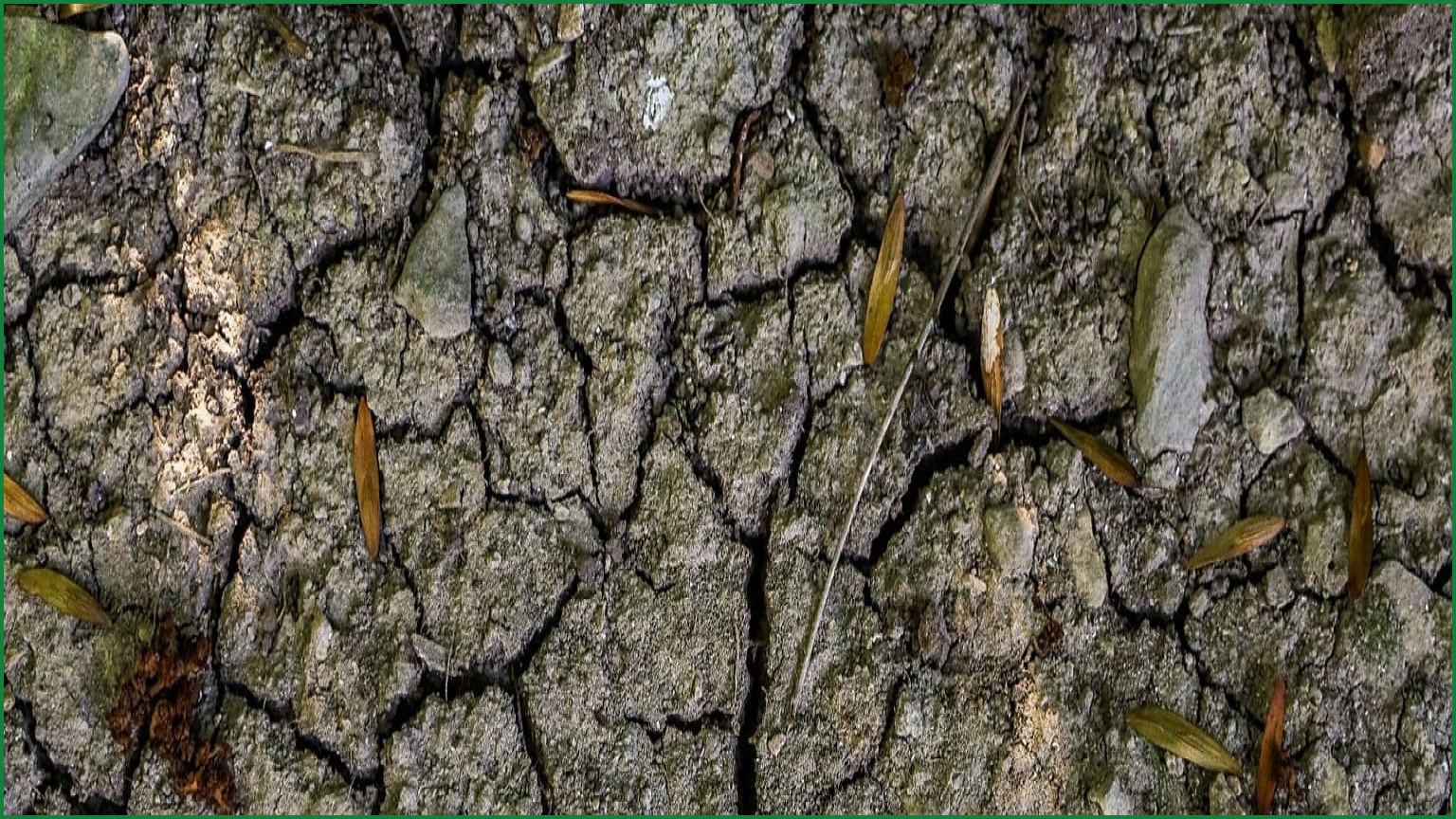
Several factors are currently impeding the infiltration of rainwater deep into the soil. Firstly, the prolonged hot and dry summer has left soils parched, meaning initial rainfall is primarily absorbed to re-moisten the surface rather than feeding deeper underground reserves. Secondly, evapotranspiration, driven by warmth and vegetation, causes a significant portion of rainwater to evaporate or be absorbed by plants before it can reach the deeper layers. Lastly, an accumulated deficit from light rainfall and high temperatures at the start of the autumn season has delayed the onset of the recharge period, which typically begins around this time.
The current state of France's aquifers is notably worse than a year ago. On October 1, 2025, only 31% of monitoring points were recorded as being below normal levels. Today, that figure has more than doubled to 66%. The French geological survey, BRGM, has stated that the 2026 situation is "as worrying as in 2022," despite the specific aquifers affected not being identical. In 2022, an exceptional drought, coupled with scarce rainfall and heavy abstraction, led to an exceptionally severe low-water situation across much of the country.
This year, the problem extends to "inertial" aquifers, which are known for their slow response to changes in rainfall. These types of aquifers can take months, or even longer, to recover. While "reactive" aquifers can typically rise quickly after several rain events, almost all of these are also currently in decline.
Geographically, the situation is not uniform. Levels are particularly low in regions such as Limousin, Morvan, Livradois, Forez, Vivarais, and across the eastern parts of the country, stretching from Champagne to Lorraine, through northern Alsace, and as far as the Jura. Conversely, some aquifers in the south-east of France still exhibit more favorable levels, as indicated by BRGM mapping.
While aquifer recharge could still begin in the coming weeks, it hinges on consistent and substantial rainfall to effectively infiltrate the soil. Isolated rain episodes are unlikely to be sufficient to offset the accumulated deficit. The BRGM anticipates that the slowest-responding aquifers will likely continue to fall until the end of autumn. For other aquifers, their recovery will depend entirely on future rainfall.
In the most depleted areas, a winter with wetter-than-normal conditions may be necessary to bring groundwater levels back to near-normal. The stakes are considerable, as groundwater provides nearly two-thirds of France's drinking water and over one-third of the water utilized by its agricultural sector, which has already suffered significantly from the 2026 drought.
Seasonal forecasts from Météo-France remain uncertain, with no clear scenario yet available to predict whether autumn in France will be generally dry or wet.