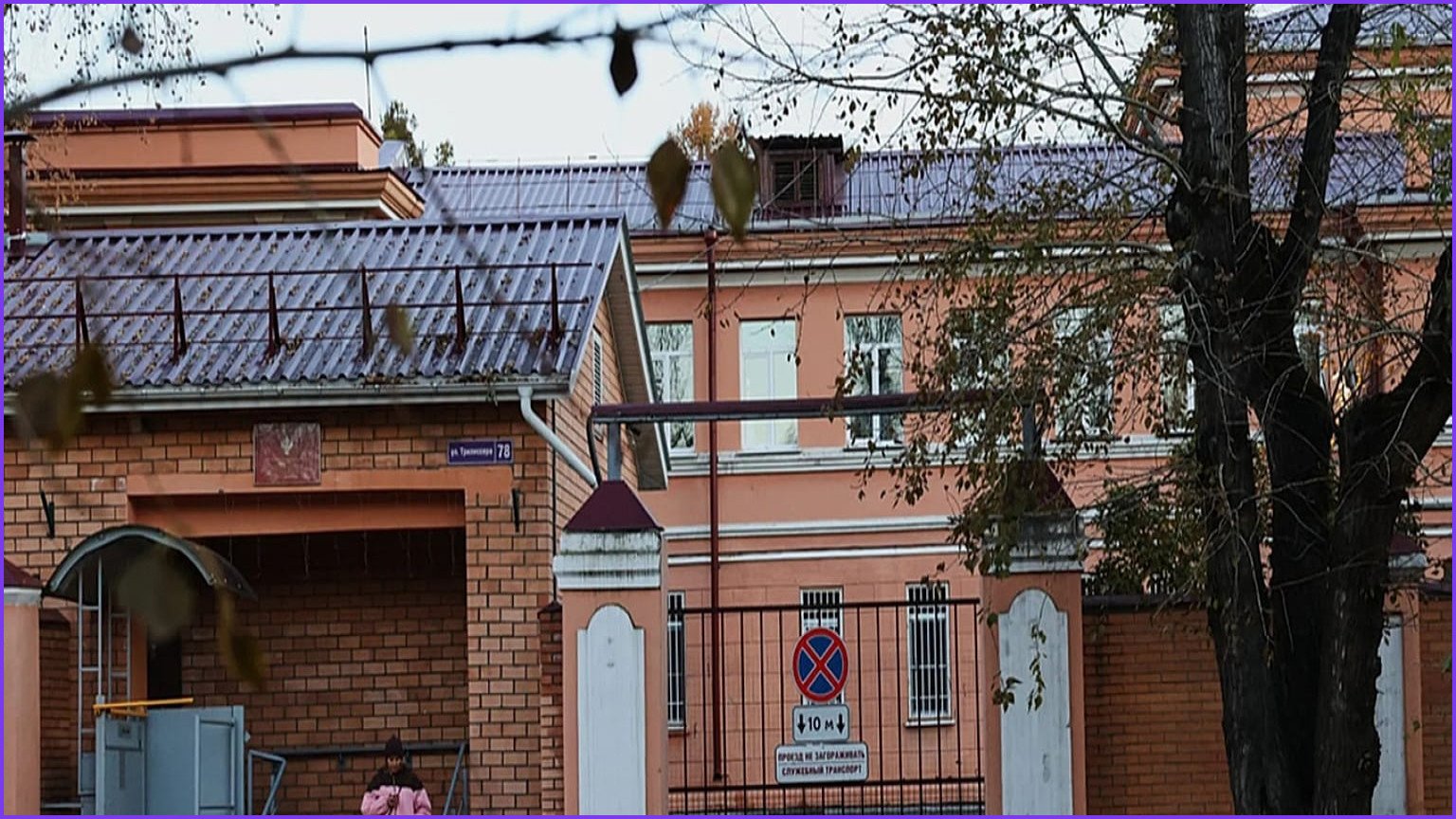
Russian authorities have formally dismissed international calls for transparency regarding the death of a 28-year-old laboratory technician from plague in Siberia. The official response comes as reports circulate regarding a potential second case of infection, a claim the Kremlin has explicitly rejected.
The deceased, identified as Darya Shipilova, was an employee of the Irkutsk Anti-Plague Research Institute. She passed away last week in the town of Shelekhov, located near Irkutsk. Rospotrebnadzor, Russia’s public health watchdog, stated on Wednesday that there is "no epidemic risk" following the incident. According to the agency, Shipilova had been "vaccinated and had immunity to the dangerous infections she was working with." Officials further noted that nearly 5,000 laboratory tests conducted since her death have failed to detect dangerous pathogens, and more than 90% of individuals who had contact with her have completed medical monitoring.
Despite these assurances, the Kremlin labeled media reports of a second suspected plague case as "false information." Spokesman Dmitry Peskov urged the public to rely exclusively on official statements from Rospotrebnadzor. Since the beginning of the week, Russian authorities have maintained that Shipilova died of pneumonia and that the specific cause of her death remains "undetermined."
International scrutiny has intensified, with US President Donald Trump scheduled to discuss the incident with Russian President Vladimir Putin on Wednesday. The US administration has reportedly sent a formal demarche to Moscow requesting additional information. While a US State Department spokesperson confirmed the request to the Wall Street Journal, Dmitry Peskov stated he had no information regarding any such communication.
World Health Organization Director-General Tedros Adhanom Ghebreyesus also called on Moscow to provide clarity regarding "media reports of a second staff member with pneumonia of unclear origin." The WHO previously indicated that the risk of the disease spreading beyond Russia's borders is "very low," citing the country's limited international contact due to the ongoing war in Ukraine and international sanctions. The organization acknowledged that the Irkutsk institute routinely studies dangerous pathogens and that plague is naturally occurring among wild animals in the region.
Pneumonic plague, the most severe form of the disease, targets the lungs and can be transmitted person-to-person through airborne droplets, with an incubation period as brief as 24 hours. While fatal without treatment, recovery chances are high if identified promptly. If confirmed, this incident would mark Russia’s first case of plague since 2016.