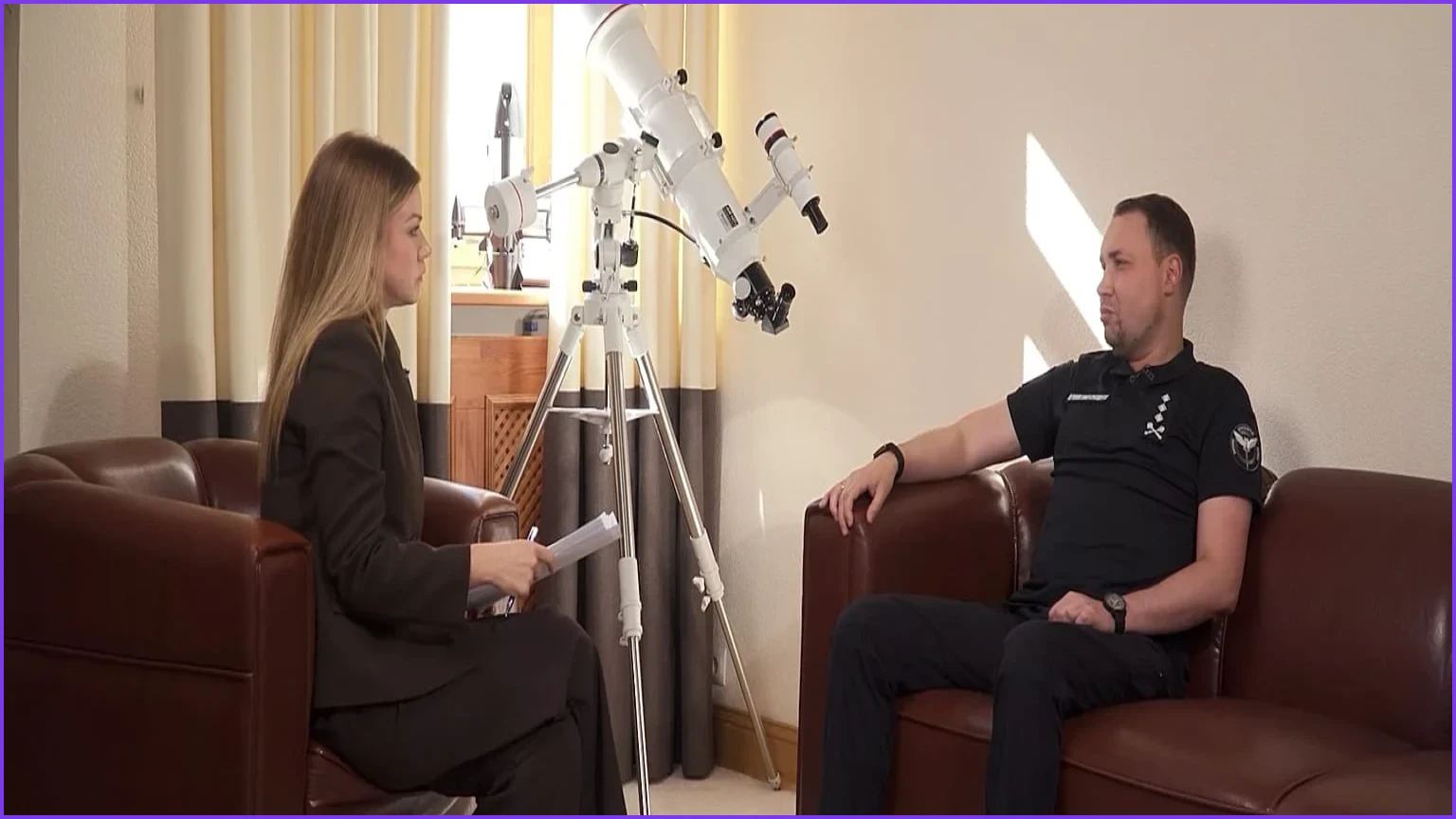
Developing a European security architecture that excludes the United States would be a highly perilous path for the continent, according to Kyrylo Budanov, the head of the Office of the President of Ukraine. Addressing the future framework of regional defense, Budanov warned that while planners must consider various structural doctrines, operating without Washington's involvement represents an exceptionally poor and hazardous option for Europe. He noted that it remains premature to outline Ukraine's exact position within this future security framework, as the broader architecture itself has not yet taken shape, though multiple parties are actively working on its design.
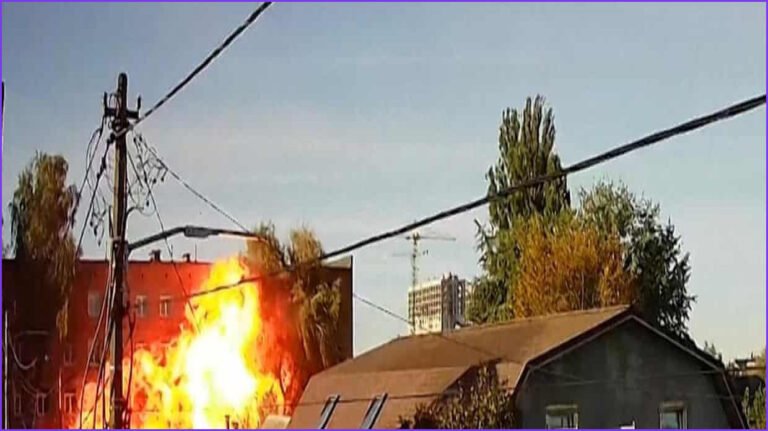
Budanov also addressed the immediate, devastating reality of the conflict on the ground, characterizing Russia’s escalating aerial bombardment campaigns as "classic terrorism." According to the presidential office head, Moscow's intensifying strikes are deliberately calculated to wear down and terrify the Ukrainian population. "Civilians are being killed – women, children, elderly people, veterans of the Second World War," Budanov stated, describing the loss of life, particularly among children, as truly terrible. He confirmed that Moscow firmly believes these relentless attacks will exhaust the civilian population and eventually force the Ukrainian government to make concessions.
However, Budanov strongly dismissed claims that Russia is adapting to the technological demands of the war faster than Ukraine, despite Moscow’s deployment of faster jet-powered drones, altered flight paths, and highly complex combined strikes. "I don’t believe that Russia, in principle, is adapting faster than we are," he asserted. Instead, Ukraine is prioritizing the rapid development and deployment of technological countermeasures to protect its citizens, which he described as the country's primary task.
Among these domestic innovations is a new generation of Ukrainian interceptor systems engineered specifically to target and neutralize Russia's high-speed, jet-powered drones. Budanov revealed that these interceptors have progressed past standard testing phases and are already being deployed in experimental combat operations. While these systems successfully intercept Russian jet-powered drones in most instances, engineering refinements are ongoing. The primary challenge now lies in scaling up the technology and transitioning to mass production. Based on his personal inspections of the development sites and production lines, Budanov expressed confidence that Ukraine will achieve the necessary manufacturing scale before the onset of the challenging winter season.
These emerging defense technologies are expected to pave the way for deeper, long-term industrial partnerships between Ukraine and European nations. Budanov explained that future military-industrial cooperation could manifest in various formats, such as joint ventures or the establishment of manufacturing facilities abroad staffed by Ukrainian engineers under shared ownership structures. This external production would make strategic sense under favorable conditions, provided Ukraine remains the primary customer. However, he maintained that certain critical, highly sensitive technologies must remain strictly within Ukrainian borders. Furthermore, domestic needs will strictly take precedence, with Ukraine only exporting these defense products once its own national security requirements are fully satisfied.
When evaluating what Ukraine can offer to European defense alliances that partners cannot quickly replicate, Budanov highlighted two key strengths: the unmatched speed of implementing technological innovations and the rapid capability to scale up to mass production. Currently, Ukrainian defense exports remain tightly restricted due to ongoing wartime demands. Budanov emphasized that Ukraine will eventually establish strict, transparent, and universally understood guidelines for military-technical cooperation and arms exports, noting that civilized nations do not distribute weapons indiscriminately.
On the economic front, Budanov outlined how Ukraine plans to navigate its immediate financial challenges. He indicated that the majority of Kyiv's current funding requirements are on track to be met, pointing to active negotiations with the International Monetary Fund (IMF) and the European Commission. He explained that Ukraine's financial needs are dynamic and shift alongside the evolution of the war, balancing out as different sectors require more or less funding depending on the intensity of Russian missile and drone strikes.
Looking toward the post-war era, Budanov expressed a strong preference for a liberal, free-market economy characterized by minimal government intervention, stable and predictable taxation, and internal social stability. However, he emphasized that immediate survival remains the absolute priority. "But right now, we have to survive," Budanov said. "That is our main task – to survive here and now." When asked to define what long-term national success would look like in terms of economic recovery, foreign investment, and the return of displaced citizens, Budanov concluded with a simple aspiration: achieving "a place in the world rankings that is not the one we have now."