MONTEVIDEO, Uruguay — The Peruvian government has faced the final day of a landmark hearing before the Inter-American Court of Human Rights over allegations that it failed to protect isolated Amazonian Indigenous communities from encroaching logging and extractive operations. The two-day proceedings in Montevideo, Uruguay, represent the first time the regional tribunal has evaluated a case specifically concerning isolated Indigenous populations in Peru.
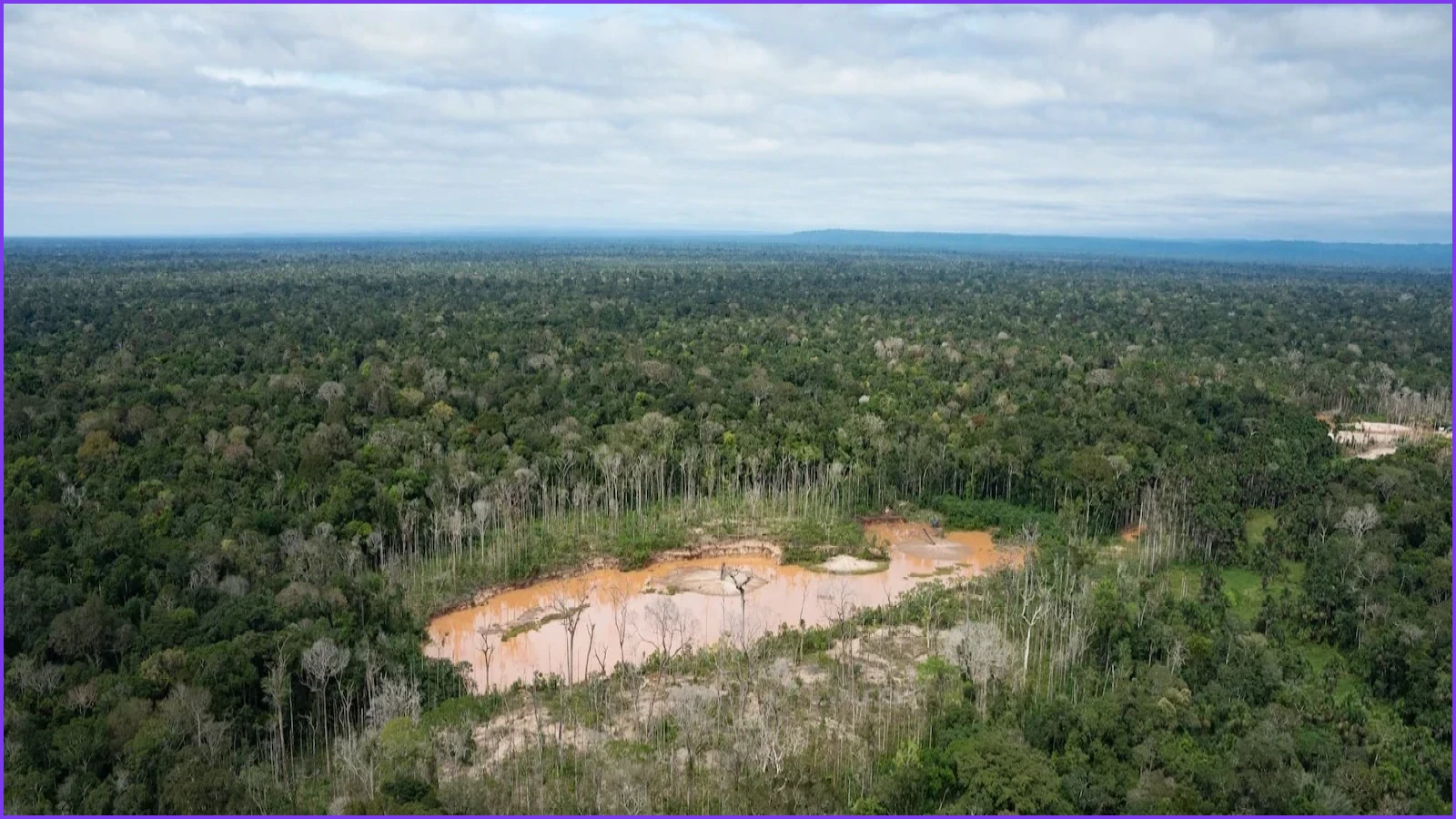
The legal battle centers on the survival of the Mashco Piro, Yora, and Amahuaca peoples, who inhabit remote regions of the Peruvian Amazon. According to Indigenous organizations, logging concessions and other outside incursions have driven outsiders deeper into the ancestral forests. This encroachment increases the risk of violent clashes and exposes isolated populations to common diseases against which they have no natural immunity.
During the hearing, Maglin Alvarado Vargas, a leader of the Yine Indigenous people from the Native Community of Monte Salvado, delivered an emotional plea to the judges. "Many of our brothers and sisters have already disappeared, and we don’t want the Mashco Piro to suffer the same fate," Alvarado Vargas said. "It is in your hands whether they can survive."
While the Peruvian government did not immediately respond to requests for comment regarding the proceedings, its legal representatives argued before the court that the state has established robust frameworks to protect these populations. Peru pointed to its existing laws, protocols, and monitoring systems designed to safeguard isolated groups.
However, advocates argue these measures exist only on paper. Julio Cusurichi, representing the Native Federation of the Madre de Dios River and Tributaries (FENAMAD), testified that the government's protective measures are not being implemented in practice. "The government is not taking action to safeguard the rights of these peoples," Cusurichi warned, adding that continued territorial incursions directly threaten their survival.
The legal dispute has been building for decades. FENAMAD first raised alarms about logging in Mashco Piro territory during the 1990s. In 2005, the federation sought emergency intervention from the Inter-American Commission on Human Rights, which granted protective measures in 2007. FENAMAD filed a formal petition with the commission in 2011. By 2022, the commission ruled that Peru was responsible for violating the rights of the Mashco Piro, Yora, and Amahuaca peoples. The case was referred to the Inter-American Court of Human Rights in 2024 after the commission concluded that Peru had failed to comply with its recommendations.
Teresa Mayo of Survival International, an advocacy group supporting the litigation, emphasized the global significance of the trial. "This is a historic hearing," Mayo said, explaining that the allied organizations are asking the court to hold Peru accountable and mandate stronger territorial protections so the Mashco Piro can "remain uncontacted, with their land fully protected."
A key point of contention is whether governments can legally permit extractive industries within territories reserved for isolated groups. Maritza Quispe, an attorney with Peru's Legal Defense Institute representing the Indigenous plaintiffs, noted that the court's decision could set a major legal precedent regarding the ancestral land rights of isolated peoples and the limits of state-sanctioned resource extraction.
Quispe explained that while Peruvian law generally prohibits outside activity in reserves set aside for isolated tribes, it contains a controversial loophole. This exception allows the state to exploit natural resources within these reserves if authorities declare a "public necessity." Another attorney representing the Indigenous groups told the court that Peru has "flagrantly violated" core protection principles, which mandate avoiding contact and keeping these territories entirely free from external commercial activities.
According to Indigenous groups, the Mashco Piro population exceeds 750 individuals, living across southeastern Peru and neighboring Brazil. Contact with outsiders has already resulted in fatalities. In 2024, two loggers were killed in bow-and-arrow attacks after entering Mashco Piro territory, and subsequent sightings have shown tribe members in close proximity to active logging zones. Beyond physical violence, contact poses an existential threat due to the tribes' lack of immunity; exposure to basic illnesses like the common cold or flu can prove fatal.
The court has instructed all parties to submit their final written arguments by October 26. Following that deadline, the tribunal will deliberate and issue its final judgment, though no specific date has been set for the ruling.