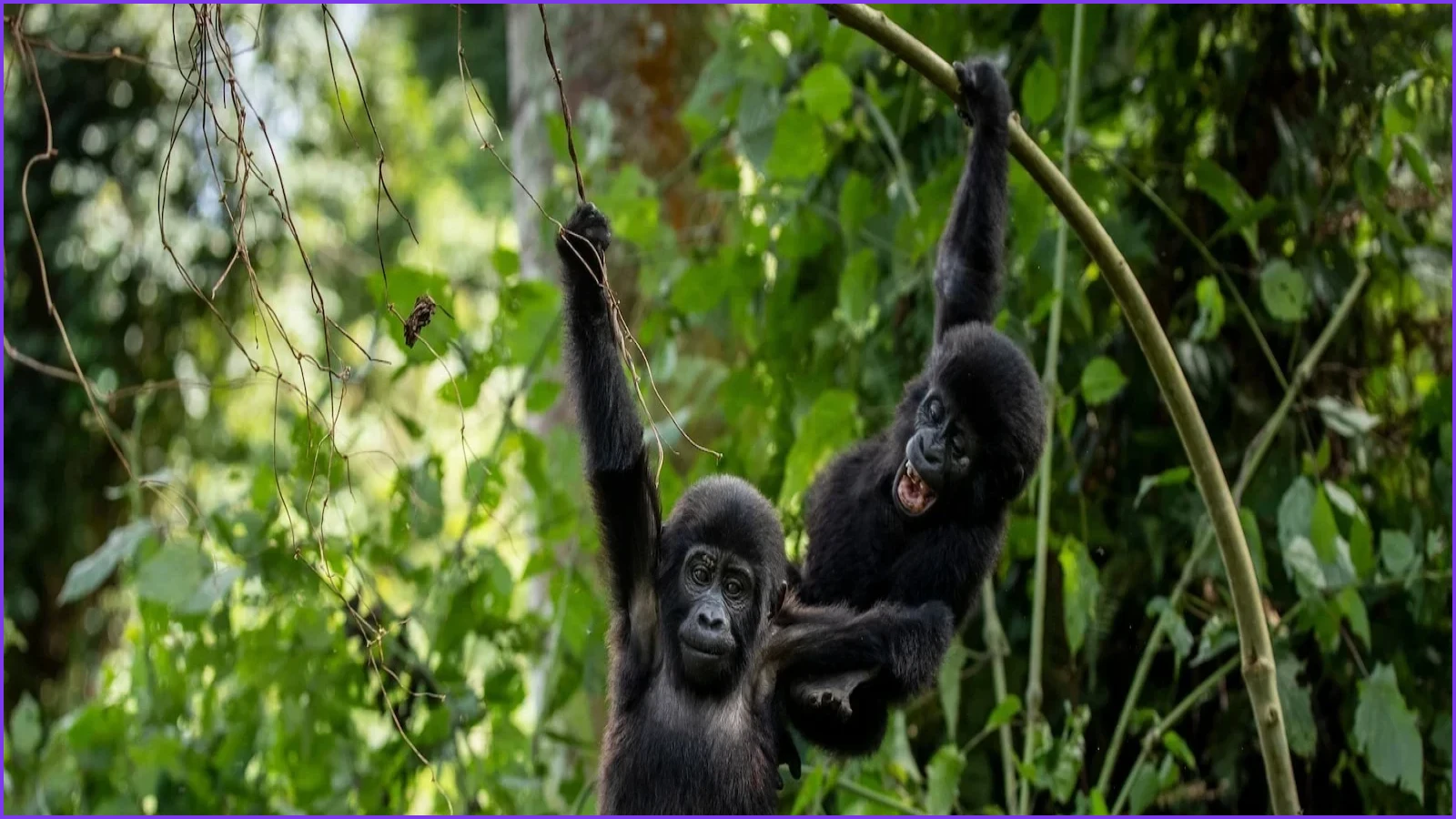
In the lush, tangled greenery of Uganda's Bwindi Impenetrable National Park, a vital conservation effort is underway to protect the future of the mountain gorilla. While the gorilla population is on the rise, their available forest home remains limited, creating a pressing need to alleviate human pressure on the park's fragile ecosystem.
To address this, residents living near the park's edge have begun planting trees that provide essential resources such as medicine, firewood, and materials for crafts. The strategy is straightforward: by ensuring these needs are met within their own communities, residents have less incentive to enter the forest to harvest resources, thereby preserving the habitat for the gorillas.
Bwindi is currently home to approximately 450 mountain gorillas, representing nearly half of the world's remaining population. According to a 2018 survey, the total global population has climbed above 1,000, a remarkable recovery for a subspecies that was once at risk of extinction. The International Union for Conservation of Nature now classifies mountain gorillas as endangered, a step up from their previous status as critically endangered.
"Being a neighbor to the park, I understand that the number of gorillas is increasing, but the forest habitat is not increasing," said Christina Katushabe, founder of Change a Life Bwindi. Her organization works to restore degraded land and improve biodiversity by supplying useful tree species. Members of the Batwa, an Indigenous community, have assisted in selecting specific trees that are valuable for timber, medicine, and fuel.
The Uganda Wildlife Authority supports these efforts by distributing tree seedlings to the public. Joseph Muhindo, an assistant tourism and hospitality officer with the authority, noted that these initiatives allow residents to gather necessary supplies "without tampering with the habitat for the gorillas."
The recovery of the gorilla population has been bolstered by tourism, as visitors trek through the forest to observe habituated families, providing jobs and revenue for the region. Eunice Owembabazi, a member of a local women's crafts group, noted that the tree planting project ensures that "we people and the gorillas do not inconvenience each other."
This conservation initiative has also extended to local schools, allowing students to plant trees for their families' future use. Davis Musinguzi, a student at Ruhijja Seed Secondary School, emphasized the importance of the work, stating, "Now we are going to protect the forest, so that our gorillas can stay well." The tree planting activities were held in coordination with World Gorilla Day, which is observed annually on September 24.