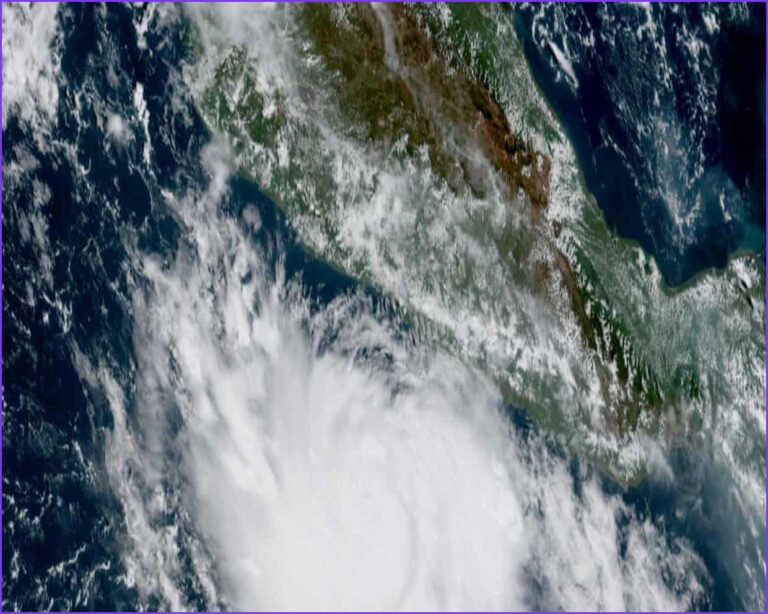
Authorities in Japan confirmed on Tuesday that at least four people have died and 22 others have been injured following the passage of Typhoon Dujuan. As the storm moved away from the coast and into the Pacific, officials warned that the death toll could increase, with six individuals still reported missing. Search and rescue operations are currently underway to locate those who have not yet been accounted for.
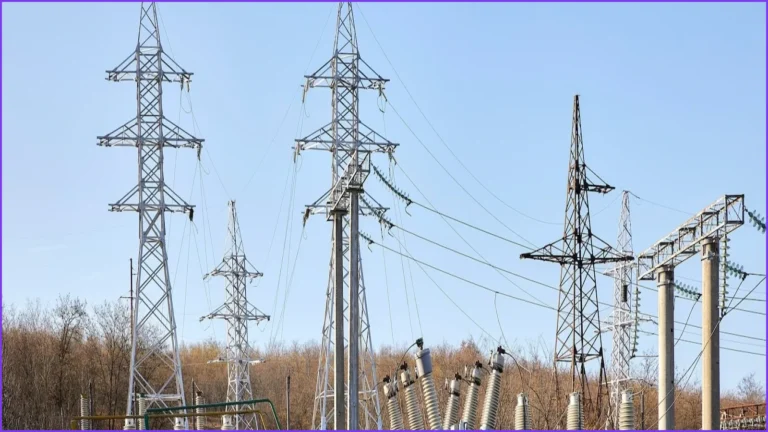
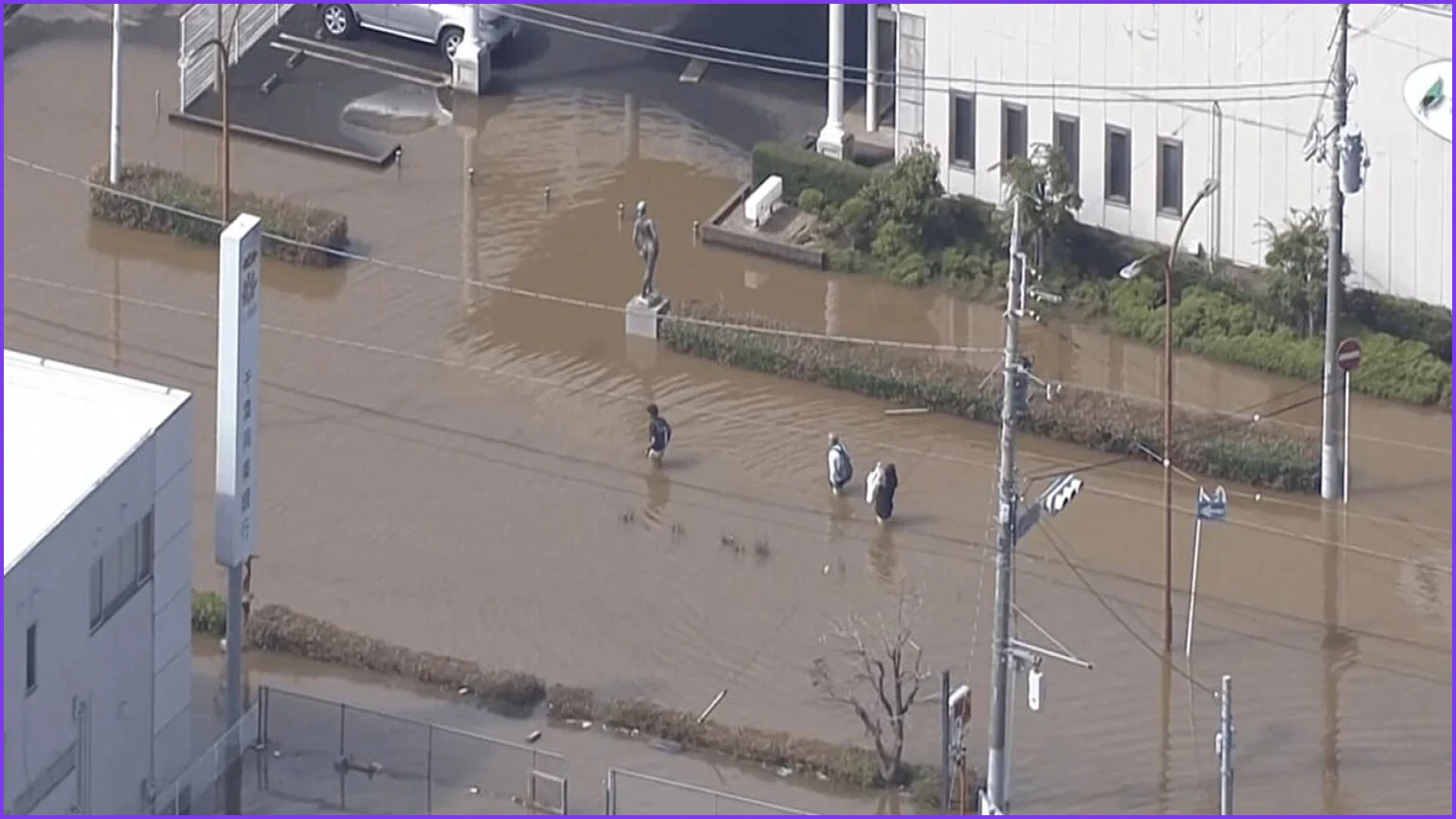
The storm caused significant disruption across the region, particularly near Tokyo. According to the Fire and Disaster Management Agency, three of the fatalities occurred in Chiba prefecture, while one death was reported in the Kanagawa region. Extensive flooding submerged entire areas, bringing critical infrastructure, major roads, and public transportation networks to a standstill. By Tuesday afternoon, more than 45,000 households in Chiba remained without electricity, and over 460 houses were reported to have sustained varying degrees of damage.
Although the typhoon weakened as it tracked toward the northeast, it brought record-breaking rainfall to areas surrounding the capital. Oshima, an island located approximately 120 kilometres south of central Tokyo, recorded 832 millimetres of rain over a 48-hour period, a figure more than double its average for the entire month of September. Similarly, Tokyo's Edogawa Ward saw a record 282.5 millimetres of rainfall in a 24-hour window. These extreme conditions led officials to lift or downgrade most landslide and heavy rain warnings as the weather system exited the region.
The impact of the storm extended to major events, forcing the early closure of a significant video game trade fair in Tokyo. Japan frequently experiences powerful typhoons during the late summer and early autumn, and this season has already seen other storms disrupt activities, including events at the Asian Games. Scientists have noted that human-driven climate change is increasing the risks associated with heavy rainfall, as a warmer atmosphere is capable of holding more water.