Sweden’s left-wing opposition appears on track to topple the ruling Tidö government, following the release of initial election exit polls. The data suggests a shift in the political landscape, with the far-right Sweden Democrats also experiencing a decline in support.
According to the SVT Valu exit poll, which gathered insights from 13,709 voters outside polling stations, the four left-wing parties are projected to secure 51.3 percent of the vote. In contrast, the right-wing bloc is trailing with 46.8 percent, representing a 4.5 percentage point advantage for the opposition. A separate exit poll from TV4 confirms this trend, estimating a slightly smaller lead of 4.3 points for the left-wing bloc.
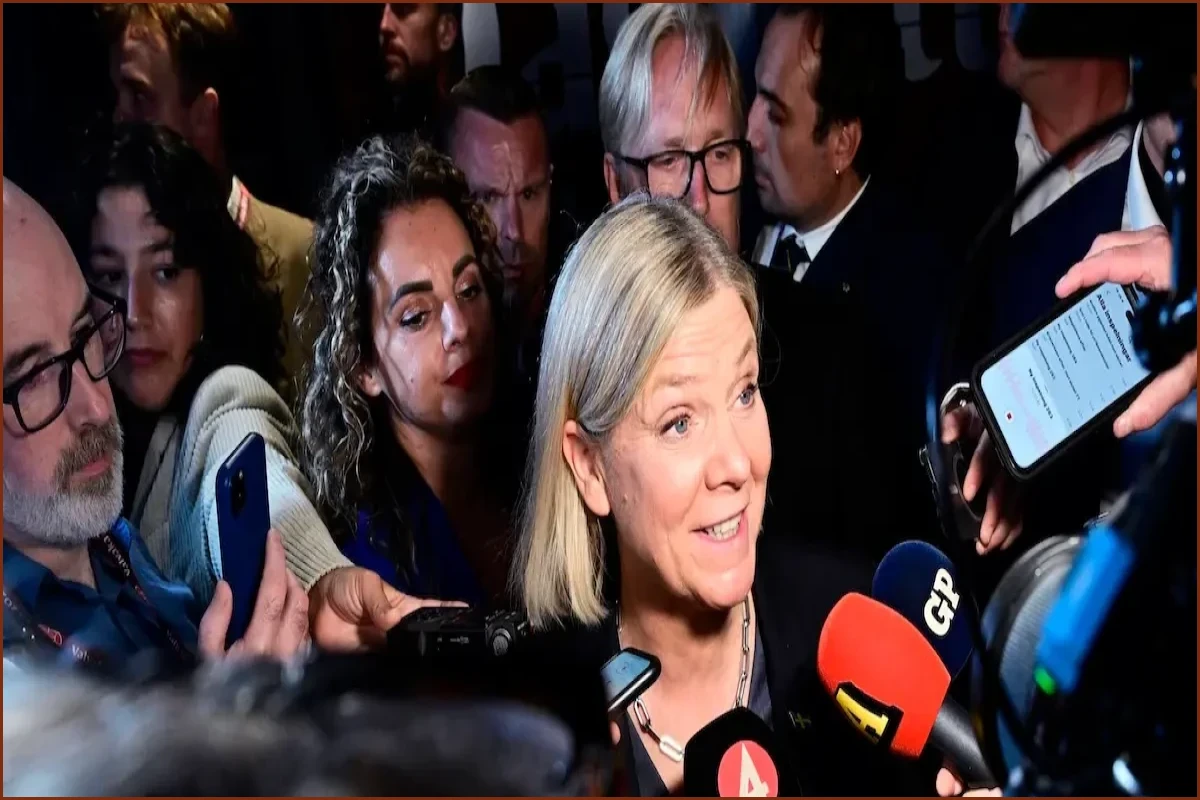
If these projections hold, the outcome would represent a significant victory for Social Democrat leader Magdalena Andersson, who made history as Sweden’s first female prime minister in 2021. Conversely, the results appear to be a major disappointment for the Sweden Democrats and provide a much-needed reprieve for the Liberal Party, which had previously struggled to reach the 4 percent parliamentary threshold but now sits at 5.4 percent in the exit poll.
Tommy Möller, a professor of politics at Stockholm University, remarked to TT that the election result seems largely settled. He noted a clear distinction between the two government alternatives and suggested that, compared to earlier polling, the outcome is effectively "done and dusted." Alice Bah Kuhnke, an MEP for the Green Party, was the first high-ranking politician to declare victory, stating that the Swedish public had sent a clear message of exhaustion with the current Tidö administration.
Despite the projected success, Social Democrat leader Andersson faces a challenging path to forming a government. She must reconcile the competing demands of the Left Party and the Centre Party, or secure alternative support, setting the stage for complex negotiations. The Social Democrats were projected to receive 28.4 percent of the vote—only a tenth of a point higher than their 2018 performance, which was the party's poorest showing in over a century.
The Sweden Democrats are projected to receive 17.2 percent of the vote, a 3-point decline from 2022. This marks the first time the party has lost ground since entering parliament in 2010, potentially delaying leader Jimmie Åkesson’s goal of securing ministerial control over key policy areas. Meanwhile, the Moderate Party, at 18.1 percent, remains the largest party on the right, though it also saw a one-point drop from 2022.
Throughout the campaign, Andersson focused on promises of subsidized dental care and improved sick leave, even as she shifted her party toward more hardline stances on immigration and crime. Prime Minister Ulf Kristersson had campaigned on a platform of tax cuts and reduced daycare fees to support average families.