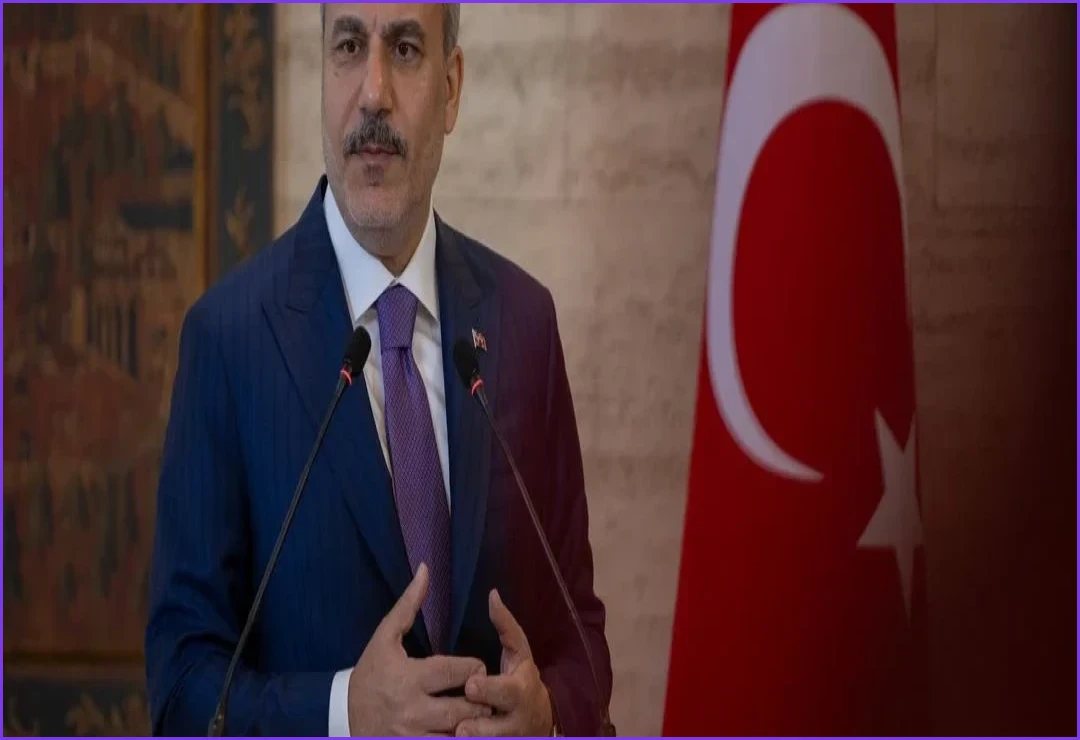
Turkish Foreign Minister Hakan Fidan stated on Sunday that integrating all of Syria's armed groups into a centralized state structure is crucial for reinforcing the nation's sovereignty, territorial integrity, and social cohesion. Speaking at a joint press conference in Damascus alongside his Syrian counterpart, Asaad Hassan al Shaibani, Fidan emphasized that relations between Türkiye and Syria have experienced significant momentum over the last two years.
According to Fidan, Syria has embarked on a fresh start in its relations with Türkiye and the international community following the collapse of the Bashar al Assad regime. He maintained that this new chapter is already contributing to regional stability, economic progress, and the collective fight against terrorism.
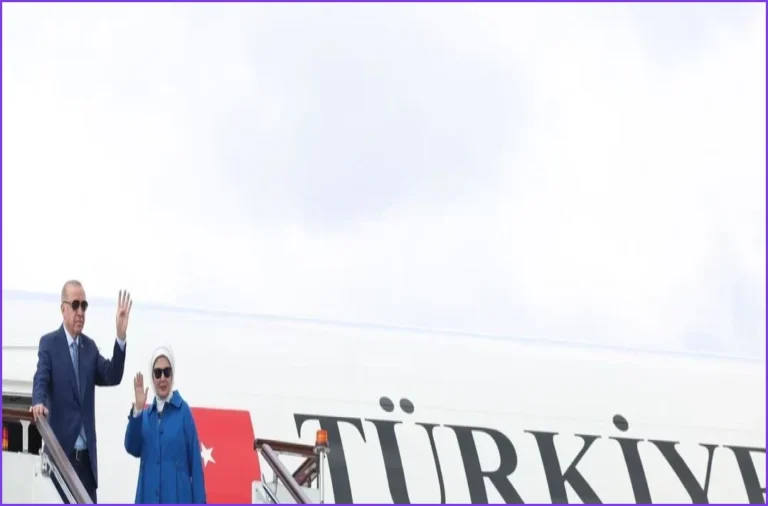
During their discussions, the ministers reviewed preparations for an upcoming visit to Syria by Turkish President Recep Tayyip Erdogan. Fidan revealed that President Erdogan and Syrian President Ahmed al Sharaa had previously met on the sidelines of the NATO summit in Ankara, where they directed officials to set up a joint planning group to address and advance bilateral matters.
Fidan specifically commented on the YPG-dominated SDF, describing its steps toward self-dissolution and integration into Syrian state institutions as an "important initiative" and a constructive reaction to the Syrian government's outreach. While calling the declaration stage a significant milestone, Fidan stressed the necessity of swift execution, stating that Türkiye hopes to see these commitments translated into practice on the ground without wasting time.
The Turkish Foreign Minister noted that this integration effort extends beyond the SDF, as other armed factions remaining from the years of conflict are also being consolidated under a single national army. He explained that this process is vital for restoring national stability, drawing foreign investments, strengthening Syria's national structure, and ensuring safety for all citizens. Fidan also underscored the principle of equal citizenship, asserting that Syrians must be allowed to live freely without facing persecution or discrimination based on their ethnic identity or religious faith. He added that Türkiye's perspective is aligned with ensuring that Kurdish citizens feel safer, freer, and more prosperous than in the past.
On the economic front, Fidan highlighted positive signs of Syria's reintegration into the global arena, pointing to the United States' decision to delist Syria as a state sponsor of terrorism and the International Atomic Energy Agency's closure of Syria's nuclear file. Recalling a visit to Damascus and Aleppo in August by Turkish Trade Minister Omer Bolat and a business delegation, Fidan announced that both countries are targeting a bilateral trade volume of $10 billion in the medium term alongside increased mutual investments.
Furthermore, Fidan outlined Syria's strategic potential to serve as a regional transit hub, connecting Europe with the Gulf through Jordan, Saudi Arabia, Iraq, and Türkiye. He disclosed that Türkiye, Saudi Arabia, and Syria are currently collaborating on a railway infrastructure project designed to link the Gulf directly to Europe. Fidan concluded by noting that Turkish businesses, particularly those in the textile and industrial sectors, are demonstrating strong interest in pursuing investment opportunities in Syria.