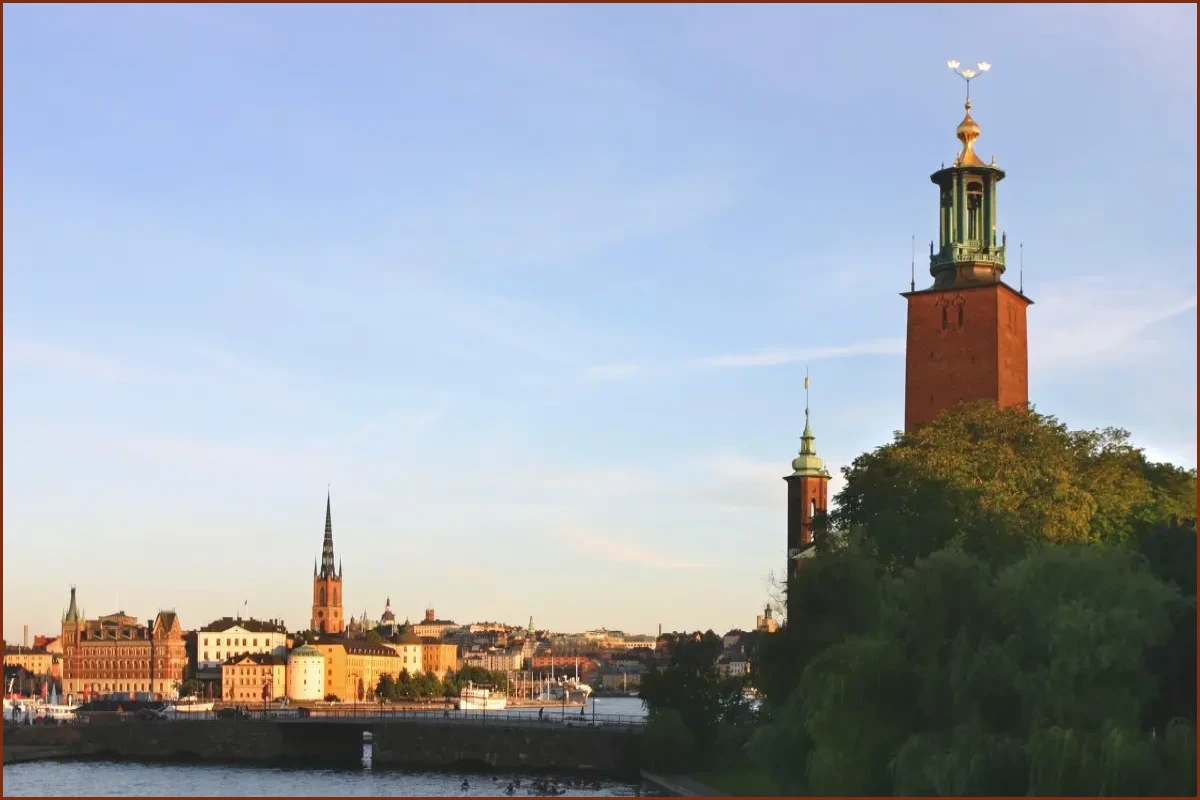
Stockholm is gearing up for crucial municipal and regional elections on September 13th, running alongside Sweden's national polls. While national politics often dominate the headlines, the local contests in the capital will directly shape daily life, focusing on housing, healthcare, public transport, crime, and taxes. The election also carries significant political weight as parties clash over the potential influence of the far-right Sweden Democrats in local government.
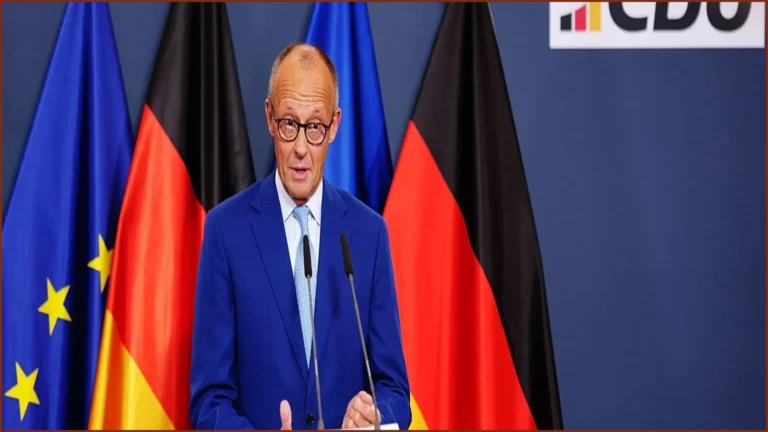
A major shift in Stockholm's political landscape occurred on August 21st, 2026, when Christofer Fjellner, the group leader for the Moderate Party, announced that his party no longer holds any "red lines" against the Sweden Democrats regarding coalition-building. This reversed the Moderates' previous stance in Stockholm, though Fjellner maintained that there are currently no active plans to cooperate with the far-right group. The Social Democrats have seized on this shift, making the prospect of a Sweden Democrats-backed government a central pillar of their campaign. Emilia Bjuggren, the Social Democrats' vice mayor for schools, warned that the right-wing parties are mirroring their national-level alliances in the capital. She also cautioned against the Sweden Democrats' platform, highlighting their pledge to demolish Radiohuset, the headquarters of public broadcasters SVT and SR, which she labeled as an attack on free journalism.
Crime and gang recruitment are major issues at the municipal level. The Moderates have focused heavily on security, pointing to "express kidnappings" in the Kista district, where tech offices sit adjacent to high-immigration suburbs. Fjellner, alongside Sweden's aid and trade minister Benjamin Dousa, highlighted past security issues in Kista, including 2017 incidents where Ericsson employees were targeted for their credit cards. The Moderates have pledged to halve safety issues in Stockholm by deploying more security guards, increasing surveillance cameras, and utilizing exclusion orders. In contrast, the Social Democrats are proposing social interventions, promising to invest heavily in social services to identify at-risk youth before they are recruited into gangs. Their platform includes expanding rapid-response social units, opening municipal youth homes, and funding youth activities.
On housing, the two main parties offer vastly different visions. The Social Democrats propose closing Bromma Airport to redevelop the land into a massive residential district containing 16,000 homes. The Moderates oppose this, focusing instead on promoting the construction of 4,000 terraced houses to help families buy standalone homes. Additionally, the Moderates want to block the construction of rental apartment blocks in middle-class neighborhoods characterized by detached houses, while also limiting development on green spaces to ensure half of Stockholm consists of parks and green areas.
Education policies also highlight deep ideological divides. The Social Democrats are promising to cap elementary school class sizes at 25 pupils, hire 500 new teachers to support this initiative, and ultimately abolish free schools. The Moderates are prioritizing school discipline and choice, proposing marks for pupil behavior, reduced screen usage in classrooms, and the preservation of the existing free school choice system.
At the regional level, healthcare and public transport take center stage. The Moderates have accused the ruling Social Democrat-led coalition of cutting bus and train routes. To improve healthcare, the Moderates want to establish smaller, doctor-led clinics alongside weekend and overnight primary care centers. They have also criticized the Social Democrats' management of the Stockholm Centre for Eating Disorders since its transition from the private operator Mando. Conversely, the Social Democrats plan to reduce healthcare waiting times by hiring more staff and want to guarantee every patient a designated, named doctor at their local clinic. They also advocate for needs-based, dignified elderly care rather than stopwatch-timed services. Both parties have pledged to reduce waiting times for adult and child psychiatric care.
Tax policy remains a clear point of divergence. The Moderates are promising a tax cut of 10,000 kronor for the average family with children, achieved by slashing municipal and regional tax rates by 5,000 kronor, which would combine with a promised 5,000 kronor national tax cut. The Social Democrats oppose these cuts, arguing that tax revenues should instead be prioritized to fund welfare and education improvements.
Finally, environmental and transport strategies differ significantly. The Social Democrats aim to make Stockholm emissions-negative by 2030, utilizing carbon-free energy, publicly-managed bus lines, and free public transport for upper secondary students. The Moderates are focusing on expanding the electric vehicle fleet and charging infrastructure. They also oppose the Social Democrats' plans to implement a Clean Air Zone Class 3 in the city center, a measure previously approved by the city but blocked by the regional government in May. For public transport, the Moderates have pledged 1.6 billion kronor over four years to increase departures on the SL transit network. This exceeds the 1 billion kronor promised by the Green Party, though the Greens have questioned the credibility of the Moderates' funding promise given their extensive tax-cut proposals.