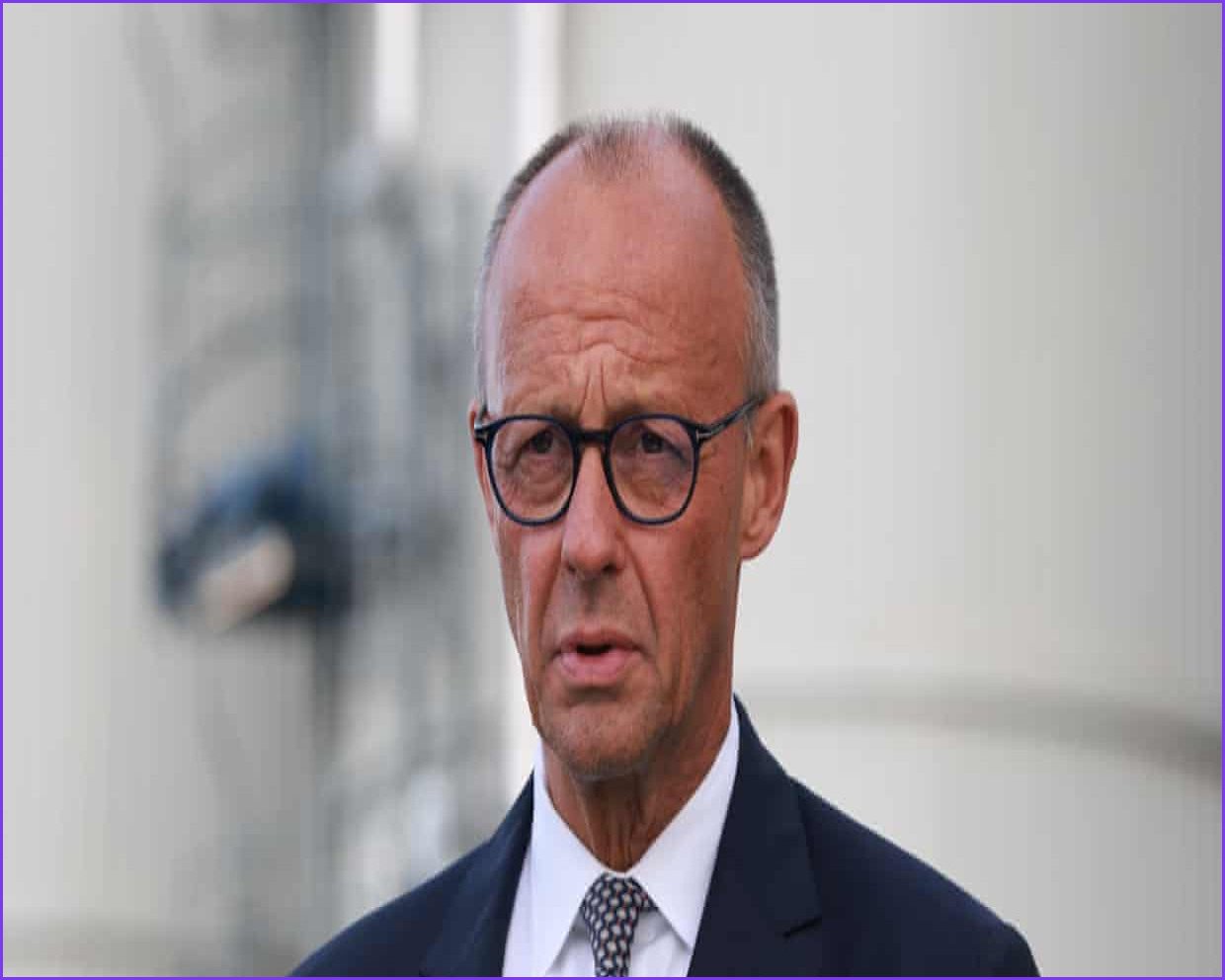
Germany is entering a pivotal election cycle this month, featuring three key state polls that threaten to alter the nation's political terrain and complicate life for the federal administration led by Chancellor Friedrich Merz. The process begins this Sunday in Saxony-Anhalt, where approximately 1.7 million voters are eligible to participate, followed by contests in Mecklenburg-Vorpommern and Berlin on September 20. In each of these elections, the far-right, anti-immigrant Alternative für Deutschland (AfD) is projected to achieve substantial gains.
Established in 2013 as an anti-euro movement before shifting toward an anti-immigration platform, the AfD has effectively capitalized on voter frustrations regarding economic stagnation, cultural shifts, and rising immigration levels. The outcome of these state elections carries national weight because state governments hold seats in the Bundesrat, the upper house of parliament, granting them significant authority over domestic security, education, and culture. For Chancellor Merz, the leader of the Christian Democratic Union (CDU), an AfD victory at the state level would represent a major setback in a term already defined by persistent challenges. Party leadership views state-level success as a critical stepping stone toward the 2029 federal elections.
While other political parties have maintained a "Brandmauer," or firewall, to prevent collusion with the AfD, this strategy would be effectively nullified should the party secure an absolute majority. The AfD’s platform includes plans to deport "irregular migrants" immediately and replace the state’s "Think Modern" slogan with "Think German." Their cultural agenda includes restricting offerings they deem anti-German and cutting funding for public broadcasters they label as "leftwing propaganda lackeys."
In schools, the party proposes replacing rainbow flags with German flags, requiring students to sing the national anthem, and segregating the children of asylum seekers into separate classes. Furthermore, they intend to legalize homeschooling, alter history curricula to minimize focus on the Nazi era, expand Russian language instruction, and eliminate programs designed to combat rightwing extremism. Their environmental policy seeks to ban windfarms, while their family policy proposes "welcome money" for parents, reduced childcare costs, and free school meals.
Regarding security, the AfD wants to reform the BfV, the domestic intelligence agency that has classified the party’s Saxony-Anhalt branch as rightwing extremist. They also aim to introduce "citizens' watch" groups to assist police in targeting leftwing extremism, a proposal critics compare to Nazi-era auxiliary police structures. The party’s local figurehead, 36-year-old former salesman Ulrich Siegmund, has gained significant popularity, often traveling by moped and drawing crowds reminiscent of a pop star.
Despite the AfD's expected success, winning an absolute majority remains complex due to German election law and the 5% threshold required for parties to enter parliament. Mainstream parties, including the CDU, Social Democrats, and Greens, have indicated they will attempt to form coalitions to exclude the AfD. While the CDU refuses to work with the AfD or the far-left Die Linke, they might eventually require support from Die Linke to form a minority government.
Ulrich Siegmund, the party’s photogenic 36-year-old poster boy, has a considerable TikTok following and has been received like a pop star by supporters wherever he goes in the state, often travelling on a moped from East Germany’s pre-unification era.
When Der Spiegel magazine recently ran a front page story calling him Germany’s most dangerous man, he gleefully signed the magazine at rallies.