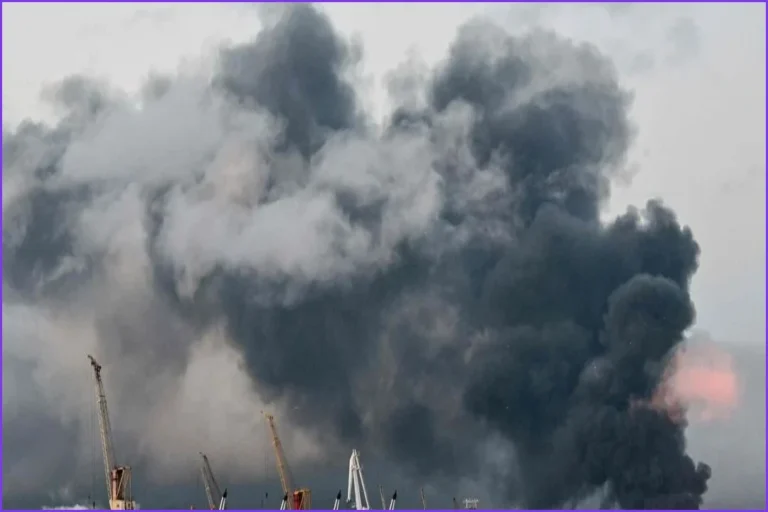
Direct military conflict between the United States and Iran has erupted anew, with both nations trading air strikes and missile launches on Tuesday, ending a month-long lull in regional hostilities. The latest flare-up triggered immediate warnings of further escalation from Washington and disrupted shipping lanes, while drawing in neighboring countries across the Middle East.
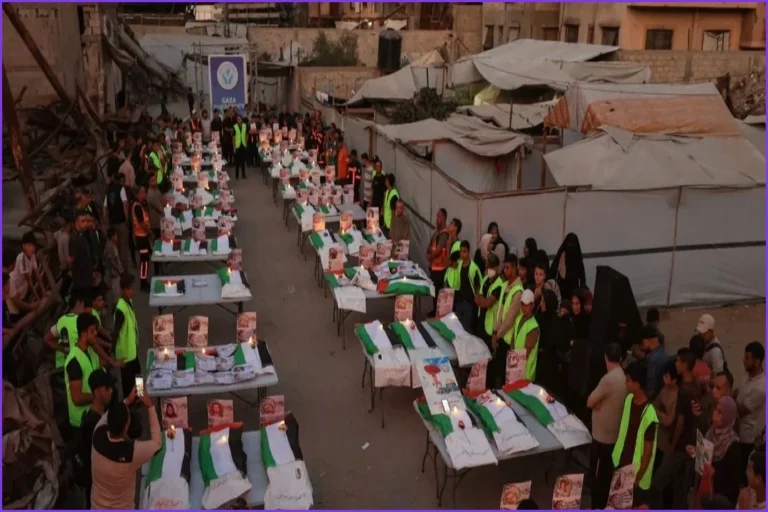
According to U.S. Central Command, American forces launched a series of strikes on Tuesday targeting Iranian air defense sites, radar systems, maritime assets and facilities, mine-laying capabilities, and communications infrastructure. Local officials reported that one of the U.S. strikes struck a home hosting a wedding, resulting in the deaths of five people and leaving dozens of others wounded.
Iran responded to the American bombardment by launching ballistic missiles and drones, according to reports from the semiofficial Fars and Tasnim news agencies, which are closely aligned with Iran’s security apparatus. The retaliatory ballistic missiles were directed at Jordan, where U.S. military personnel are currently stationed.
Prior to the retaliatory launches, U.S. President Donald Trump issued a stern warning on social media, promising severe consequences for any Iranian response. "If the failed Nation of Iran retaliates for this very justified attack, they will be hit again at a much harder and higher level, but it will not be the biggest attack of them all, that is waiting in the wings," Trump stated.
U.S. Central Command indicated that Tuesday's military action was prompted by recent Iranian attempts to target commercial shipping vessels in the critical Strait of Hormuz, as well as threats against American service members in the region. This follows an incident on Sunday when the U.S. military struck rocket launchers on Larak Island in the Strait of Hormuz. In that earlier encounter, Iran retaliated by firing missiles at U.S. installations in Jordan, which were successfully intercepted, while the United Arab Emirates reported stopping an Iranian drone over its territorial waters.
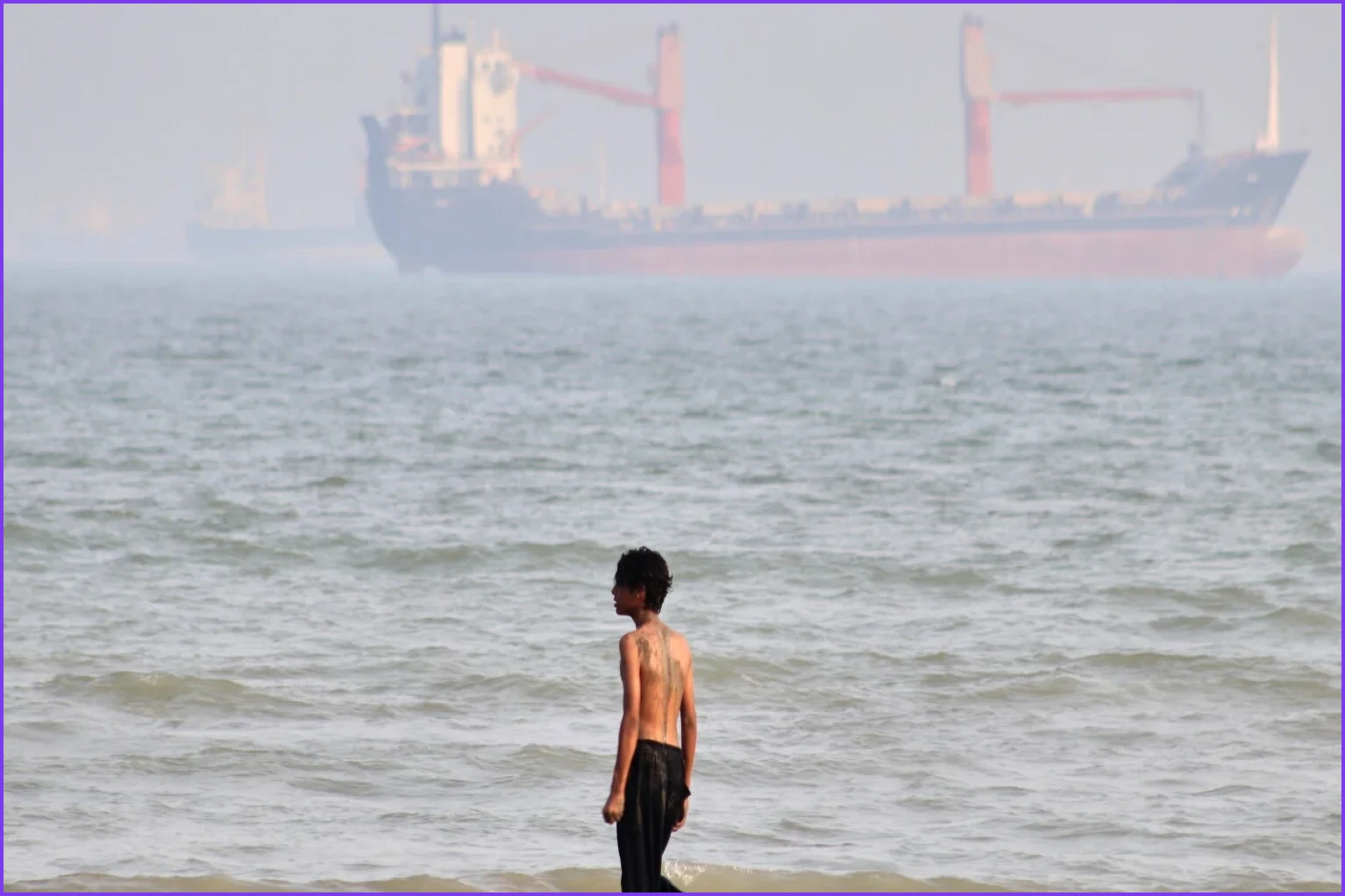
Tensions in the vital shipping corridor have remained high since February 28, 2026, when a combined U.S. and Israeli attack on Iran prompted Tehran to establish a tight chokehold on the Strait of Hormuz. During peacetime, approximately one-fifth of the world's traded oil passes through the strait. The current restrictions have severely slowed maritime traffic, roiling global energy markets and driving up prices worldwide for oil and other consumer goods.
The military escalation comes amid political friction within Iran. While Iranian President Masoud Pezeshkian has expressed support for a negotiated settlement to end the conflict, the country's powerful paramilitary Revolutionary Guard is pushing for significant concessions. These demands include recognized Iranian control over the Strait of Hormuz and financial compensation for the war, conditions that are widely considered unacceptable to officials in Washington.
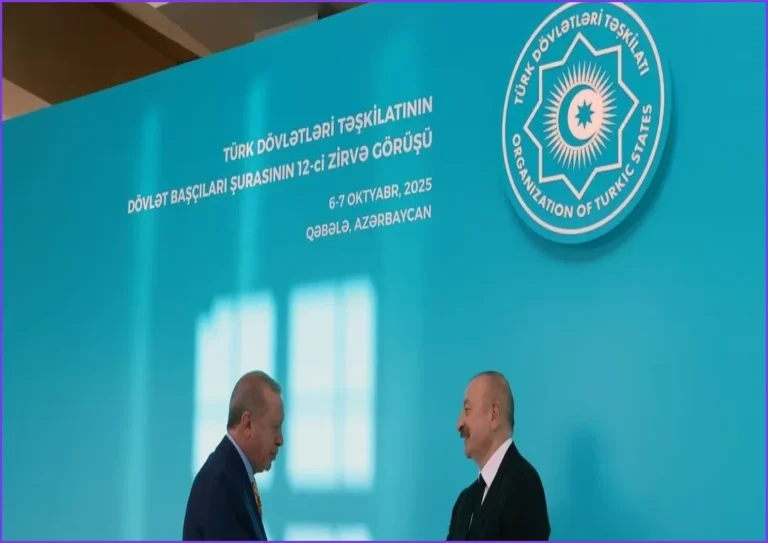
On the diplomatic front, President Pezeshkian attended a meeting of the Shanghai Cooperation Organization (SCO) Plus format in Bishkek, Kyrgyzstan, on Tuesday. He met on the sidelines with Russian President Vladimir Putin. The gathering also featured numerous world leaders, including Azerbaijani President Ilham Aliyev, Belarusian President Alexander Lukashenko, Indian Prime Minister Narendra Modi, Kazakh President Kassym-Jomart Tokayev, Chinese President Xi Jinping, Armenian Prime Minister Nikol Pashinyan, Kyrgyz President Sadyr Japarov, Mongolian President Ukhnaa Khurelsukh, Lao President Thongloun Sisoulith, Pakistani Prime Minister Shehbaz Sharif, Egyptian Deputy Prime Minister Hussein Issa, Tajik President Emomali Rahmon, Turkish President Recep Tayyip Erdogan, Uzbek President Shavkat Mirziyoyev, and United Nations Secretary-General Antonio Guterres, alongside regional security officials.
In response to the renewed hostilities, the U.S. State Department issued a regionwide travel warning for the Middle East. "Due to tensions in the Middle East, the security environment remains complex with the potential for unforeseen escalation," the department announced, advising American citizens to maintain heightened vigilance and prepare for potential travel disruptions.
Efforts to resolve the shipping crisis remain stalled. Iran has been collaborating with Oman on a framework to manage maritime traffic through the Strait of Hormuz, though it remains uncertain if the proposal will satisfy U.S. demands. Other Gulf states have repeatedly called for an unconditional reopening of the shipping lane. On Tuesday, Saudi Crown Prince Mohammed bin Salman met with Oman's Sultan Haitham bin Tariq to discuss regional security and stability, though official readouts did not explicitly mention the strait.
Meanwhile, a confidential report from the United Nations nuclear watchdog, circulated to member states on Tuesday, revealed that inspectors have been unable to access Iranian nuclear facilities affected by the 12-day war in June 2025. Consequently, the International Atomic Energy Agency stated it "cannot provide any information on the current size, composition or whereabouts of the stockpile of enriched uranium in Iran."
The regional instability was further highlighted by significant developments in Gaza and Yemen. In Gaza City, Israeli special forces conducted a raid on Tuesday, detaining a senior Hamas security official. Hospital officials reported that the operation killed at least four people, including two children, one of whom was identified as 14-year-old Abdullah Hamouda. Israeli Prime Minister Benjamin Netanyahu confirmed the detention of the unnamed figure, describing him as "one of the most senior Hamas leaders" who was actively working to restore Hamas governance in the territory.
In Yemen, state security forces announced the death of Islamic State spokesperson Abu Huzayfah al-Ansari. He was killed during a dawn raid on Tuesday at a residence in Seiyun, located in the Hadramout province. The operation was carried out jointly by Saudi-backed Yemeni government forces and counterterrorism units. A U.S. official speaking on the condition of anonymity confirmed that there was no American military involvement in the mission.
Additionally, the British military’s United Kingdom Maritime Trade Operations (UKMTO) reported two separate maritime incidents on Monday. In one event, a commercial tanker was struck by three projectiles east of Oman while exiting the Persian Gulf through the Strait of Hormuz. A second incident involved a tanker and military forces off the coast of Oman. No group has claimed responsibility for these shipping attacks.