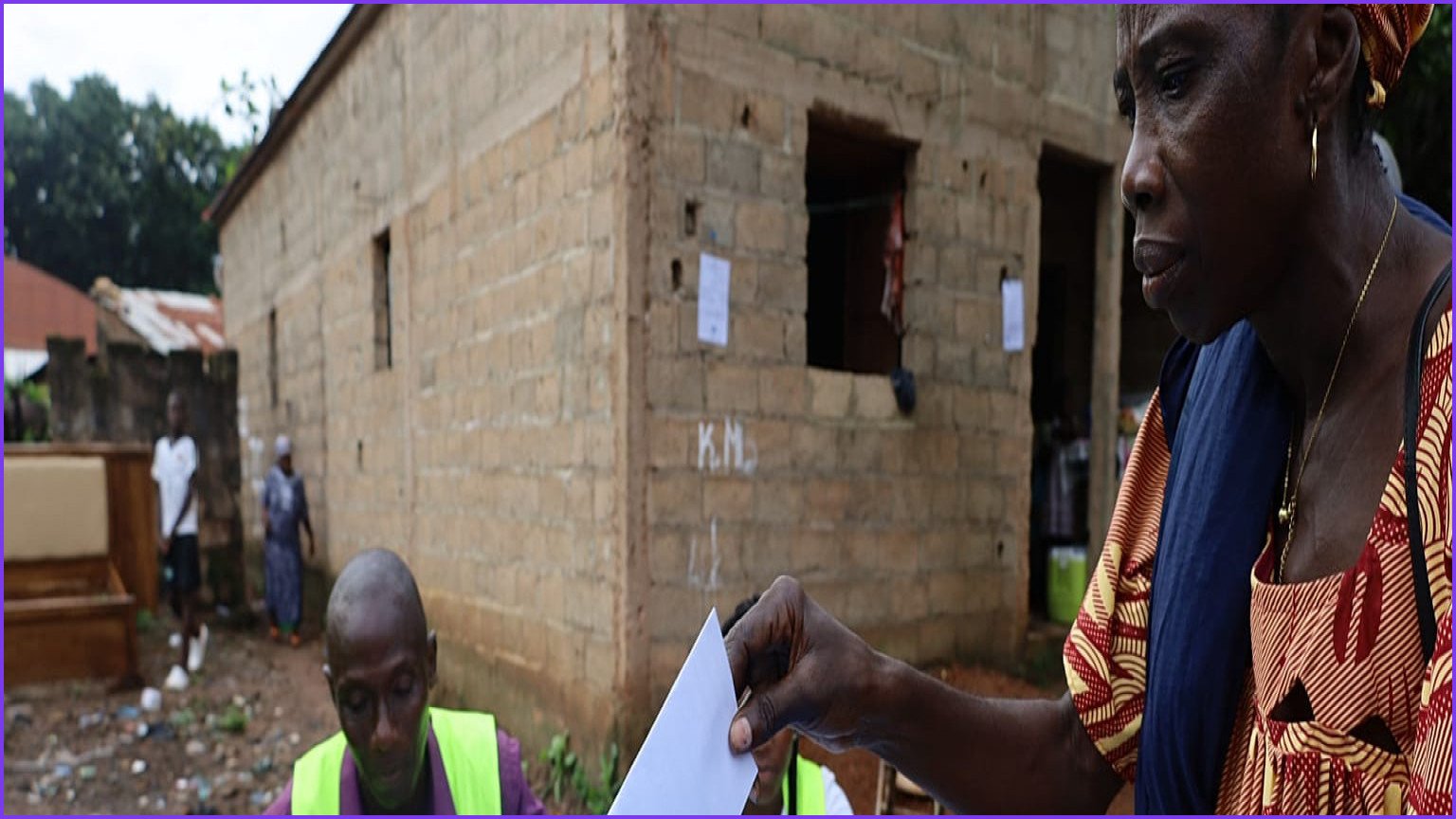
Polling stations across Guinea-Bissau opened at 08:00 CET today for a national referendum aimed at rewriting the country's constitution. Security measures have been bolstered in the capital, with the National Guard and police stationed at strategic locations to oversee the voting process. Approximately 915,000 citizens are eligible to participate in the vote, which is scheduled to conclude at 17:00 GMT, with initial provisional results expected by Tuesday.
The referendum centers on a proposal drafted by the National Transitional Council, which seeks to transition the country from a parliamentary system to a presidential model. If passed, the new constitution would reduce the size of the parliament from 102 to 65 seats and grant the head of state expanded authority, including the power to appoint and dismiss the prime minister and cabinet members, as well as the ability to dissolve the legislature. Supporters of the military-backed government contend that a smaller parliament will facilitate more substantive debates, while the shift in executive power is intended to resolve the political instability historically linked to complex power-sharing arrangements.
The current political climate remains tense, as the referendum is being conducted against a backdrop of significant instability and opposition. Critics have denounced the process, noting that the document was drafted by a transitional government established by a military junta without prior public or political consultation. Bubacar Turé, head of the Guinea-Bissau Human Rights League, stated that no political parties, civil society organizations, or religious and traditional leaders were involved in the drafting, characterizing the process as secretive. The text was published in the Official Gazette of the Republic before the public had been heard.
Opposition groups have called for a boycott of the referendum, citing a lack of democratic freedom. Turé reported that campaigners advocating for a “no” vote were not authorized to conduct their activities, creating an environment that he described as lacking basic freedoms. Analysts have also questioned the legitimacy of the military-led government in amending the constitution, with political analyst Paulino Quadé questioning the interests being served by the proposed changes.
The military seized power in November 2025, following a disputed election between former president Umaro Sissoco Embaló and opposition candidate Fernando Dias. Following the takeover, the junta appointed General Horta N'Tam as the transitional president under a temporary charter that bars him from standing in elections. This event followed years of political turbulence; since gaining independence from Portugal in 1973, the nation has experienced five successful coups and numerous attempts. Last year’s military takeover contributed to a broader democratic crisis in West Africa, where several nations are currently under military rule. The army seized power just as the vote count neared its end, leading to claims by observers that Embaló handed power to the military after realizing he was losing the election.
The current referendum mirrors constitutional shifts seen in other African nations like Chad and Zimbabwe, where authorities have moved to strengthen executive power or extend terms. Despite Guinea-Bissau’s status as a nation with a high ratio of natural wealth per capita, more than half of its 2.2 million residents continue to live in poverty. The international community and local observers remain focused on the outcome of this vote as the country navigates its ongoing political transition.
Some analysts say the military government lacks legitimacy to change the constitution, which has fuelled discontent among citizens.
During the 2023 legislative elections, Embaló himself dissolved parliament, which was dominated by the opposition, in response to what he described as an attempted coup, and then ruled by decree until he was deposed by the army.