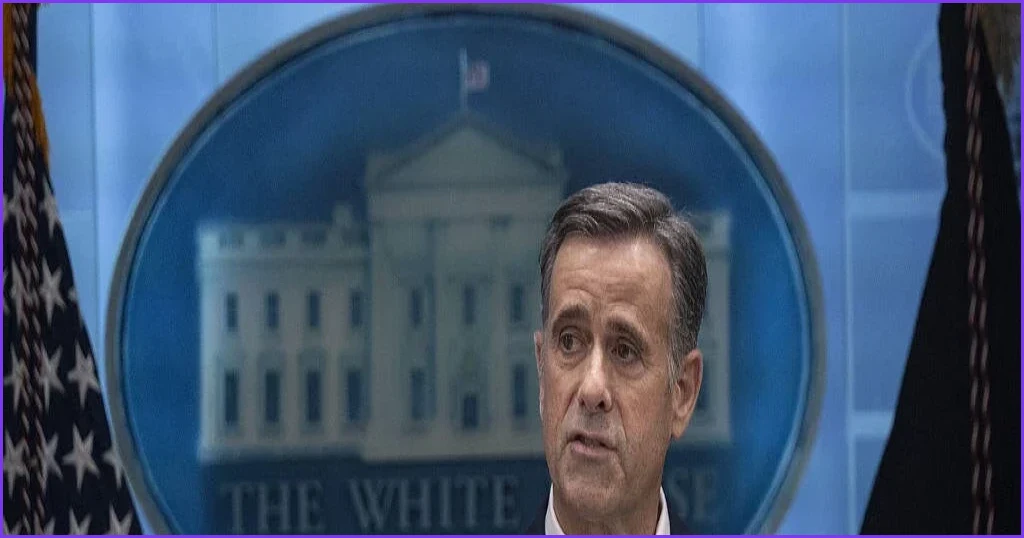
CIA Director John Ratcliffe conducted a secretive visit to Moscow this week, marking his first known trip to the Russian capital in his current role. According to multiple individuals familiar with the situation, the primary objective of the mission was to deliver a stern warning to Russian leadership against launching any attacks on NATO member states. This diplomatic move comes as U.S. intelligence officials have expressed growing concern that Russia may be preparing to test the alliance's resolve.
Beyond the concerns regarding NATO, Ratcliffe also addressed the ongoing crisis involving Iran. He reportedly warned Russian officials that additional sanctions would be imposed if the Strait of Hormuz is not reopened to international shipping traffic. While the CIA has declined to comment on the specific details or motivations behind the director’s trip, Kremlin spokesperson Dmitry Peskov confirmed to reporters that Ratcliffe held discussions with Russian intelligence officials, though he did not meet with President Vladimir Putin.
The visit was first identified on Tuesday following the sighting of a U.S. Air Force aircraft at a Moscow airport and the movement of a diplomatic motorcade through the city. A senior Ukrainian official noted that Kyiv had been informed of the U.S. delegation's travel plans and was requested to refrain from conducting strikes during the duration of the visit.
Recent U.S. intelligence assessments suggest that President Putin may be considering provocative operations on NATO territory, including cyberattacks and hybrid warfare, intended to evaluate the unity of the alliance and the Trump administration's commitment to collective defense. These concerns have been fueled by a series of recent incidents, such as drone incursions into Romania, a Russian missile crossing into Polish territory last month, and a rise in sabotage and cyber activity across Europe. Although NATO's Article 5 mandates mutual defense—a provision the U.S. invoked after the Sept. 11, 2001, terror attacks—President Trump has frequently questioned the reliability of the alliance and criticized member nations for their defense spending levels. Meanwhile, the U.S. continues to monitor Russia's partnership with Iran, which includes intelligence sharing regarding U.S. military positions and long-standing cooperation on drone manufacturing.
The Wall Street Journal was first to report on Ratcliffe's warning not to attack NATO.