Testimony concluded on Wednesday in the murder trial of Lindsay Clancy, a Massachusetts mother accused of killing her three young children—five-year-old Cora, three-year-old Dawson, and eight-month-old Callan—in 2023. As the trial moves toward closing arguments, expected to begin on Thursday, the jury prepares to deliberate on whether Clancy is criminally responsible for the deaths.
The central point of contention in the case is Clancy’s mental state at the time of the killings. While the defense maintains that Clancy was experiencing postpartum psychosis, exacerbated by undiagnosed bipolar disorder and medication, the prosecution argues that she knowingly murdered her children. Clancy has admitted to strangling them with exercise bands but has pleaded not guilty by reason of insanity.
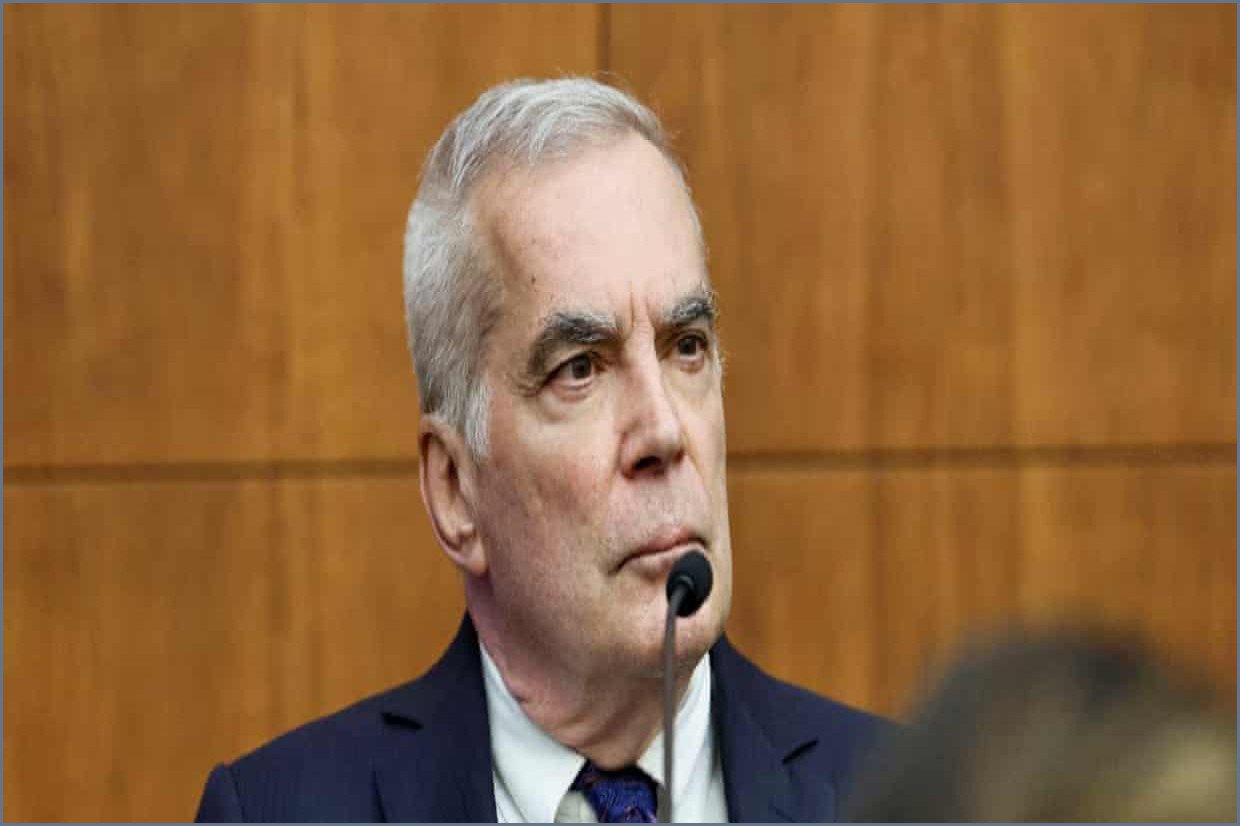
Dr. Gregory Saathoff, an FBI psychiatrist, served as the final witness for the prosecution. He testified that he does not believe the defendant’s account of hearing a voice ordering her to commit the acts. Saathoff expressed skepticism about the narrative that a voice dictated the specific logistics of the killings, noting that Clancy’s ability to execute the sequence of events without external direction indicated she maintained control throughout the incident. "In the small amount of time that Miss Clancy had in the home without her husband, it was important, in order to carry this out, as well as her suicide attempt, to do this quickly, methodically and alike," Saathoff stated.
Saathoff also pointed to the defendant’s behavior earlier that day, including visits to a pediatrician, preparing lunch, and building a snowman with her children, as evidence of a controlled and organized state. He further testified that it was highly unusual for a voice to stop immediately after the act of killing, noting that in his professional experience, "committing the act is not curative of the voice."
During cross-examination, defense attorney Kevin Reddington challenged Saathoff’s expertise, prompting the psychiatrist to acknowledge that he had only treated two women with postpartum psychosis, both decades ago. Saathoff did concede that hormonal changes after childbirth can impact neurotransmitters, leading to intrusive thoughts and behavioral issues. However, he rejected the defense's suggestion that the prosecution’s earlier characterization of Clancy—that she was a perfectionist who "made a calculated decision" because she no longer liked her life—minimized the reality of her mental health struggles.
The proceedings have drawn significant public attention, with supporters rallying outside the courthouse to protest what they describe as a failure of the health system. Jurors previously heard evidence that Clancy had reported feelings of numbness and sleep deprivation to medical providers about a month before the killings, though she was turned away from a postpartum day program at a Rhode Island hospital.
Under cross-examination by defense attorney Kevin Reddington, Saathoff said he had treated only two women experiencing postpartum psychosis “in the late 1980s and also during the 1990s” when he worked at a state hospital.