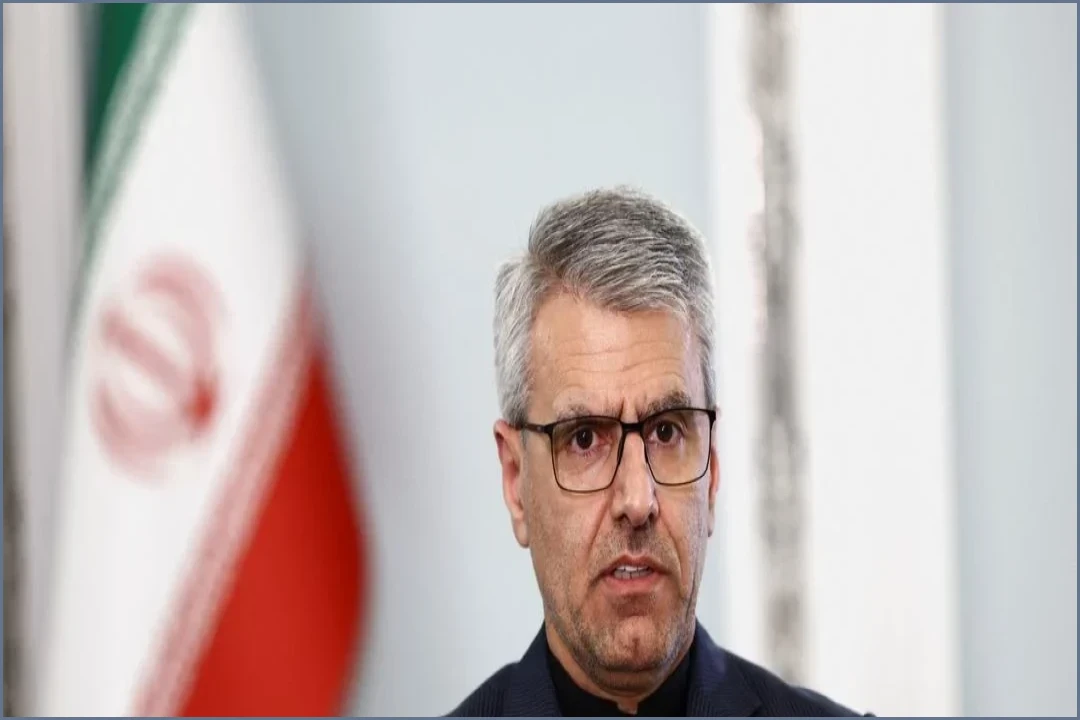
Iranian Foreign Ministry spokesperson Esmaeil Baqaei has dismissed the latest round of US sanctions against Tehran, asserting that such measures are both illegal and doomed to fail. During a weekly press briefing on Monday, Baqaei emphasized that Washington’s continued reliance on these methods has proven ineffective at meeting its stated objectives.
According to Iran’s semi-official Tasnim news agency, Baqaei described the policy as a clear manifestation of American hostility toward the Iranian public. He argued that the primary impact of these sanctions is felt by ordinary citizens, rather than the intended targets. Furthermore, he condemned the US practice of intimidating other nations to limit trade with Iran, characterizing such actions as a violation of both free trade principles and national sovereignty. Baqaei suggested that these aggressive tactics should serve as a warning to the international community, noting that even close US allies have expressed frustration with such overreach.
Addressing regional security concerns, the spokesperson commented on reports that US KC-135 tanker aircraft had recently departed from Bulgaria. Baqaei stated that any perceived support from Sofia for US or Israeli military strikes against Iran is contrary to international law. While he clarified that Tehran holds no grievances against the Bulgarian people, he warned that countries providing their bases, facilities, or equipment for what he termed the “unlawful actions of aggressor parties” would face a different situation. He maintained that no nation has cause for concern regarding Iran, provided they do not facilitate aggression.
Regarding the Mecca defense pact, which was signed in early August by Türkiye, Saudi Arabia, and Pakistan to bolster regional stability, Baqaei clarified that Iran has not received an invitation to join the agreement. However, he noted that there have been proposals to initiate discussions with those countries concerning regional security.
The diplomatic climate remains strained following the escalation of tensions in late February, when the US and Israel launched joint strikes on Iran, leading to retaliatory responses against regional hosts of US assets. Although the two nations signed a memorandum of understanding on June 17 and began negotiations, talks have since stalled over disputes regarding freedom of navigation in the Strait of Hormuz and security guarantees. Recent weeks have seen an exchange of military strikes, with Washington targeting sites within Iran, while Tehran has responded by hitting US military facilities in Jordan, Bahrain, and Kuwait.