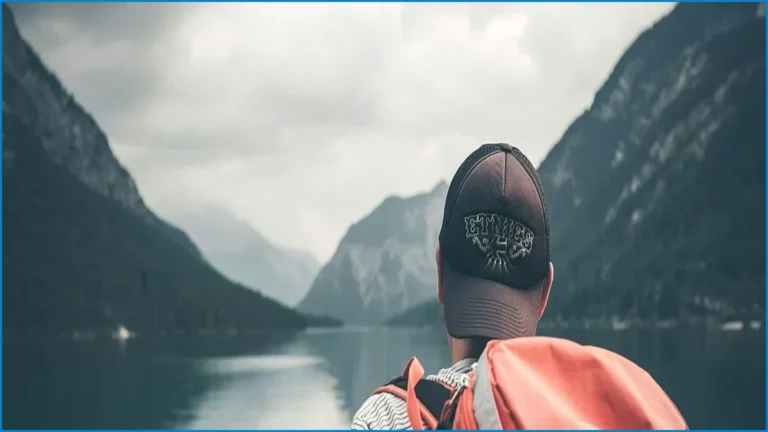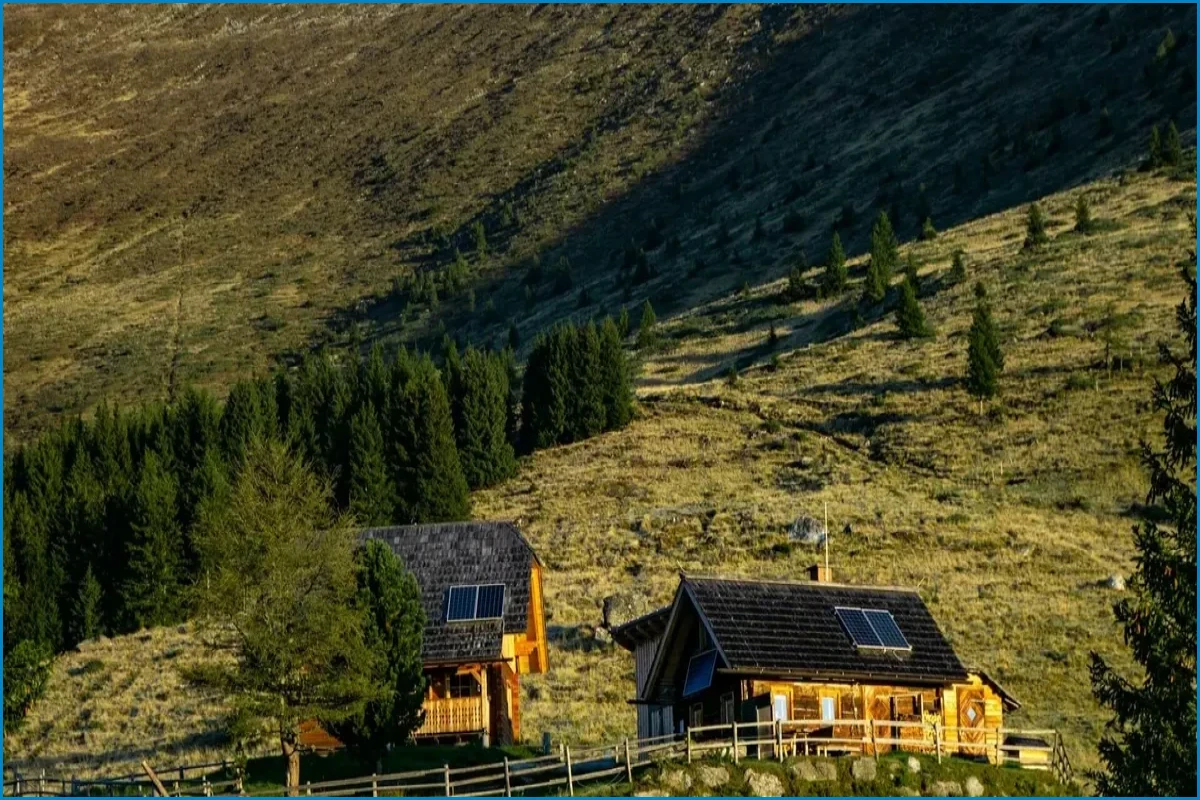
As Austria enters the late summer and early autumn, its mountain trails offer clear views, milder temperatures, and relief from the peak holiday rush. However, safety experts warn that these beautiful conditions can mask significant alpine dangers. Yvette Polasek, a travel expert with the Austrian automotive club ÖAMTC, has cautioned hikers that setting off unprepared carries immense risks, emphasizing that thorough route planning, appropriate equipment, and emergency preparedness are essential to saving lives.
Spontaneous trips into the mountains are highly discouraged. According to Polasek, effective planning is half the battle. Hikers must choose routes that strictly align with their physical fitness and experience levels. While digital maps and GPX tracks are highly convenient, they are vulnerable to dead batteries and lost signals.
Consequently, carrying a physical paper map and knowing how to read it is a critical safety backup. To assist with preparation, the ÖAMTC provides an online Travel Checklist and features planning tools within its Meine Reise app, though full app functionality is restricted to members.
Adapting to rapid weather shifts requires the "onion principle" of dressing in layers. Hikers should wear a breathable base layer, a warm mid-layer, and a windproof, waterproof outer shell to remain flexible as conditions change. Footwear is equally critical; boots must be thoroughly broken in before a major hike, paired with proper socks, and accompanied by blister plasters in a first-aid kit.
For nutrition and hydration, the ÖAMTC recommends carrying at least two to three liters of water per person alongside compact, high-energy snacks like fruit or muesli bars. Hikers should also identify reliable water refill stations along their route beforehand and monitor their pacing to ensure they do not end up racing the dusk.
Mountain weather is notoriously unpredictable, especially above the treeline where sunshine can rapidly deteriorate into a severe thunderstorm. Experts advise checking the mountain weather forecast the evening before a hike and once more on the morning of departure. If the weather shows any signs of instability, hikers should postpone their trip or pivot to a pre-planned, lower-altitude alternative that offers shelter.
Autumn hikers are also highly likely to encounter grazing livestock on alpine pastures. It is crucial to maintain a safe distance from cattle, avoid feeding or approaching them, and exercise extreme caution around cows protecting their calves. While dogs should generally be kept on a short lead, the Austrian Alpine Club advises releasing them immediately if cattle prepare to attack, as a dog can escape much more easily when freed.
Hikers must also stay on marked trails, avoid making loud noises, close pasture gates, and carry all trash back down the mountain.
In the event of an alpine emergency, staying calm and initiating the rescue chain is paramount. Throughout most of Austria, the emergency number for mountain rescue is 140. However, the Austrian Mountain Rescue Service (Bergrettung) notes that hikers in the Vorarlberg region must dial 144 instead. The European emergency number 112 is also available.
If a mobile phone lacks a signal, Bergrettung recommends restarting the device and dialing 112 instead of entering a PIN. If signal coverage remains entirely unavailable, hikers should ensure the injured person is safe before moving to a location where reception can be established.
When contacting emergency services, callers must provide precise details, including the specific trail, nearest landmarks, altitude, or coordinates. Rescuers will also require information on the nature of the accident, the number of injured persons, the severity of their injuries, a callback number, and current local weather conditions. Visual and auditory signals, such as shouting, using flashlights at dawn or dusk, or waving brightly colored clothing, can help rescuers locate victims.
If a rescue helicopter is deployed, bystanders must keep back and clear the landing area of any loose objects that could be swept up by rotor wash. To signal the helicopter crew that assistance is required, hikers should stand with both arms raised in a "Y" shape. Once the helicopter lands, eye contact must be maintained with the crew, and passengers should only approach when signaled.
The ÖAMTC advises approaching the aircraft in a crouched posture and strictly from the downhill side while the rotors are turning. In particularly steep or inaccessible terrain, the crew may bypass landing entirely, lowering a doctor and flight rescuer directly to the site via a rope.
Everything you carry up comes back down with you – pack out all rubbish so the next person enjoys the same landscape.
Make your position as clear as possible, including the trail, nearest landmark or junction and your altitude or coordinates if you have them.