The Alpine landscape is undergoing a rapid and alarming transformation, with the Marmolada glacier serving as a critical indicator of the broader ecological crisis affecting the Dolomites. According to Legambiente Veneto, which is currently conducting the seventh edition of its international Glacier Caravan campaign, the mountains are becoming increasingly unstable as ice loss accelerates and high-altitude water availability becomes less certain. The campaign, which sets off from France, continues to shine a spotlight on the ever-faster transformation of the Alpine arc.
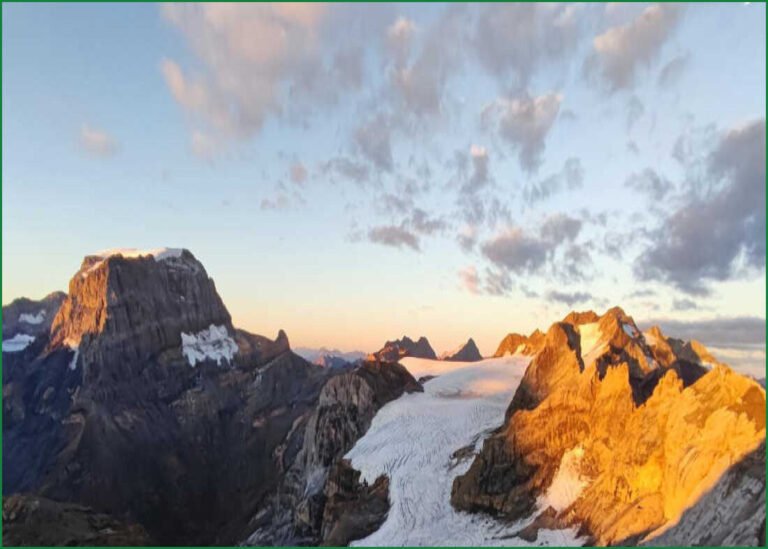
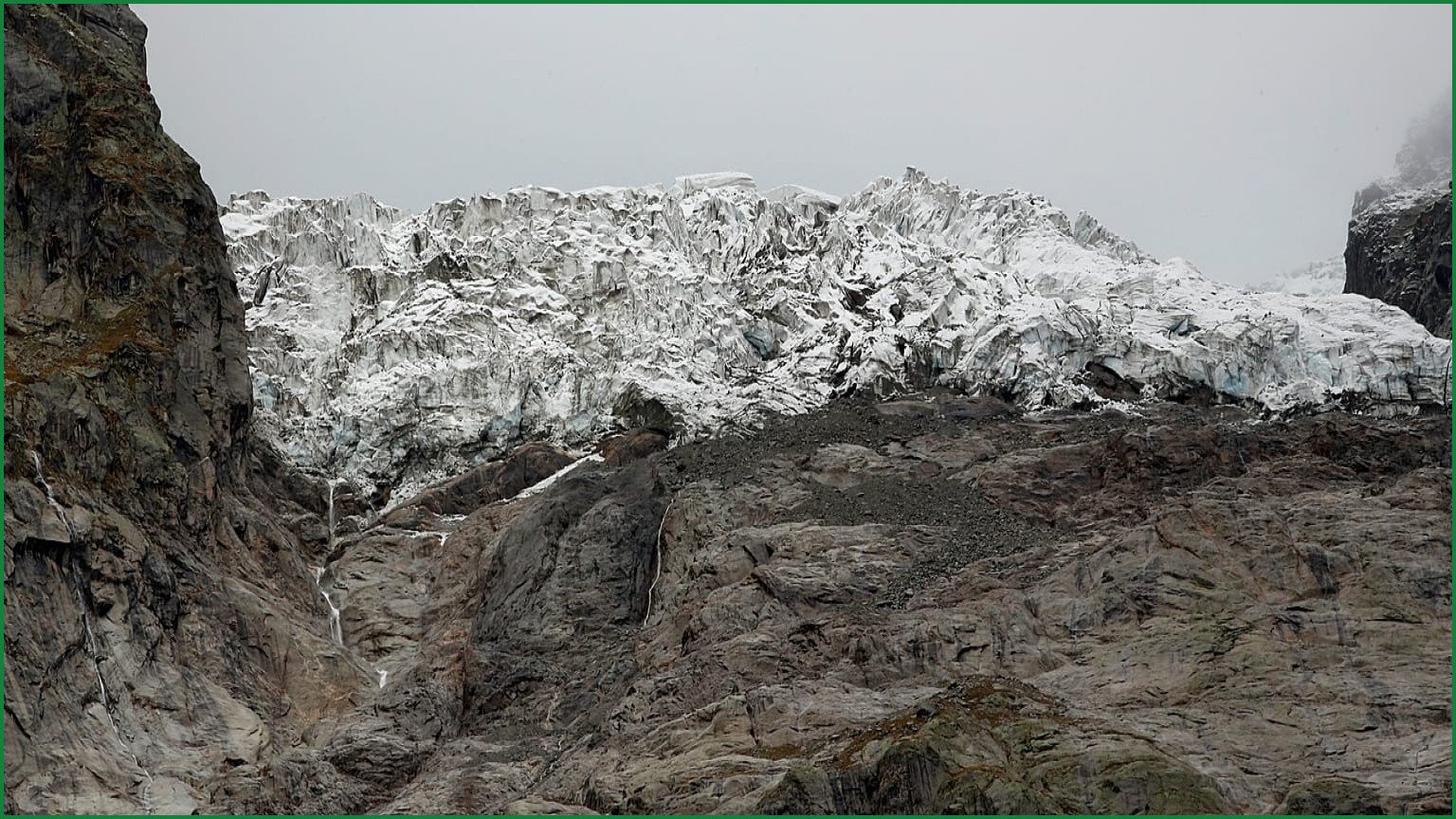
The Marmolada, often cited alongside the Adamello and Mont Blanc as an emblematic example of Alpine fragility, is showing clear signs of distress. Driven by the heatwaves of recent weeks, the glacier continues to lose mass. The ice now appears grey and is deeply scored by meltwater streams, while its perimeter keeps shrinking. This visual evidence illustrates a transformation that, year after year, is changing the face of the mountains. Climate data from June 2026 highlights the severity of the situation in Veneto, where temperatures were more than 3 degrees above the 1991-2020 average. By July, the heat was exceptional, especially at altitude, with the freezing level rising above 4,000 metres.
Beyond the visible retreat of ice, the warming climate is degrading permafrost, the ground that stays frozen for very long periods and helps hold the slopes together. Data from the Arpav report updated to 31 July indicates that on Piz Boè, the active layer of permafrost has exceeded 7.4 metres in depth. While this figure does not directly describe conditions in the Dolomites of Belluno, Legambiente considers it an important signal of a phenomenon that requires much wider monitoring. The association is calling for this monitoring to be extended to the Pelmo, Antelao, Sorapiss, Civetta, and Tofane massifs, especially in light of recent rockfalls recorded on the north-west face of Mount Pelmo. According to figures cited by the association, the province of Belluno must contend with 150 to 200 collapses and landslides every year, a number that underscores the intense pressure the slopes are under.
The environmental crisis extends to essential resources, as retreating ice impacts aquifers and water reservoirs. High-altitude water is no longer guaranteed, and Alpine huts are feeling the effects. In response, the province of Belluno and CAI Veneto have launched a specific protocol to tackle the issue of water supply in mountain refuges. This represents one of the less visible but more concrete effects of the changing Alpine climate, impacting those who live, visit, and work in the mountains.
Fabio Tullio, spokesperson for the Glacier Caravan in Veneto, emphasized that the region is far more than a scenic backdrop, describing it instead as a living system that is evolving faster than public planning can keep up with. Legambiente is now urging the Veneto regional authorities to expedite the approval of the Regional Strategy for Adaptation to Climate Change, which was launched in 2021 but is still awaiting final adoption. The campaign’s core message remains that watching the ice disappear is not enough; slopes must be monitored, the impact on water availability must be anticipated, and the mountains must be prepared to cope with a climate that is already changing. In this sense, the Marmolada is far more than a retreating glacier; it is one of the clearest signs of how fast the Alpine environment is changing.