The chief executive of Travelodge, Jo Boydell, has stepped down from her position as the hotel chain undergoes a major security review following a series of serious safety breaches, including a sexual assault at one of its locations. Boydell, who officially vacated her role on 17 August, has been replaced on an interim basis by the company's chief financial officer, Ray Reidy. The leadership change comes amid intense scrutiny over how the budget hotel giant handles guest safety and room key protocols.
The scrutiny intensified following a December 2022 incident at a Travelodge in Maidenhead, where a female guest was sexually assaulted in her room. The attacker, Kyran Smith, managed to gain entry after lying to hotel staff to obtain a key card to her room. Smith was subsequently convicted and sentenced to more than seven years in prison for the assault. Boydell faced heavy criticism for her handling of the situation. During an interview in March, she claimed she only became aware of the assault during the court proceedings nearly three years later. However, it was later revealed that the victim had emailed Boydell directly in January 2023, just one month after the attack. When questioned about this discrepancy, Boydell admitted the email had been "handled on my behalf" and conceded that "serious failures" had occurred.
Since the Maidenhead assault became public, numerous other guests have reported serious security lapses at Travelodge properties. Earlier this month, a victim of domestic violence recounted how she was attacked in her hotel room after reception staff handed a key card to her abuser. The woman described the event as one of the "most traumatic nights of my life," explaining that her abuser kicked the hotel room door completely off its hinges. She ran downstairs "shaking, crying and begging for help," expecting protection, but was instead merely offered a different room in the hotel. She stated that she felt "failed" by the chain and added, "I thought someone would protect me."
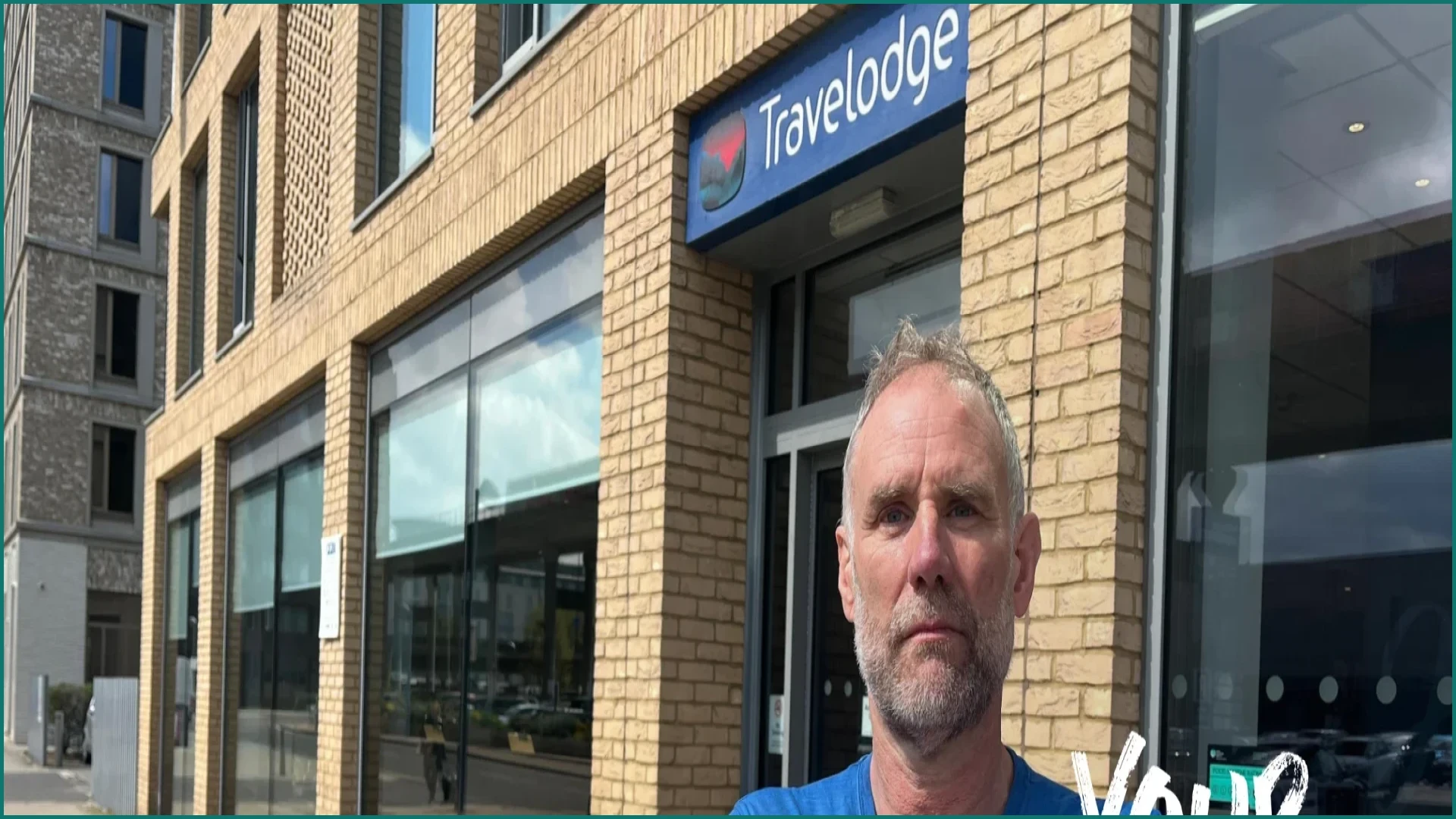
Other security failures have also emerged across the chain's network. In Scotland, a couple woke up in their hotel room to find a shirtless stranger standing inside after staff mistakenly issued him a key card to their room. Additionally, in April, a group of corporate guests staying at a Travelodge in Newham, east London, reported being given keys to already occupied rooms twice in a single week. One of those guests, John Nowell, described walking into a room only to find the occupant in the middle of taking a shower.
The recurring security issues have drawn sharp criticism from political figures. Freddie van Mierlo, the Liberal Democrat MP for Thame—where Travelodge's headquarters is located—had previously called for Boydell’s resignation and welcomed her departure. Van Mierlo argued that the root of the problem lies in the company's low-cost business model, which he said has implemented excessive cuts that compromise guest safety. "I've always said that what's wrong is the business model – it's made far too many cuts, deep cuts, to the company in order to have a low-cost model. That's an important part of the market, but that can never put guest safety at risk," he said. He urged the chain's investors to release capital to fund "deep changes" within the company.
The security failures also prompted government intervention earlier this year. In March, then Prime Minister Sir Keir Starmer wrote directly to Boydell, urging her to "seriously engage" with the government regarding safety standards at Travelodge hotels.
In response to the growing crisis, Travelodge has launched an independent security review, which is currently being conducted by barrister Paul Greaney KC. On Thursday, the company announced several immediate measures aimed at addressing these vulnerabilities. The chain has partnered "with a leading Violence Against Women and Girls expert" to train senior leadership and review existing company policies. Furthermore, Travelodge has mandated that any additional or replacement room keys will now require explicit permission from the guest registered to the room. The company also confirmed it has completed audits across all of its UK properties to ensure that every key-card door is equipped with a secondary deadbolt.
Following his appointment, interim chief executive Ray Reidy emphasized the company's commitment to resolving these issues. Reidy stated: "We remain focused on the safety and well-being of our guests and will continue taking the actions necessary to strengthen the business. We will also continue to engage proactively and constructively with government and the wider hospitality industry on the issue of safety and security."