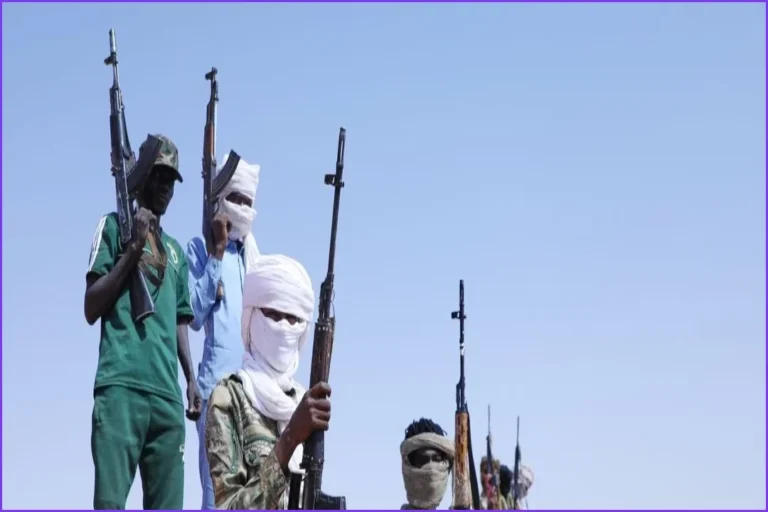
Moroccan security forces successfully blocked hundreds of individuals from entering the Spanish enclave of Ceuta on Saturday. The migrants, primarily originating from sub-Saharan Africa, had been gathering on the outskirts of Fnideq, a town known in Spanish as Castillejos. According to official figures, 294 people were arrested during the operation, including 46 Moroccan nationals and 248 from sub-Saharan Africa.
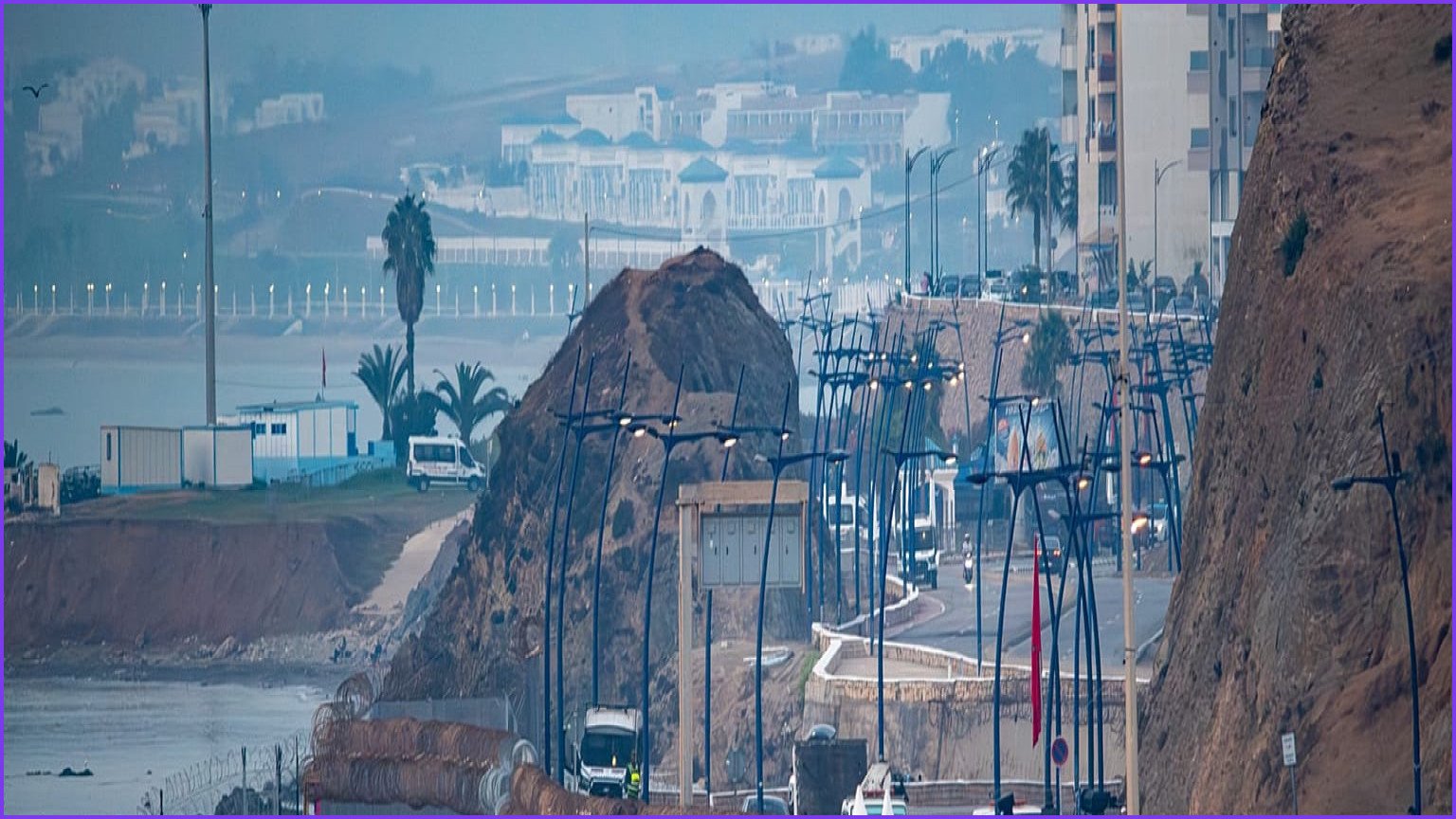
Security sources cited by the EFE news agency reported that the incident occurred in a mountainous area to the south-west of Ceuta. Moroccan officers moved in to disperse the crowd, and for the time being, no further attempts to approach the border fence have been recorded. While the area remains under heavy surveillance, the town center of Fnideq was reported as calm on Saturday morning.
Authorities have maintained strict checkpoints on major roads leading to the town, specifically those connecting to Tetouan and Tangier. During the early morning hours, the government intensified monitoring efforts on both land and sea. This deployment included the use of surveillance drones and fast boats operated by the Moroccan Royal Navy. Despite the extensive screening, one 17-year-old woman managed to reach Castillejos during the night, having traveled by bus from Tetouan through three separate security checkpoints.
The operation was part of a broader security strategy organized by Rabat to preempt a mass crossing that had been promoted on social media. The heightened alert follows the tragic events of July 30 and 31, when tens of thousands of people crossed into the Spanish enclave by foot or by swimming. Humanitarian organizations reported that the July incident resulted in at least 141 deaths, marking one of the deadliest episodes on the border between Morocco and Spain.
For some migrants, the drive to cross remains strong despite the risks. Chams Edine Yakoub, a 25-year-old Sudanese migrant, expressed his desperation to reach Ceuta. "In Ceuta, in Europe, people are better cared for," he said. "There's no work here. There's no money. There's no housing. There is absolutely nothing, I swear."