Ukrainian President Volodymyr Zelensky has urged the United States government and Elon Musk to lift operational speed restrictions on the Starshield satellite internet network, warning that the limitations are impairing Ukraine's defense against Russian drone and missile attacks. Zelensky called on decision-makers to be on the "right side of history," emphasizing that "the protection of lives and Ukraine's energy infrastructure ahead of winter directly depends on this."
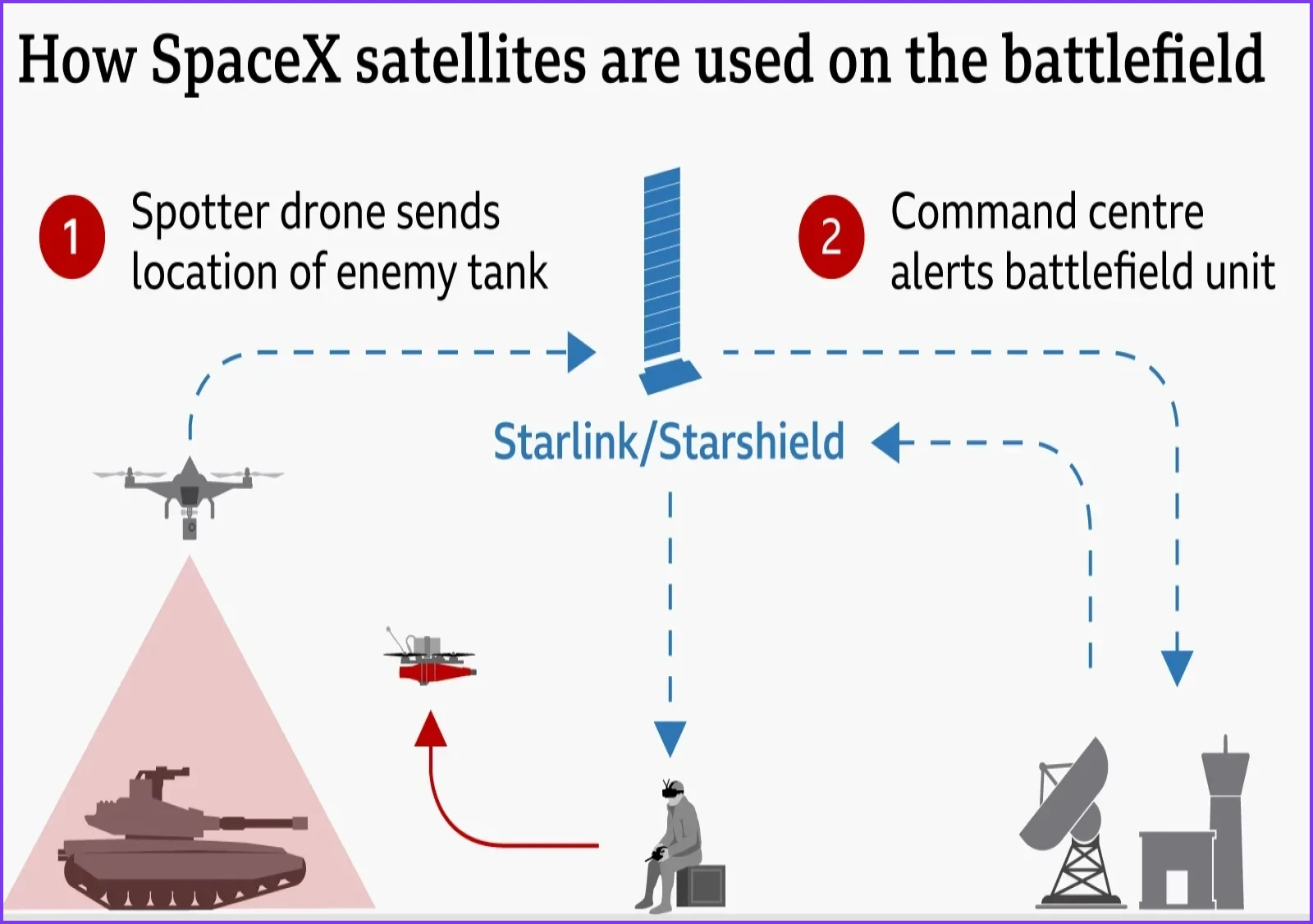
The ongoing dispute over Starshield—a military-grade service provided by the US government and owned by Musk's SpaceX—has persisted for weeks. While Ukrainian troops utilize standard Starlink terminals for battlefield communication, Starshield is specifically allocated for intercepting incoming drones and missiles in Ukrainian airspace.
Connection issues were first recorded in October, triggering conflicting statements between Musk and US President Donald Trump. Musk stated that the US government controls Starshield, but Trump denied responsibility and claimed he told Musk to "put it back."
Although connection speeds briefly appeared to improve after a week, Kyiv reported that throttling remains active. On Sunday, Zelensky highlighted that Ukrainian interceptor drones are failing to shoot down Russian jet-powered "shahed" drones because "restrictions on the operating speed of Starshield terminals along the front line and in the temporarily occupied territories are still there." He stated in a post: "Our interceptor drones lose connection with their operators at a speed of 161km/h (100mph) and simply cannot catch up with Russian jet-powered 'shaheds'."
The Starshield throttling coincided with diplomatic friction between Zelensky and Trump regarding Ukrainian strikes on Russian oil infrastructure. Trump voiced concern that strikes on Russian oil refineries were driving global fuel prices higher, whereas Kyiv argued the attacks are essential to cut off the Kremlin's main revenue source. The defense strain has been further exacerbated by a shortage of US-supplied Patriot interceptor missiles, which Russian forces have exploited by intensifying air strikes across Ukraine.
Overnight and into Sunday morning, Russian bombardment damaged energy infrastructure across the Zaporizhzhia, Sumy, Odesa, Zhytomyr, and Kirovohrad regions. Russian forces also targeted railway infrastructure in the Dnipro, Kharkiv, and Zaporizhzhia regions. Scores of civilians were injured in the assault, with two additional injuries reported in the Donetsk and Kyiv regions.
In Chernihiv Region, governor Vyacheslav Chaus reported on Telegram that an attack on an infrastructure facility in Mena killed two people, alongside multiple strikes on regional energy facilities.
In response, Ukrainian units launched long-range strikes into Russia. Ukraine's military reported on Telegram that "on the night of November 15, units of Ukraine's Defence Forces reached Nizhnekamsk in Tatarstan," adding that "two enterprises that feed the Russian war with raw materials and fuel came under attack," hitting a local petrochemical plant and oil refinery.
Separately, regional governor Yuri Slyusar reported one death from Ukrainian strikes in Taganrog, an industrial port city near the border. In occupied Luhansk, Moscow-installed official Leonid Pasechnik reported that an elderly woman and a lorry driver were killed.
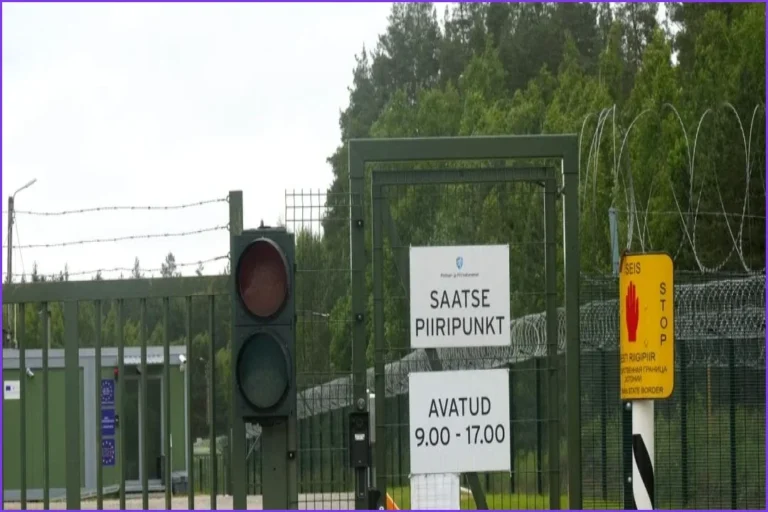
Amid the regional escalation, Estonia announced plans to close its border crossings with Russia starting December 1, following a suspected GRU Russian military intelligence sabotage plot against drone manufacturer Threod Systems. Eight individuals were detained over an attempted arson attack on the facility. Foreign Minister Margus Tsahkna declared that "Russia must understand that hostile actions against Estonia come with consequences," while Russian officials have not commented on the matter.