China is making a calculated move in the 21st century's most critical technological competition, betting that open-source artificial intelligence will determine the ultimate winner of the global race. While Washington has focused its efforts on restricting China's access to advanced semiconductors to maintain a lead in computing power, Beijing is prioritizing something arguably more vital: widespread adoption.
History suggests that the technologies which become global standards are typically those that are easiest to modify, build upon, and integrate. Just as Linux became the foundation of the internet and Android captured the smartphone market by creating ecosystems rather than merely customers, Chinese firms including DeepSeek, Moonshot, Zhipu, and Alibaba are releasing powerful open models. These tools can be downloaded and customized by startups, researchers, and foreign governments, effectively integrating them into an expanding Chinese technological ecosystem.
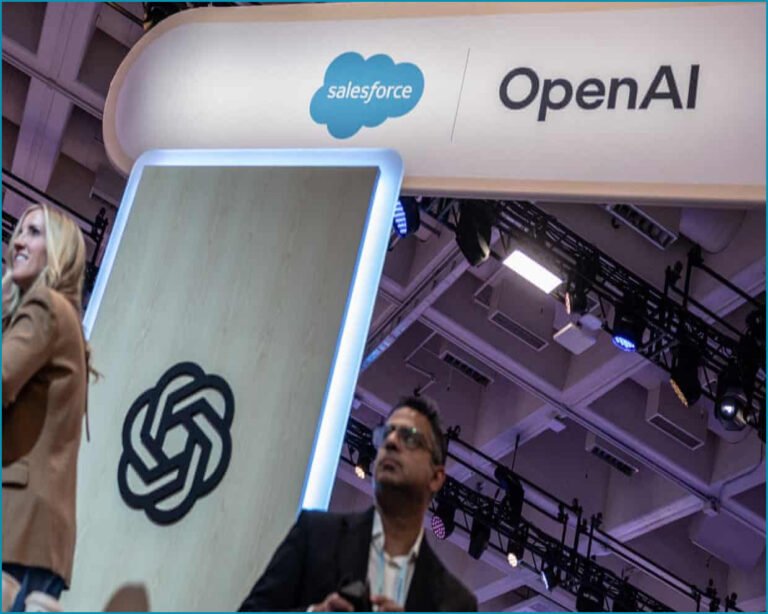
In contrast, leading American AI companies are moving toward closed-source models. OpenAI, despite its original charter emphasizing broad access for the benefit of humanity, now keeps its most advanced systems proprietary, accessible only through paid interfaces. Anthropic has followed a similar path, citing safety as the primary justification for keeping frontier models closed. However, critics argue that commercial considerations are the more likely driver, and that concentrating such powerful technology within a few private corporations introduces its own set of dangers.
The push for open-source AI offers significant advantages, including lower costs and reduced hardware requirements. This democratizes innovation, allowing universities, hospitals, and manufacturers to participate more broadly in the economy. Unlike proprietary "black boxes," open-source models allow researchers to identify flaws, hospitals to secure sensitive data, and defense agencies to audit system behavior for security vulnerabilities.
From a democratic perspective, the concentration of AI power in a handful of companies raises concerns regarding transparency, competition, and public trust. When only a few corporations control the models and the information they process, accountability becomes difficult. By relying on proprietary systems, the United States risks prioritizing short-term corporate revenue over long-term national strategy. While the U.S. maintains significant advantages in venture capital, research universities, and high-performance computing, these strengths only translate into real power if they are leveraged to create broad national capabilities. If the U.S. remains behind closed doors, it may inadvertently allow Chinese open-source models to become the global default, proving that influence comes not just from building the best AI, but from building the AI the world chooses to use.
You have reached the limit of 2 free articles this month.