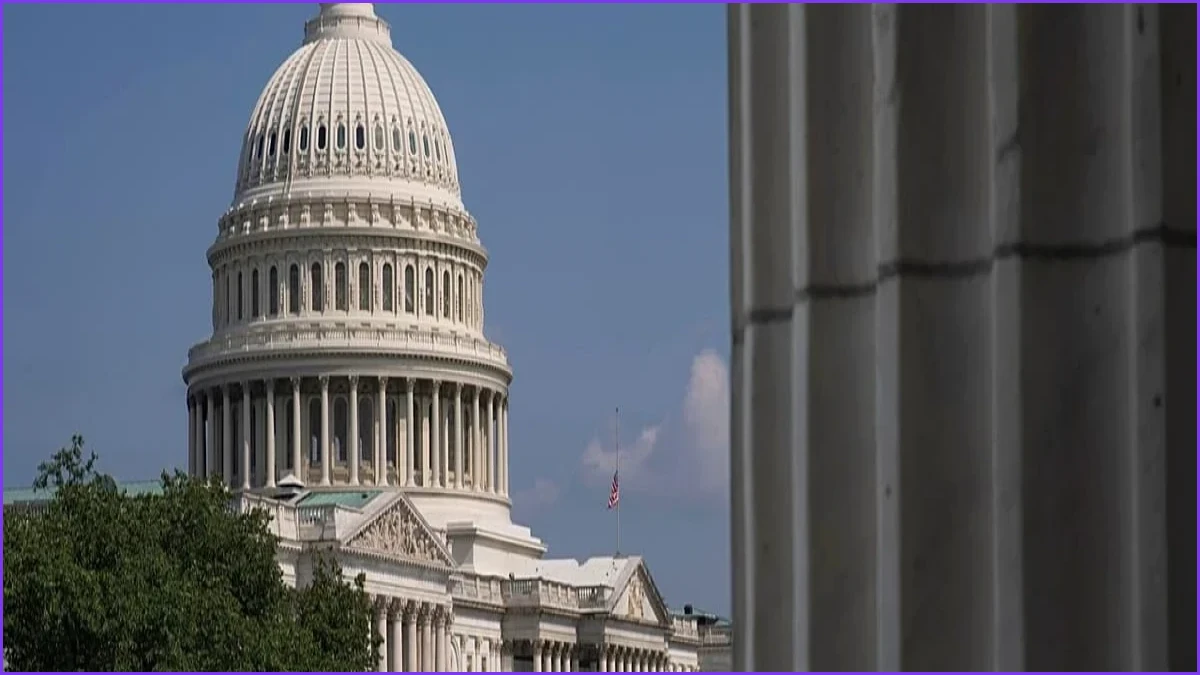
The United States Senate has overwhelmingly approved a major sanctions package designed to cripple Russia's energy revenues. The bipartisan legislation, which cleared the chamber with an 86-11 vote, targets a wide range of entities, including Russian officials, oligarchs, financial institutions, and the so-called shadow fleet of oil tankers currently used by Russia to bypass existing international restrictions.
Under the proposed bill, US President Donald Trump would be granted the authority to impose tariffs of up to 500% on Russian imports, specifically covering oil and gas products. Furthermore, the legislation seeks to penalize nations that continue to purchase Russian energy exports. This provision would allow the White House to levy tariffs of up to 100% on goods originating from major buyers of Russian oil and gas, such as China and India.
The bill also includes provisions that would directly sanction high-ranking Russian officials, including President Vladimir Putin. Despite the stringent nature of the measures, the legislation incorporates waiver authority, permitting the White House to suspend specific sanctions or restrictions if the president certifies to Congress that such an action serves the national interest.
This legislative push represents the most significant effort during President Trump’s second term to alter the dynamics of the ongoing war, which has lasted more than four years. While Congress has previously faced challenges in ensuring the steady flow of US funding and munitions to Ukraine, President Trump has indicated his support for this package, increasing pressure on the House of Representatives to hold a vote. However, any action by the House is delayed until at least early September due to the scheduled congressional summer recess.
The legislation is named in honor of the late Senator Lindsey Graham, who passed away on 11 July. Prior to his death, Senator Graham spent over a year building support for the bill and successfully negotiated a revised version with the White House. This final text includes an extension of existing authority aimed at restricting funding for Iran’s energy and weapons sectors.