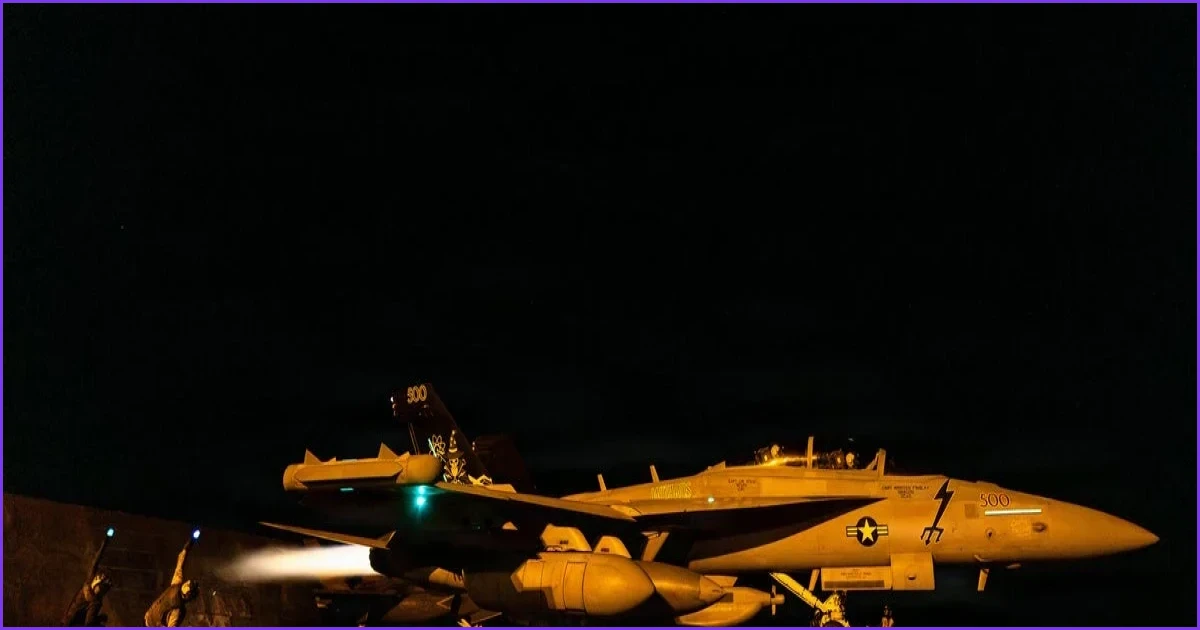
The United States and Israel are currently planning what could become one of the most severe bombing campaigns to date, specifically targeting energy infrastructure within Iran. These strikes could potentially occur throughout the weekend. While there have been internal discussions regarding the possibility of concluding any such operations before financial markets open on Monday, due to concerns over potential impacts on the U.S. and global economy, no definitive end point has been established.
Israeli officials have been notified and are actively coordinating with the United States on the planning. However, President Trump has not yet issued the final authorization for these strikes. Israel is currently unaware of any decision to restart full military operations and has not been requested to join any specific military actions against Iran at this time.
The strike plan was a subject of discussion during President Trump’s cabinet meeting held at Camp David on Friday. While some White House aides focused on political considerations expressed strong opposition, the President signaled a firm stance, stating, "We'll be hitting them very hard. At some point, they're going to say, 'We just can't take it anymore.'" When asked about the prospect of reviving diplomacy, he remarked, "I think we just want to win."
The potential targets identified include critical energy infrastructure, such as power plants and refineries. The strategic value of targeting these sites would be to degrade the Iranian military's capacity to provide services and maintain effective governance. In addition to these discussions, there were high-level U.S. talks on Friday regarding the possibility of cutting electricity across Tehran, though no final decision had been reached by Friday afternoon.
The U.S. intends to win and emphasized that Iran will not possess a nuclear weapon under the current administration. The Department of War is "locked and loaded" and ready to execute the President's directives, though specific targets remain unconfirmed prior to a final decision.
Earlier this week, Prime Minister Benjamin Netanyahu met with President Trump and Defense Secretary Hegseth, briefing them on three distinct options for the conflict, which included military strikes aimed at land resupply routes. Previous U.S. military actions in this conflict have already included strikes on bridges deemed dual-use, serving both military and civilian purposes. Additionally, President Trump recently stated that he would target an Iranian bridge or power plant in retaliation for any future attacks on ships in the Strait of Hormuz.
The president has yet to give the final 'go' orders for the strikes, the sources said.A joint operation would mark Israel's return to combat operations which it had halted during the U.S.-brokered truce.