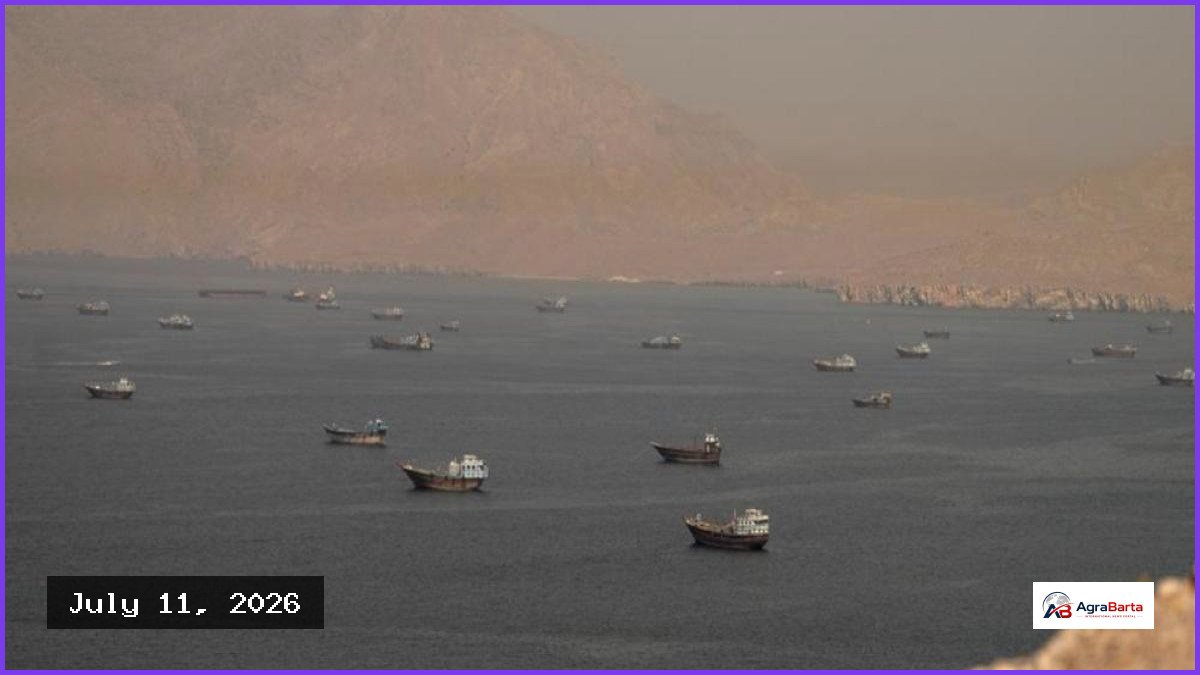
The United States has set clear conditions for upcoming negotiations with Iran, demanding that Tehran publicly confirm the Strait of Hormuz is open and provide a formal pledge to cease firing on commercial vessels. These demands were communicated to Iranian leadership through regional mediators ahead of talks scheduled for Saturday.
According to reports from US officials, the message delivered to Tehran was unambiguous: Iran must issue a statement declaring the strait open and commit to ending attacks on commercial shipping, or face negative consequences. One official stated that the outcome for Iran would not be good if they failed to provide this public declaration. The White House also expects Iran to publicly acknowledge that the recent firing on ships was a mistake.
Internal communications suggest that Tehran has already privately indicated to advisers of President Donald Trump that the recent attacks were an error, reportedly blaming a rogue sect of hardliners for attempting to undermine negotiations. One US official noted that the Iranians acknowledged their mistake and expressed a desire to keep talking.
The negotiations, expected to take place in Oman on Saturday, will be led by a high-level US delegation including Vice-President JD Vance, Secretary of State Marco Rubio, special envoy Steve Witkoff, and Jared Kushner. Meanwhile, a separate delegation from Qatar traveled to Iran on Friday to assist in de-escalating tensions regarding maritime navigation.
President Trump stated on Truth Social that while the US has agreed to continue talks, the previous ceasefire is considered over. In June the US and Iran signed a ceasefire agreement where Iran would, in part, give safe passage to commercial ships. This development follows a period of conflict in which three ships were struck while using a US-recommended route in Omani waters. Iran has maintained that only a separate route through its own waters is safe and has previously attempted to assert sovereignty over the area by establishing a “Persian Gulf Strait Authority” to manage passage permits.
Last month, the two nations had reached a 14-point memorandum of understanding intended to extend a ceasefire and resolve conflicts on all fronts. That agreement included provisions for Iran and Oman to hold discussions with other Gulf states regarding the future administration and maritime services within the strait.
"They're either going to give us that statement or we're not having a good outcome for them," said one official, quoted by Reuters news agency.
Overall progress came last month when the US and Iran agreed on a 14-point memorandum of understanding, which was aimed at extending a ceasefire and ending conflict "on all fronts".