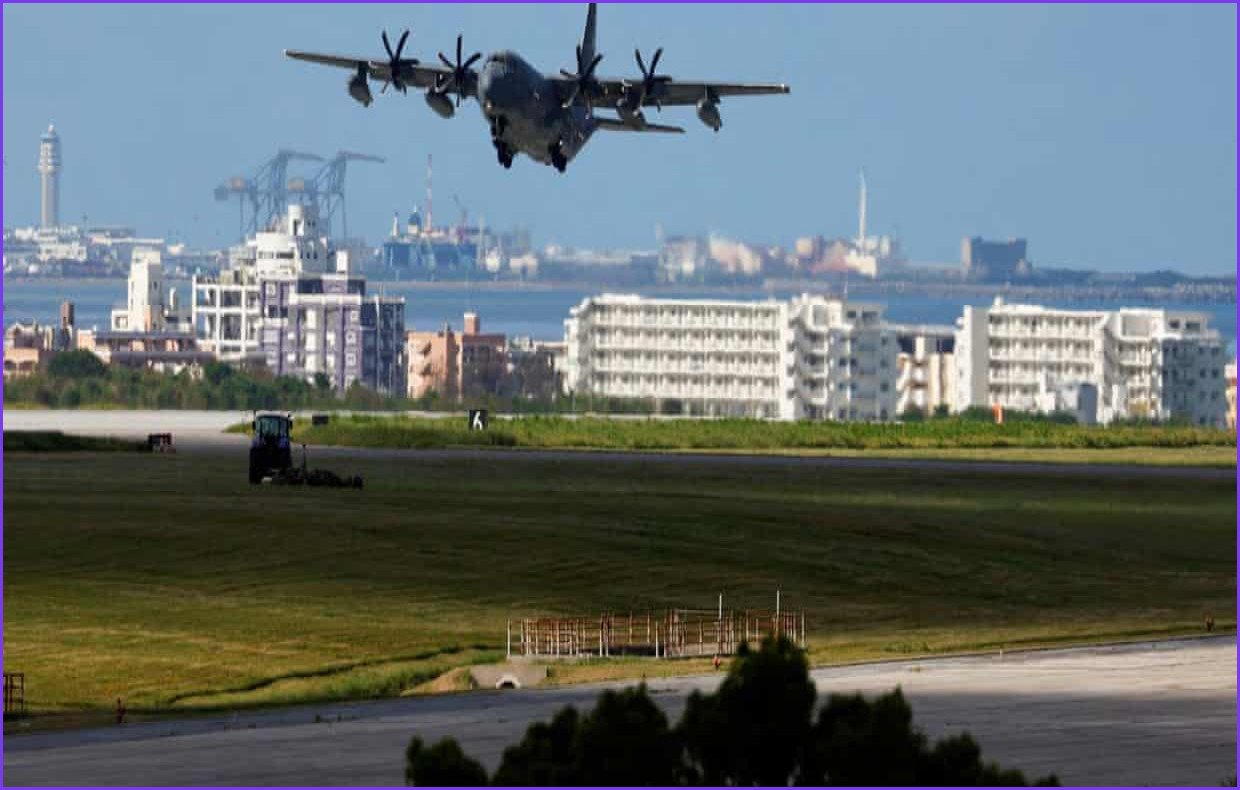
The United States military has instituted a complete ban on vehicles manufactured by the Chinese electric vehicle giant BYD at Kadena airbase on the southern Japanese island of Okinawa, citing severe security concerns. The military command confirmed that the ban took effect this week at the installation, which serves as America's largest overseas air base in East Asia.
"These vehicles present an unacceptable and unmitigable risk to our personnel and our mission," stated Lieut. Col. Alli Stormer, a spokesperson for the US Air Force 18th Wing stationed at Kadena. Security personnel stationed at the base's gates have been instructed to block all BYD vehicles and order drivers to turn around. The restriction applies to all BYD models, including privately owned automobiles, delivery vehicles and drivers, and local taxis.
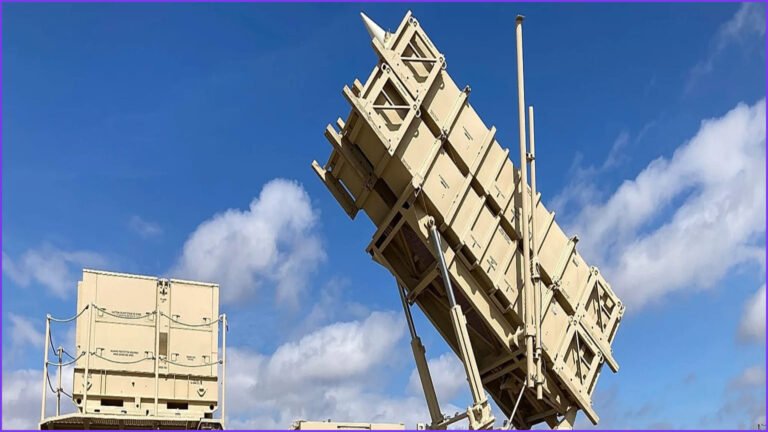
The security measure at Kadena has sparked speculation that similar bans could soon be extended to other US military facilities worldwide as part of Washington's ongoing crackdown on Chinese technology. Kadena plays a critical strategic role and would be directly involved in responding to any potential crisis involving China, Russia, or North Korea. The facility hosts high-value military hardware, including the Typhon missile system—capable of firing Tomahawk missiles as far as 1,600 kilometers, putting portions of mainland China and Russia within striking range—as well as fighter jets, mid-air refueling tankers, surveillance, and reconnaissance aircraft.
While US military officials have not cited a specific intelligence breach, South Korea's Yonhap news agency reported that the decision stems from concerns over potential data leaks through vehicle-mounted systems such as cameras, sensors, and GPS devices. The move reflects broader actions taken by the US and other Western nations to restrict Chinese smart technology in vehicles and mobile devices over espionage fears.
In June, the Pentagon added BYD to a list of 188 Chinese companies believed to have ties to the Chinese military, drawing official protests from Beijing. That list also includes electric carmaker Nio, e-commerce giant Alibaba, and search engine company Baidu. The security restriction mirrors earlier measures imposed by China on American automaker Tesla. In 2021, Beijing barred Tesla vehicles from certain government compounds over security concerns regarding external cameras, though that restriction was lifted in 2024 after Tesla earned an endorsement from China's top automotive industry association.
BYD, which surpassed Tesla in 2025 as the world's top seller of battery-electric vehicles, has not publicly responded to the Kadena base ban. The automaker has been actively expanding its global presence, including in Japan, the world's fourth-largest automotive market, where it launched its Racco electric minicar in July to gain market share in a region dominated by Japanese brands.