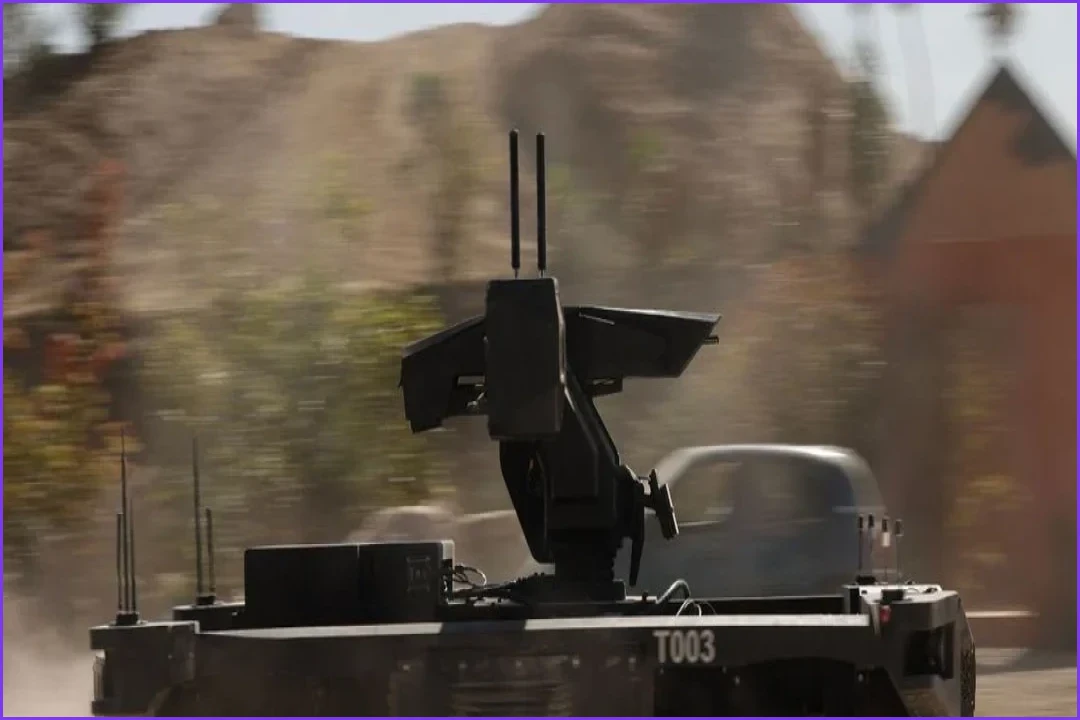
Following five days of intensive negotiations in Geneva, 128 countries party to the Convention on Conventional Weapons (CCW) have reached a consensus to begin the development of an international agreement regarding lethal autonomous weapons systems. The decision, finalized early on Saturday at the Review Conference, mandates that the process of creating this international instrument will take place over the next two years.
Conference president Julien Thoni confirmed the development to reporters, noting that the agreement paves the way for establishing rules on systems capable of selecting and engaging targets without direct human intervention—a move necessitated by the rapid integration of artificial intelligence into modern warfare. Thoni indicated that the upcoming process will focus on identifying which specific weapons may require prohibition under international humanitarian law and which can be appropriately regulated. He also noted that some participating states objected to the term "negotiate," leading delegates to settle on the word "elaborate" instead.
The path to this agreement was complicated by significant divisions among the member states, as the CCW requires full consensus for any decision. While the majority of nations advocated for a legally binding treaty, countries possessing advanced autonomous weapons technology—including the United States and Russia—expressed reluctance toward accepting such restrictions.
The outcome has faced criticism from advocacy groups who argue the mandate is insufficient. The Stop Killer Robots coalition described the decision as a "watered-down" measure that fails to provide a clear trajectory toward a legally binding agreement. Nicole van Rooijen, executive director of the coalition, warned that the deployment of autonomous weapons technology in targeting cycles is already occurring on the battlefield. "Delaying the creation of a legally binding instrument puts civilians and humanity at risk," she added. Verity Coyle, deputy director for arms at Human Rights Watch, echoed these concerns, calling the result "disappointing" and arguing that it fails to provide the urgent action required while the technology continues to advance rapidly.