KRAKOW, Poland — In the initial days of Russia’s full-scale invasion of Ukraine on February 24, 2022, Polish volunteers welcomed millions of fleeing refugees with open arms. Nastya Podorozhnya, a Ukrainian migrant who was already living in Poland when the conflict began, rushed back to her homeland to help her sister and nieces escape. As she returned to Poland amidst the massive influx of displaced people, she observed the immense goodwill but also recognized an emerging danger: vulnerable Ukrainian women accepting help from well-meaning or unknown strangers could easily fall prey to human traffickers.
In response to this risk, the 29-year-old founded Martynka, a helpline and support network dedicated to assisting female Ukrainian refugees escaping gender-based violence. Four years later, however, Podorozhnya is fighting a difficult battle to keep the organization running. Support for refugees is rapidly drying up, public hostility toward Ukrainians is on the rise, and Poland has yet to implement a long-term integration strategy. As war fatigue deepens across the region, political figures have increasingly tapped into anti-refugee sentiment to secure political leverage.
The consequences of this shifting climate are directly impacting groups like Martynka. While securing donations was relatively simple during the early months of the war, international donors have since redirected their financial resources to other global crises. Martynka's shelter, operating out of an unassuming two-bedroom apartment in central Krakow, has provided a safe haven for more than 100 women and children. The shelter helps these individuals escape abusive situations, secure medical care, access psychological support, and find employment and housing.
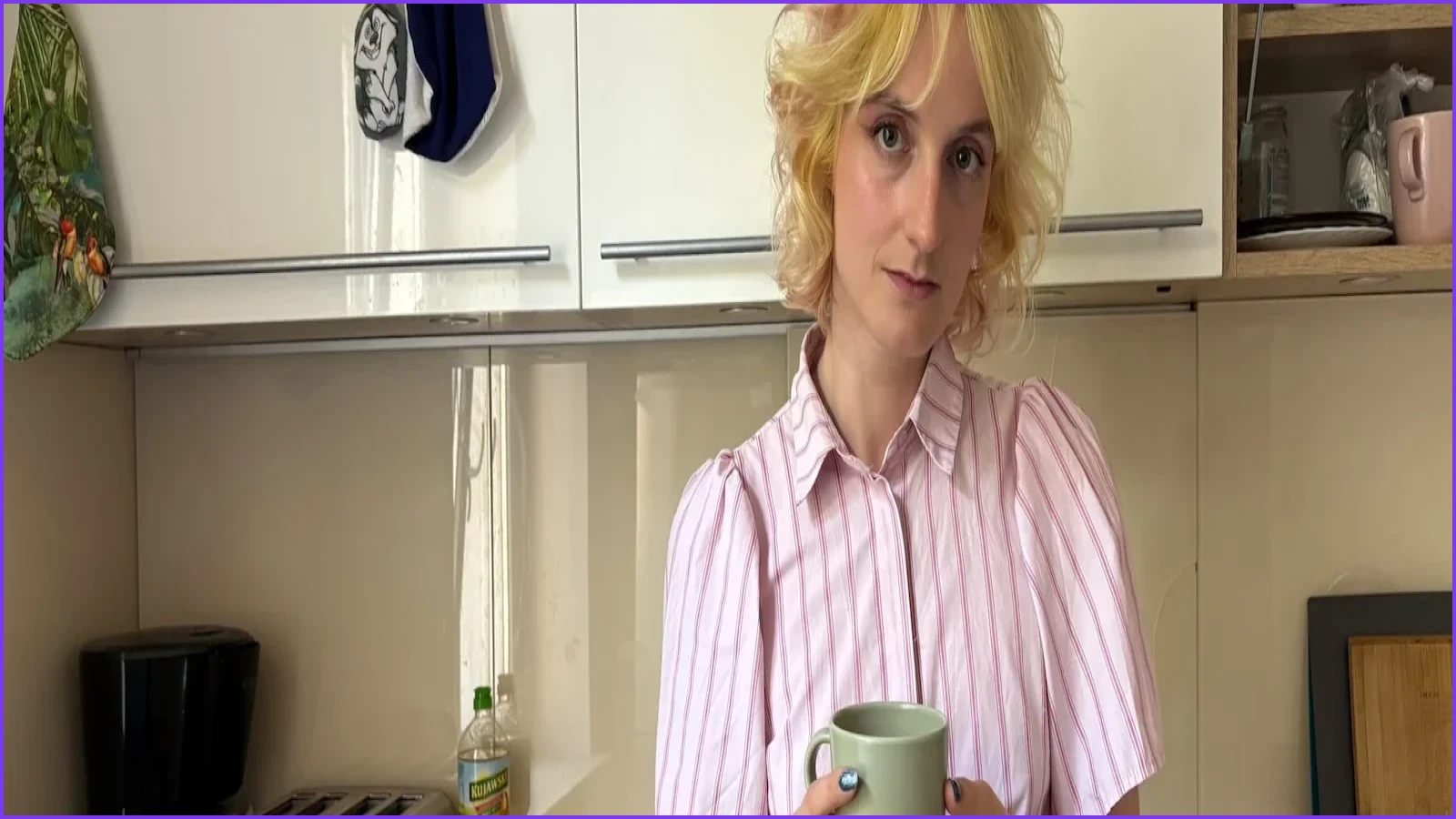
Podorozhnya, speaking from the shelter's kitchen, recalled how her own past experiences connect her to the women she helps. In 2016, she survived an attempted street rape in Poland. “It often starts with me having tea in this very kitchen with the women and they tell me what happened to them and I say ‘girl, same,’” she shared. Today, as she and her colleagues struggle to raise the necessary funds to keep the shelter's doors open, their public appeals for donations frequently attract a barrage of online harassment. Podorozhnya attributes this hostility directly to her nationality, stating, “It's because I’m Ukrainian.”
The environment has changed drastically since the war's outbreak, when approximately 3.5 million Ukrainians crossed into Poland in the first few weeks. Polish citizens met them at transit hubs and welcomed them into their homes, while the government provided access to the local labor market and social security benefits. By the end of 2022, the refugee population in Poland stabilized at roughly 1 million. Those who remained integrated quickly, with more than 70% finding employment. A study by Deloitte estimated that these refugees contributed 2.7% of Poland's gross domestic product in 2024. This population joined over 1 million Ukrainians who had already been residing in Poland prior to the war, mostly as economic migrants.
Despite these contributions, Ukrainian refugees have increasingly become the targets of hostile rhetoric. Research published this year by Olena Babakova, a researcher at Warsaw's Vistula University, indicates that anti-Ukrainian sentiments intensified significantly during the 2025 Polish presidential campaign. Babakova noted that the rhetoric became a mainstream political theme utilized by all major parties, not just those on the far right.
Karol Nawrocki, representing the national-conservative political camp, won the presidency after promising legislation that would prioritize Polish citizens over Ukrainians in accessing public services. Meanwhile, liberal candidate Rafał Trzaskowski proposed limiting child welfare benefits for Ukrainian refugees.
These political tensions have been further exacerbated by historical grievances. In June, Ukrainian President Volodymyr Zelenskyy named a military unit after a Ukrainian paramilitary group accused of massacring Polish civilians during World War II, sparking widespread outrage in Poland. In response, Nawrocki withdrew a state honor previously awarded to Zelenskyy, deepening the diplomatic rift. According to Babakova, this political friction translates directly into daily life, with Ukrainians experiencing genuine hostile interactions and physical attacks.
Polish police statistics reflect this rising hostility. By mid-July of this year, 180 Ukrainian citizens had been victims of prejudice-motivated crimes, representing a sharp escalation compared to the 275 cases recorded during the entirety of 2025 and 267 in 2024. Following multiple reports of Ukrainians being assaulted on Polish streets over the summer, Prime Minister Donald Tusk declared in late July that the country “must wage war on violence and hatred.”
At the same time, the Polish government has steadily rolled back financial and social support for Ukrainian refugees, arguing that many have successfully stabilized their living situations. However, Poland's ombudsman has cautioned that these cuts disproportionately harm the most vulnerable, such as older individuals, those with chronic illnesses or disabilities, and single mothers caring for multiple children. Because Ukrainian men of military age, between 23 and 60, are generally barred from leaving Ukraine, single mothers represent a disproportionately large segment of the refugee population.
Yuliia Repenko of the Ukrainian House, an NGO assisting migrants, confirmed that her organization is increasingly serving individuals who are highly vulnerable to social exclusion. In defense of the policy shifts, Katarzyna Nowakowska, Poland's deputy minister for family, labor, and social policy, stated that the most vulnerable applicants continue to receive direct state aid, and suggested that other refugees requiring assistance should contact local social workers.
Compounding the reduction in state support is a steep decline in international aid. Data from the United Nations refugee agency reveals a steady drop in funding for Ukrainian refugee support since 2022. This year, only half of the agency's identified funding needs have been met by international donors, compared to 94% in 2022.
Sonia Novytska, a helpline worker at Martynka, noted that while donors have moved on, the war remains deadly and ongoing. “Financial supporters have moved on from helping Ukrainian refugees, but the war is still ongoing,” she said. “If anything, it has become deadlier since the start.” Martynka received around 1,800 requests for assistance last year, and staff anticipate that number will continue to grow. The helpline now receives calls not only from victims of violence but also from desperate mothers unable to afford basic food and shelter for their children. Podorozhnya emphasized that without their support, these vulnerable individuals could end up homeless or turn to substance abuse out of sheer despair. “Martynka does the job of the Polish state,” she said.