Ukrainian forces launched a massive aerial assault against Russia overnight, deploying more than 1,000 drones across the country. The operation, which took place as the Kremlin concluded its third and final day of parliamentary elections, included hundreds of drones specifically aimed at the Russian capital, Moscow.
Moscow Mayor Sergei Sobyanin characterized the event as the largest attack on the capital to date. He reported that 450 drones were destroyed while en route to the city, though the strike caused damage to the Moscow Oil Refinery and a residential building. Local governor Andrei Vorobyov stated that the attack resulted in two fatalities across the wider Moscow region—a 74-year-old man and a 44-year-old woman—while 20 other people sustained injuries.
President Volodymyr Zelenskyy confirmed the use of a variety of weapons, including domestically produced Flamingo and Pelican missiles, to target Russian logistics and oil facilities. Describing the strikes as a way to pressure the Russian economy, Zelenskyy stated, "These are billions of dollars that sustain the war machine."
The Russian Ministry of Defense reported that its air defenses successfully intercepted 1,100 drones across the country, including strikes over the Black Sea and the Crimean peninsula, which Russia illegally annexed in 2014. Despite the scale of the bombardment, Mayor Sobyanin suggested the attack was an attempt to disrupt the ongoing parliamentary voting, asserting, "The enemy failed in this regard."
These elections mark the first wartime parliamentary vote in Russia, held in a political climate largely devoid of opposition to President Vladimir Putin. Notably, the voting also took place in four Ukrainian regions that Moscow has illegally annexed but does not fully control. Kyiv has denounced these electoral activities as illegal.
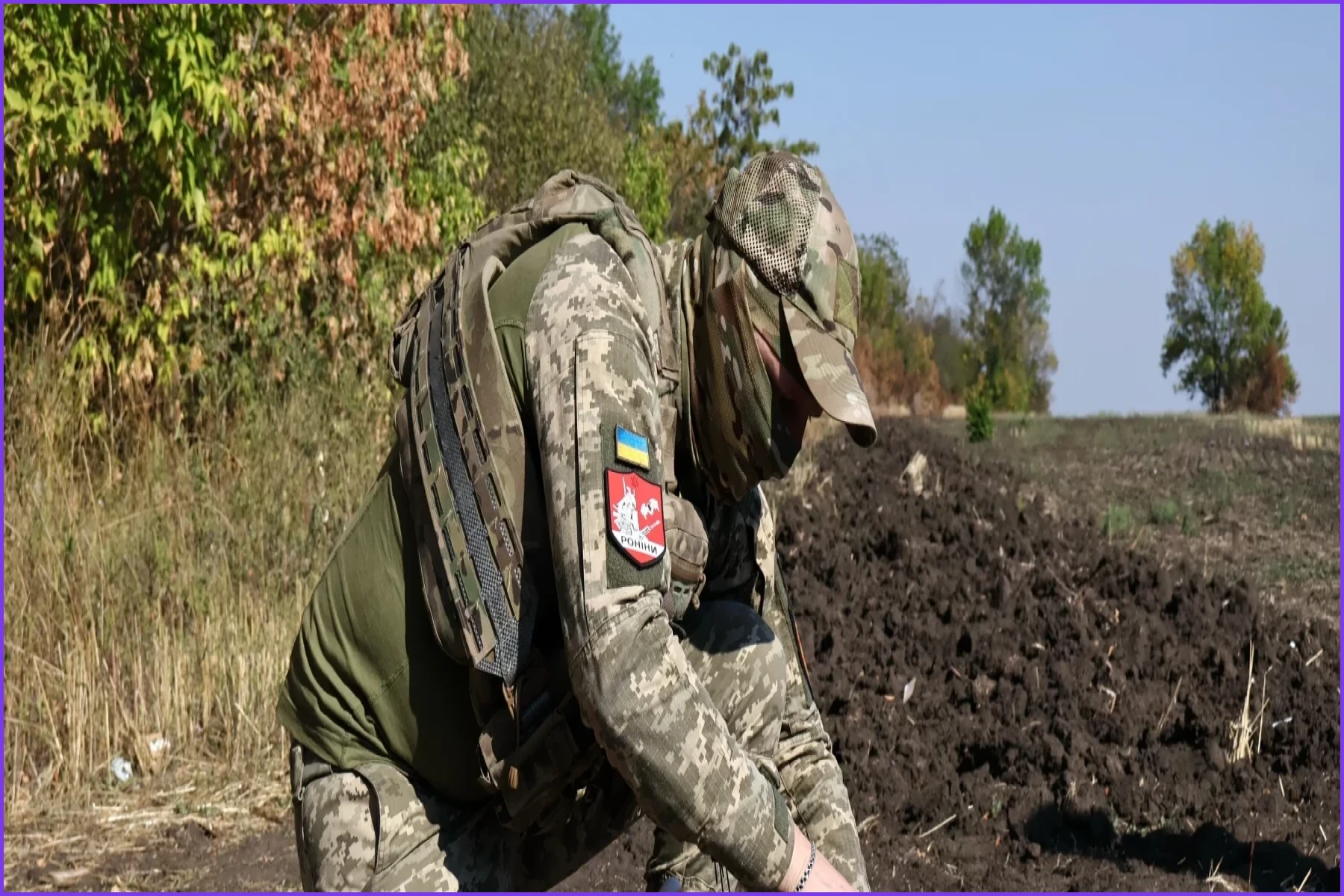
Since the start of the invasion more than four years ago, Ukraine has emerged as a significant global player in drone technology. By deploying long-range, domestically manufactured drones alongside missiles, Kyiv aims to bring the consequences of the war directly to the Russian public. This strategy is intended to exert pressure on President Putin to negotiate a peace settlement, although the Russian leader has shown no indication of halting his invasion. Both nations are currently locked in an escalating duel of long-range strikes as ground combat along the 1,250-kilometer front line remains restricted by the heavy use of drones and robotics.
In this photo provided by Ukraine's 65th Mechanized Brigade press service, a Ukrainian soldier prepares an FPV drone to fire towards Russian positions in Zaporizhzhia region, Ukraine, Saturday, Sept. 19, 2026. Andriy Andriyenko/Ukrainian 65 Mechanized brigade/ AP hide caption
Instead, Moscow and Kyiv have been drawn into an escalating duel of long-range aerial strikes as fighting along the roughly 1,250-kilometer (780-mile) front line in eastern and southern Ukraine has slowed, restricted by large numbers of drones and ground robots threatening troop movements.