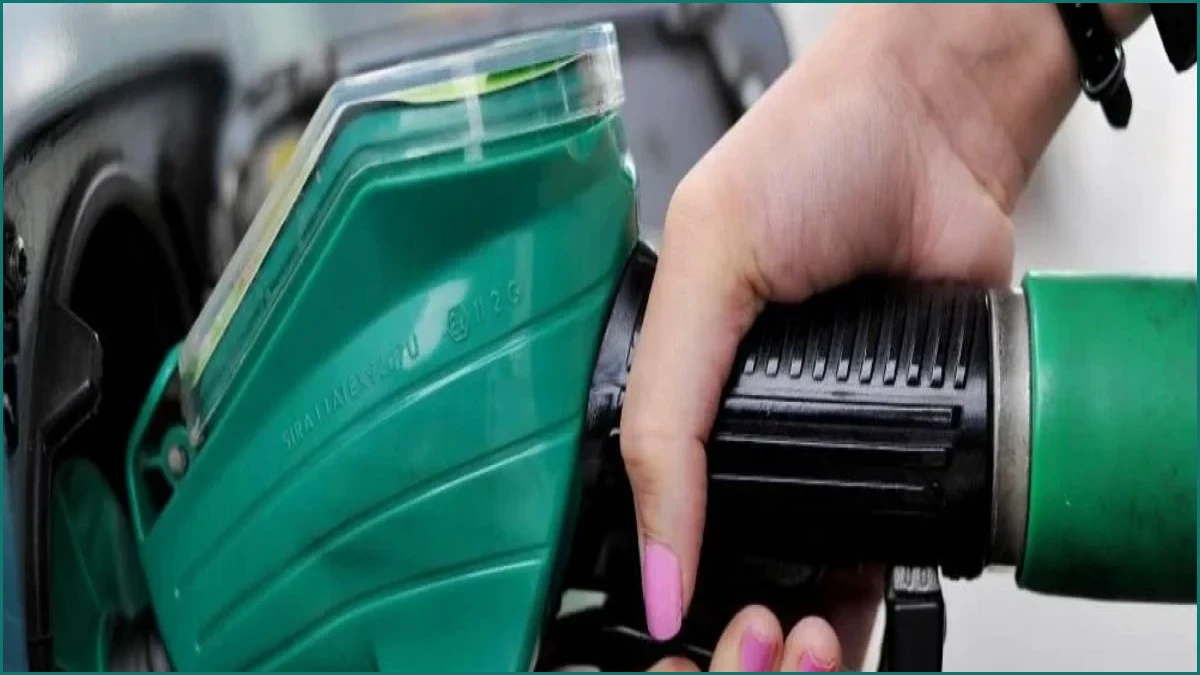
Drivers in the UK have stolen nearly £200,000 worth of fuel from petrol stations every day since the onset of the conflict in Iran. According to data from the theft prevention firm Forecourt Eye, incidents of fuel being taken without payment have surged by 20% in the five months following February 28. This increase follows global supply chain disruptions in the Middle East, which led to a spike in wholesale oil prices and subsequently higher costs at the pump for British consumers.
Analysis conducted by Forecourt Eye, based on a representative sample of 550 forecourts, indicates that the value of stolen fuel has climbed by 48% compared to the five-month period preceding the conflict. This puts the estimated daily average loss at £194,000. When extrapolated across the UK's 8,359 petrol stations, the average number of daily incidents has risen to 2,872, compared to approximately 2,400 before the war began.
These incidents encompass both motorists driving away without attempting to pay and those claiming they lack the means to cover the cost after filling their tanks.
The volume of fuel stolen has also seen a marked increase of 24%, rising from an estimated 87,000 litres to 108,900 litres per day. Beyond the financial loss, Forecourt Eye reports that station staff are experiencing a rise in abuse, intimidation, and violence from frustrated customers. Petrol prices reached their highest level since 2022 last week, with the company noting similar trends in theft following the outbreak of the Russia-Ukraine war in early 2022.
The situation has drawn political attention, with Chancellor John Healey vowing that the government would monitor the sector closely for any signs of price gouging, though he acknowledged there was no significant evidence of it currently. Former Prime Minister Sir Keir Starmer and other ministers previously stated the government would intervene if consumers were being unfairly targeted, a stance that sparked a row with the Petrol Retailers Association (PRA), which criticized the government’s use of "inflammatory language."
The Competition and Markets Authority reported in May that there was no widespread evidence of price gouging following the conflict, though it is currently investigating why fuel margins increased between February and March for two supermarkets and three non-supermarket retailers. Meanwhile, the British Retail Consortium argued that competition among supermarkets has kept prices as low as possible, noting that rising retail costs are largely driven by higher National Insurance contributions, increased packaging taxes, and a failure to reform outdated business rates.
Andrew Opie, the BRC director of food and sustainability, stated that retailers remain committed to delivering value to customers despite these ongoing pressures.
The new chancellor told the Sunday Telegraph there was no significant evidence of this but he would be "watching closely" for any suggestion the public were being "taken for a ride at the pump or the till".
The PRA was approached for comment regarding Healey's remarks.