A U.S. official confirmed that interim Venezuelan President Delcy Rodriguez has granted a 100-year concession to a private joint venture, providing the U.S. government with control over oil fields containing an estimated 65 billion barrels of petroleum. This partnership is described as a joint project between the U.S. government and an experienced private operator currently active in Venezuela.
According to the official, the U.S. government will maintain a 55% stake in the venture, which includes both equity and the right to secure oil from the project at cost. This entity is expected to become the second-largest corporate owner of proven oil reserves globally, trailing only Saudi Aramco. While the identity of the private partner remains undisclosed, the deal follows recent efforts by the Trump administration to encourage American firms to return to the region, including easing sanctions on the Venezuelan oil industry.
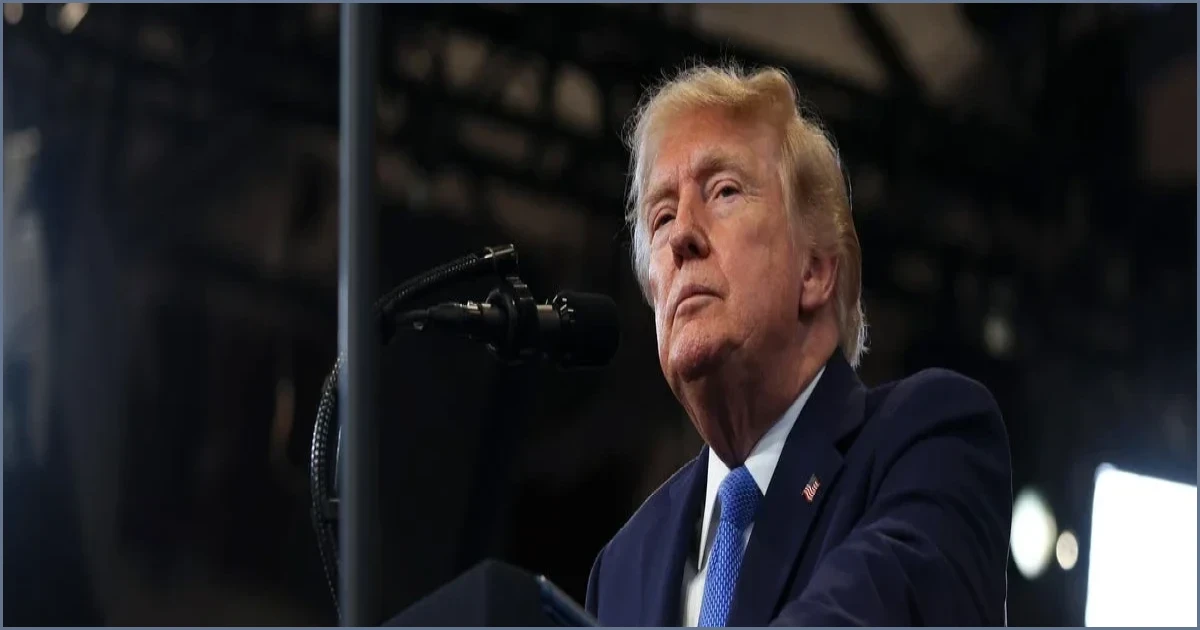
President Trump highlighted the significance of the agreement on Truth Social, stating that the transaction more than doubles American oil reserves, expands the national supply, and is expected to lower gas prices for Americans. He also expressed hope that the move will help guide Venezuela toward future success and prosperity.
The agreement marks a notable shift for Venezuela, which holds the world's largest proven oil reserves at over 300 billion barrels, according to the U.S. Energy Information Administration. For decades, the country’s energy sector has struggled with infrastructure decay, underinvestment, and the effects of international sanctions. Many major firms, such as ExxonMobil and ConocoPhillips, exited the market following the nationalization of assets under former President Hugo Chávez. Chevron remains the only major U.S. company that has consistently maintained a presence in the country.
The landscape for this investment remains complex. During a White House event earlier this year, ExxonMobil CEO Darren Woods described Venezuela as an "uninvestable" environment given the country's history of seizing foreign assets. Woods noted that his company had its assets seized twice and would require significant legal and economic reforms to consider a return. Despite these industry concerns, the recent cooperation between the Trump administration and the leadership of Delcy Rodriguez—who assumed power following the capture of Nicolás Maduro in January—has facilitated the new legislative framework allowing private companies to manage oil extraction.
Since then, Mr. Trump has encouraged American companies to reenter Venezuela, meeting with executives of major oil and gas firms to pitch them on the country's vast oil reserves. The U.S. Treasury Department has eased sanctions on Venezuela's oil industry, and Rodriguez signed legislation that allows private companies to manage oil extraction.
Others have expressed some hesitation, pointing to the fraught history of Venezuela's oil industry. During a White House event earlier this year, ExxonMobil CEO Darren Woods said "there's an opportunity in Venezuela," but he called the country "uninvestable" until changes are made to the country's legal and economic system. He noted that ExxonMobil's assets in Venezuela were subjected to two different waves of nationalization in the 1970s and 2000s.