President Donald Trump issued executive action on July 20 to implement a 50% tariff on a broad spectrum of imports originating from Canada. According to administration officials, the decision serves as retaliation against what the White House describes as discriminatory trade practices within specific industries that disadvantage the United States.
The new tariffs are scheduled to take effect on August 19. They apply to a diverse range of products, including wine, dairy, hockey sticks, and cement. However, the policy excludes several categories, such as energy, potash, fish, and critical minerals. All other Canadian exports, including items previously designated as tariff-free under the 2019 United States-Canada-Mexico agreement, are now subject to the levy.
Administration officials, who spoke on the condition of anonymity, framed the action as a series of defensive measures. They specifically pointed to Canadian trade policies regarding automobiles, alcoholic beverages, and dairy products. Officials noted that within the past year, nearly every Canadian province has ceased purchasing alcohol from the U.S. while continuing to import from other nations. Additionally, Canada has maintained tariffs on U.S. automobiles and enforced restrictive tariff-rate quotas on American cheese that exceed those applied to the European Union.
To formalize these measures, President Trump signed three proclamations invoking Section 338 of the Tariff Act of 1930, also known as the Smoot-Hawley Tariff Act. This legal route follows a February Supreme Court ruling that blocked the administration from using the International Emergency Economic Powers Act of 1977 to unilaterally impose tariffs.
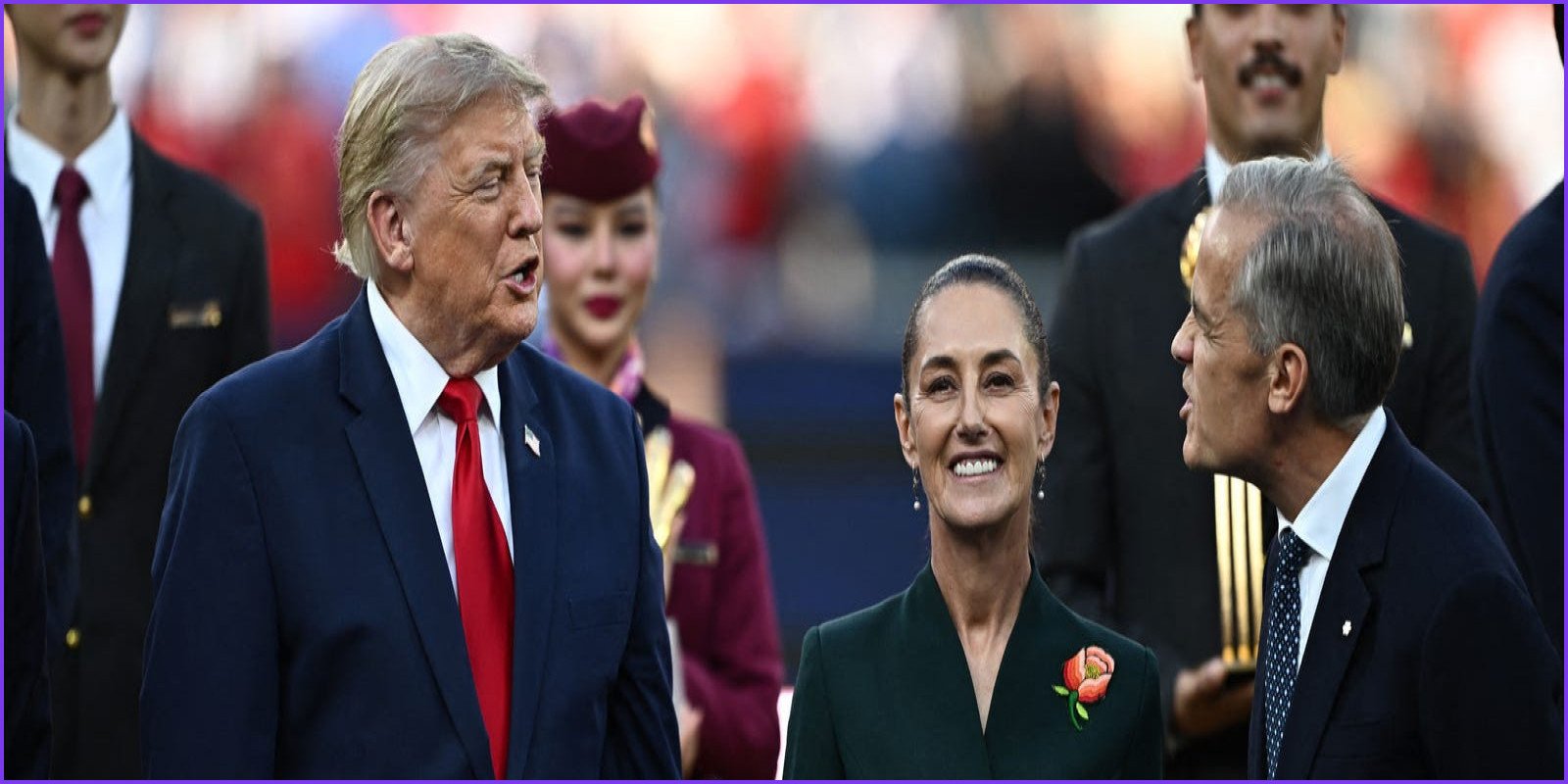
Beyond trade disputes, the announcement coincides with President Trump's public frustration regarding wildfire smoke drifting from Canada into the United States. Trump recently commented on social media about the "filthy, polluted, and unhealthy air" and suggested that the cost of addressing this pollution should be factored into current tariff structures. During a conversation with Mark Carney following a World Cup match, Trump emphasized the need to stop the fires from "poisoning our air," suggesting that Canada should pay damages or face further economic measures. Trump added, "Maybe they should pay us some damages or something, or we should do some tariffs."
This latest move threatens to escalate a long-standing trade conflict between the two nations. For over a year, both countries have targeted each other’s exports. Previous actions include 25% tariffs on automobiles, 50% on steel and aluminum, and 10% on lumber, all of which have impacted goods crossing the border. While the current 50% tariff focuses on trade practices, an administration official confirmed that the White House is still exploring options regarding a potential response to the wildfire situation. Reach Joey Garrison on X @joeygarrison.