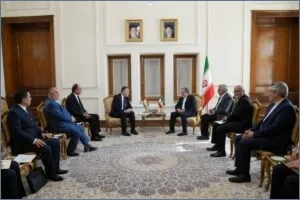
Tajikistan and Iran have reached a finalized framework for a long-term agreement to export Iranian oil to Tajikistan, a move intended to alleviate the energy shortages currently impacting the Central Asian nation. This diplomatic progress follows a high-level meeting held in Tehran on August 15, where a Tajik delegation led by Minister of Energy and Water Daler Juma consulted with Iranian officials. The discussions covered the potential import of various Iranian oil products, including crude oil, jet fuel, and diesel.
According to the semi-official Mehr News Agency, the two nations have agreed to form a specialized working group to address the technical and logistical complexities of this energy cooperation. Minister Juma emphasized the urgency of the situation, noting that Tajikistan is actively seeking to boost fuel supplies from Iran while simultaneously managing significant logistical challenges. The necessity for this agreement is underscored by Tajikistan's current reliance on Russia, which typically supplies approximately 90 percent of the country's oil imports. Increased attacks on Russian oil infrastructure have created a fuel shortage across Central Asia, forcing governments to scramble for alternative suppliers and routes.
The impact of these shortages has been felt by the Tajik public, with reports of rationing, long lines at gas stations, and rising costs. By June, diesel prices in Tajikistan were 21.1 percent higher than the five-year average, while petrol prices were 13.2 percent above that average. In July, Minister Juma reported that national fuel reserves were expected to last for approximately 60 days. These economic pressures coincide with a broader period of global energy market volatility and ongoing tensions involving the United States and Iran.
To facilitate the movement of these goods, Tajikistan, Iran, and Afghanistan signed a transit agreement in mid-July in the Iranian city of Mashhad. This deal aims to establish an overland corridor for Iranian commercial cargo to reach Tajikistan. While a trial shipment is planned for August, the route's long-term viability remains uncertain due to security risks in Afghanistan’s Badakhshan Province, which borders Tajikistan and has recently experienced conflict involving a new resistance group known as Sipahiyan-i-Mihan.
Government statistics indicate that trade between Tajikistan and Iran reached $119.6 million during the first three months of 2026, representing an 8 percent increase compared to the same period in 2025. While current trade primarily flows through Turkmenistan, Uzbekistan, and the South Caucasus, the proposed Afghan corridor represents a strategic, albeit potentially insecure, effort to secure a more direct supply link.