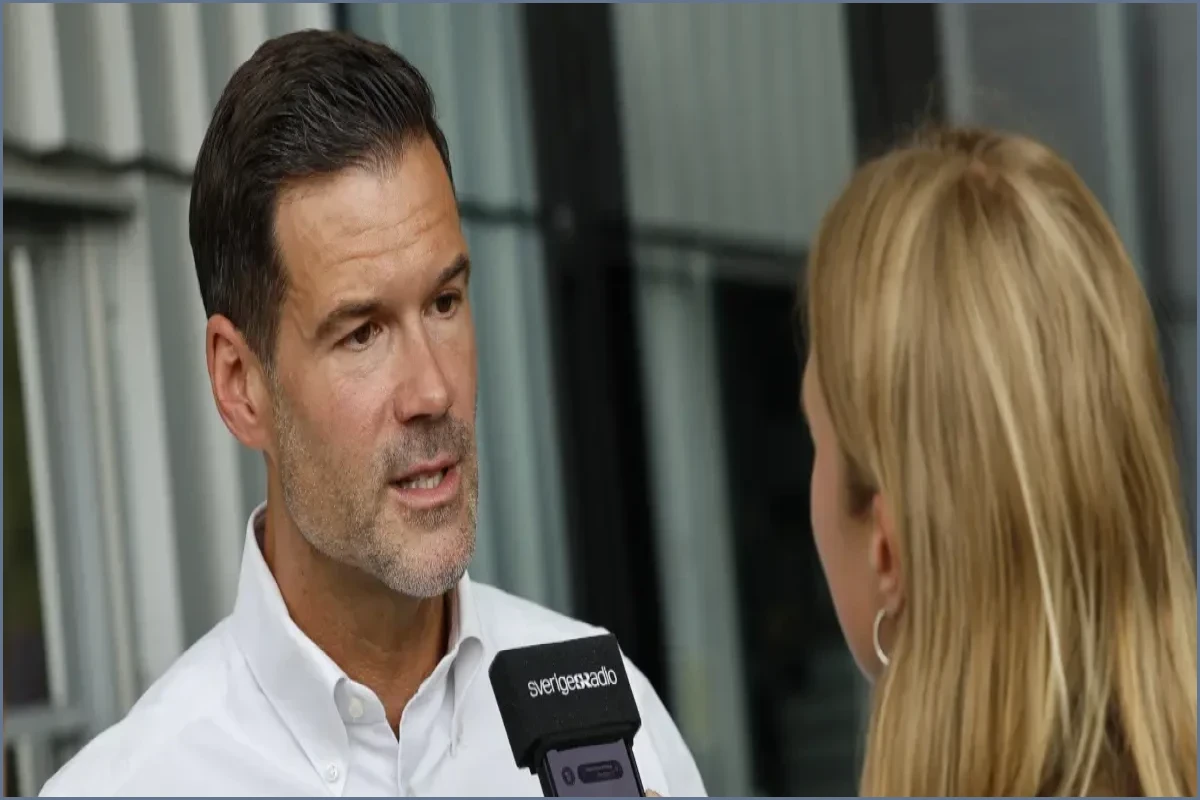
Swedish Migration Minister Johan Forssell has signaled a potential shift in the government's approach toward British nationals who were denied post-Brexit residency. Three years after the issue first gained public attention, Forssell told the public radio broadcaster Sveriges Radio that the government is actively evaluating whether to provide a second chance to those whose applications were previously rejected. The minister indicated that officials are looking into the possibility of following the lead of Denmark, which previously allowed British nationals who missed the post-Brexit residency deadline to reapply.
"That's the kind of thing we're going to look into, whether it's possible and how it has worked in Denmark," Forssell stated. This development follows a series of high-profile cases involving British nationals who were issued deportation notices despite having lived in Sweden for decades, a situation that has generated significant headlines both within Sweden and internationally. The Danish government had announced in 2023 that hundreds of British nationals who missed the post-Brexit deadline would be permitted to apply or reapply for residency status.
This potential policy change marks a notable departure from the stance of the previous administration. When asked about a similar reprieve in 2023, a spokesperson for then-migration minister Maria Malmer Stenergard told reporters that no such plans were being considered, even though the minister had previously expressed surprise upon learning about the high number of expulsions of British residents. Addressing the current situation, Forssell emphasized a commitment to the British community, stating, "As migration minister I am completely focused on helping the Brits. We want things to be as good as possible for Brits in Sweden, of course."
However, the minister also noted that individuals bear a degree of personal responsibility. He remarked that while it is a "very sad situation" and one he is "truly sorry about," many individuals had received several reminders from the Migration Agency to apply for a permit. This claim regarding reminders has been contested, as the Swedish Migration Agency, unlike authorities in many other countries, never contacted British residents directly. Instead, the agency relied on information published on its website, social media channels, and other public communication platforms.
Sweden’s post-Brexit policy has faced intense scrutiny due to its unusually high rejection rate. While the average rejection rate for residency applications across the European Union was approximately 4 percent, Swedish authorities rejected 27.5 percent of applications from British citizens. According to statistics from the UK-EU committee on citizens' rights, Sweden accounts for roughly one-third of all deportation or removal orders issued to British nationals across the entire EU following Brexit. The Migration Agency confirmed to The Guardian in September 2026 that 458 British citizens have been deported or forcibly removed by police since the UK left the EU.
The human impact of these rejections includes individuals such as John Sellers, who has lived in Sweden since he was ten and is currently stranded in the UK without a clear path to return to his Swedish wife; George Mason, who requires 24-hour care for Alzheimer's; and 78-year-old widow Joyce Thomas. In Denmark, the government had initially issued orders to leave to hundreds of British nationals after a technical error prevented the sending of reminder letters. Following criticism from rights groups, the Danish government extended the application deadline to the end of 2023. This approach was previously advocated by The Local's editor, Emma Löfgren, in a 2023 opinion piece.
The Withdrawal Agreement, under which Britain left the EU, was intended to protect the rights of British people living in the EU, giving them the legal right to stay in the EU country they lived in. Implementation was left up to individual countries.