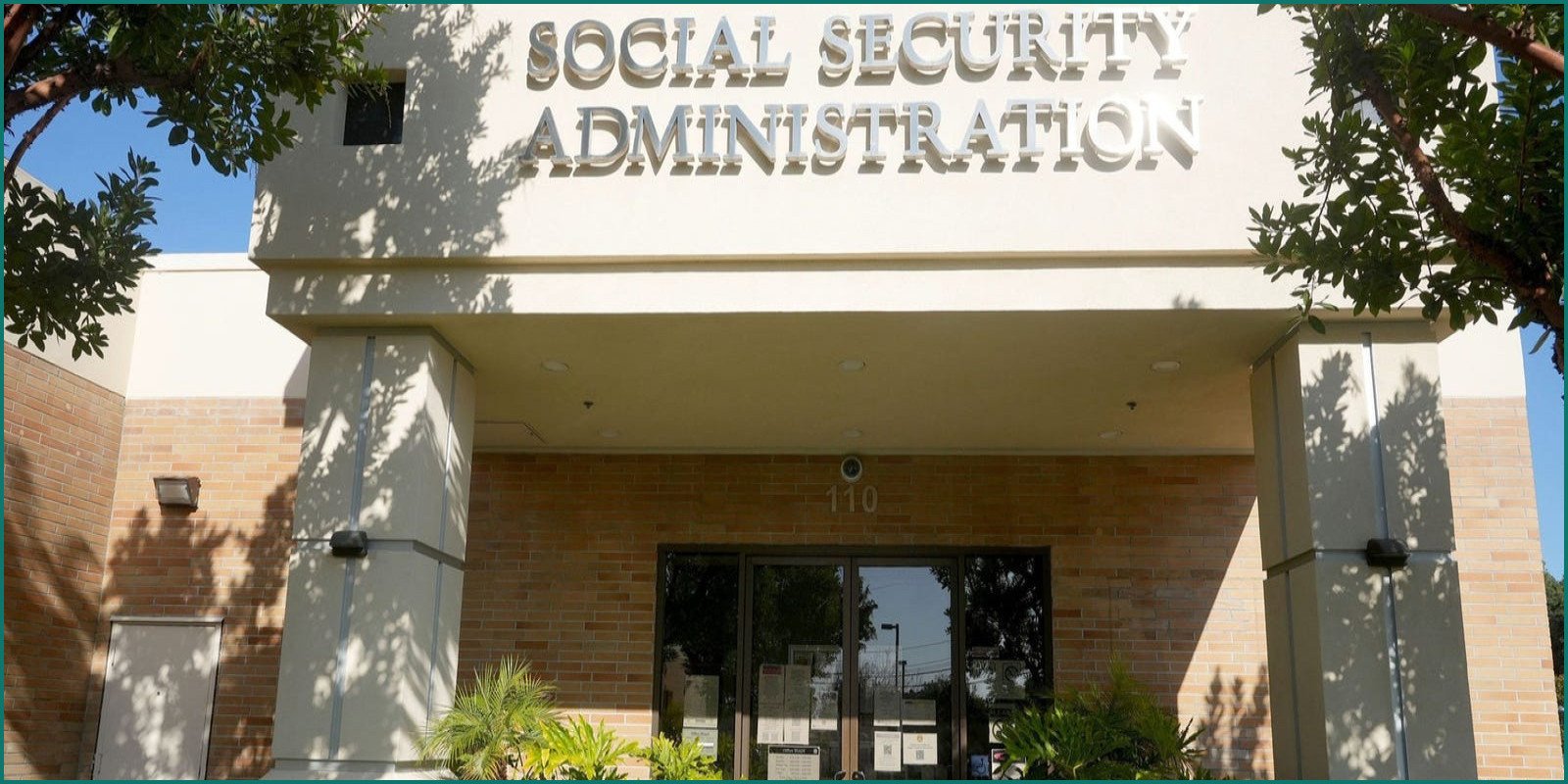
Average dual-income couples planning for retirement within the next six years could see their annual Social Security benefits drop by $16,900 if Congress fails to enact measures to bolster the program's funding. This projection comes from the Committee for a Responsible Federal Budget (CRFB), a nonpartisan, nonprofit think tank monitoring the nation's fiscal health.
The financial strain on Social Security stems from the expected depletion of its trust fund, which currently supplements incoming payroll taxes to cover monthly disbursements. According to program trustees, the fund is projected to run dry by the end of 2032. Once this threshold is crossed, federal law mandates that benefits be reduced by approximately 22% to ensure that program expenditures do not exceed incoming revenues. This timeline coincides with the point at which today’s 61-year-olds reach their normal retirement age and when current youngest retirees turn 68.
Analysts emphasize that the situation will only deteriorate if Congress remains inactive. The CRFB noted that benefit cuts are projected to widen over time as the gap between program costs and dedicated revenues increases, with estimates suggesting annual cuts could reach 35% by the end of the century.
The looming Social Security crisis is compounded by similar financial pressures facing Medicare. The fund supporting Medicare Part A, which covers inpatient hospital stays, skilled nursing, post-acute care, and hospice services, is expected to be depleted around the middle of 2033. At that stage, providers would only be reimbursed 89 cents for every dollar of Part A services rendered. Researchers Ciannah Correa and Erica Socker of Georgetown University's Medicare Policy Initiative indicated that this shortfall would necessitate either an 11% reduction in spending or significant tax increases. Beyond Part A, the researchers highlighted that the broader Medicare program, including Part B for outpatient care and doctor visits, as well as Part D for drug coverage, also faces challenges as costs for these services continue to rise, driving up beneficiary premiums and required tax revenues.
In response to these fiscal warnings, a bipartisan group of senators recently introduced legislation aimed at fast-tracking potential solutions. The proposal includes the creation of a seven-member Social Security Advisory Board tasked with drafting a bill to ensure the program remains solvent for at least the next 50 years. This legislation would then be introduced in the House and Senate for committee hearings and revisions, though it would ultimately require 60 votes in the Senate and a majority in the House to pass.
While analysts have welcomed the bipartisan effort, a concrete plan has yet to be developed. Proposed solutions have historically included increasing payroll taxes, raising the full retirement age, or implementing benefit caps, such as the CRFB's suggestion of a $100,000 ceiling for couples and a $50,000 limit for individuals. Former Social Security Administration Commissioner Martin O’Malley has advocated for raising the cap on earnings subject to payroll taxes as an alternative to benefit reductions. Despite the variety of proposals, experts remain concerned about political hesitation, noting that elected officials may avoid difficult reforms to protect their electoral prospects.