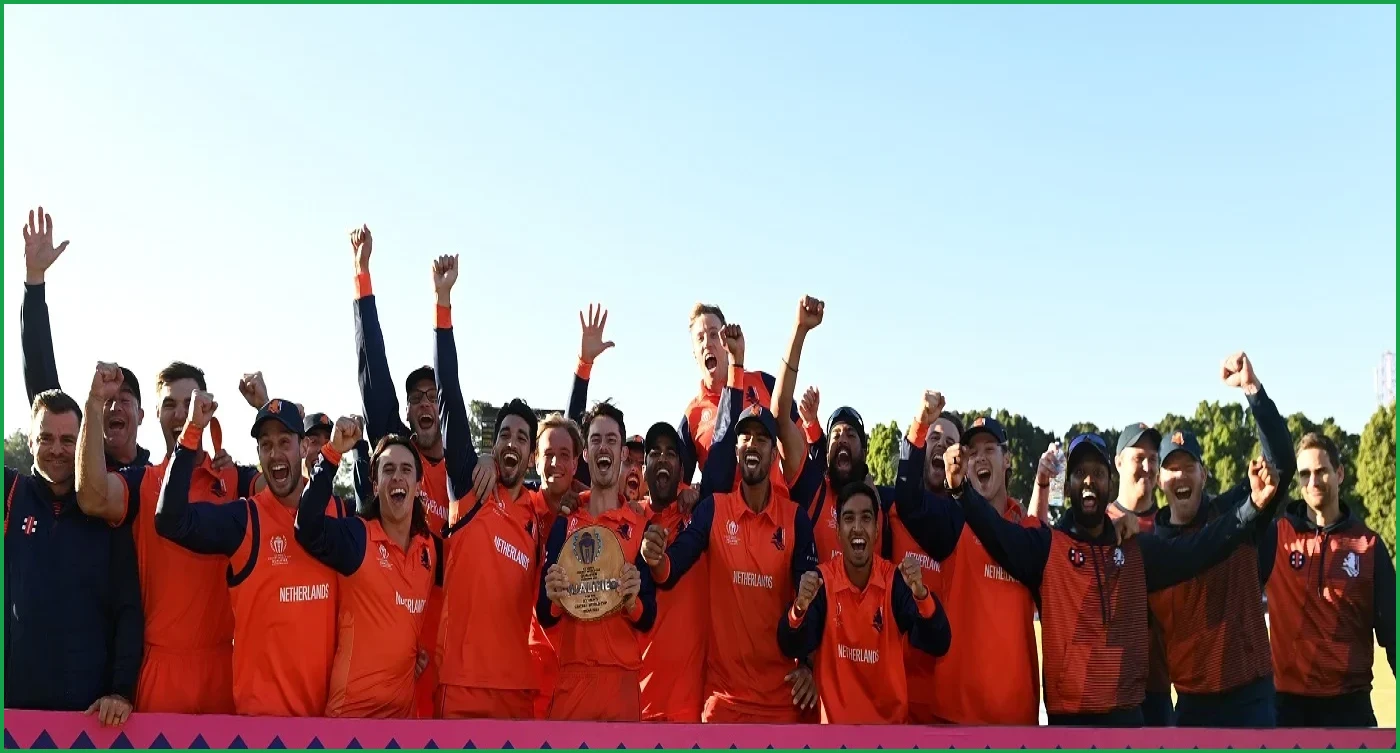
Cricket Scotland and the Royal Dutch Cricket Association (KNCB) have formally expressed their dissatisfaction with the ICC regarding the sudden restructuring of the Men's ODI World Cup 2027. The announcement, made with less than 18 months remaining before the tournament, introduces a new Super Series stage. This phase will force the 12th, 13th, and 14th ranked qualifying teams into a tri-series, with only one nation advancing to a second round featuring 12 teams split into two groups.
Following the initial announcement, both boards, alongside other Associate Members, held two meetings with the ICC to request official written communication and clarity on the decision-making process. In a joint statement released on Monday, the organizations revealed that they have received no response since their second meeting, which occurred over two weeks ago. They described this silence as both "disappointing and disrespectful."
The boards argued that these changes represent a significant setback for Associate Member cricket and threaten to undermine years of progress in global game development. They emphasized that at a time when cricket should be expanding its reach, reducing opportunities for emerging nations sends a negative message. The statement highlighted that such major decisions should only follow meaningful consultation and adequate notice, noting that the current timing prevents members from effectively contributing to the process or adapting their strategies.
The criticism echoes concerns previously raised by the captains of Namibia, Scotland, and the Netherlands through the World Cricketers' Association. Namibia Cricket chair Rudi van Vuuren also suggested that players should prioritize T20 cricket as a more reliable growth vehicle given the uncertainty surrounding the ODI path. The boards warned that changing structures mid-cycle without consultation creates instability, disrupts planning, and places undue financial and operational pressure on organizations with limited resources.
The joint statement concluded by stressing that success in cricket should be earned on the field, citing the inspiration provided when Associate nations challenge or defeat Full Members. The boards have called on the ICC to re-engage with Associate Members and commit to transparent, collaborative governance to ensure the long-term interests of the global game are served.