Saudi Arabia announced on Saturday that Yemen's Houthi rebels attempted to strike its capital, Riyadh, with a ballistic missile. This event represents the first time the Saudi capital has been targeted since the recent escalation in fighting with the Iran-backed rebels opened a new front in the regional war. According to the official statement, the attack was successfully intercepted. While some residents in Riyadh reported hearing an explosion and observing a plume of smoke near the airport, there were no reports of casualties or damage.
The Saudi statement further detailed that Houthi forces attempted to strike civilian infrastructure in the Red Sea port city of Yanbu, where a major Saudi pipeline terminates, as well as in Taif, Baysh, and Farasan. Authorities reported that these attempts were thwarted, though they provided no additional details. Earlier, the Houthis claimed, without providing evidence, that they had targeted sensitive sites in Riyadh and facilities of the Saudi oil giant Aramco in Yanbu, alleging that the strikes caused massive fires. Aramco, the world's largest oil company, did not respond to a request for comment.
Amid the military tension, Mohsen Rezaei, head of Iran's Supreme National Security Council, told Al Jazeera that Iran has conveyed its conditions for ending the war to the U.S. via Qatar and is awaiting a response from President Donald Trump. Rezaei stated that these conditions include ending the war on all fronts, releasing seized Iranian assets, and ending the U.S. naval blockade of Iranian ports. He also expressed that Iran wants the fighting involving Yemen and Saudi Arabia to conclude.
The head of U.S. Central Command, Adm. Brad Cooper, stated that the military has supported the transit of 1 billion barrels of oil through the Strait of Hormuz over the past two months. He claimed that Iran has exported zero barrels due to a U.S. blockade and that primary transit lanes have been cleared of mines. While Cooper noted that the volume of oil, natural gas, and cargo transiting over the past two weeks is the highest it has been in six months, monitors report that shipping traffic remains well below prewar levels. Iran continues to attack ships as it asserts control over the waterway.
Diplomatic efforts are also underway, as Pakistan's Foreign Minister Ishaq Dar discussed uninterrupted energy supplies and safe passage for commercial ships during a call with Iranian Foreign Minister Abbas Araghchi. Pakistan's Foreign Ministry stated that Dar cited the potential effects of disruptions on developing countries and global supply chains. Rising energy prices have increased pressure on Pakistani Prime Minister Shehbaz Sharif's government, with an Islamist party threatening to march on Islamabad unless fuel prices are lowered.
In other developments, Iran's state TV reported that the Tehran prosecutor's office filed charges against race organizers after women participated in a 10-kilometer race without covering their hair, which violated legal and Islamic Sharia requirements. Habib Sotoudehnejad, head of Tehran's sports department, noted that about 5% of participants violated the rules, which mandated separate races for men and women.
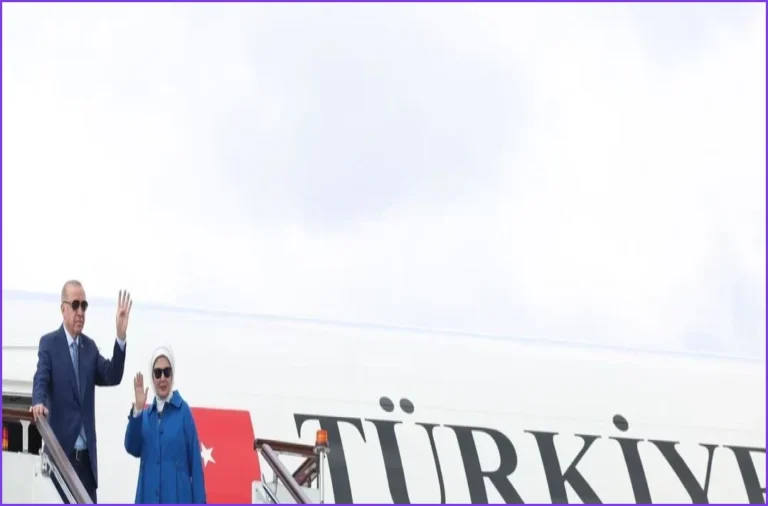
Turkish Foreign Minister Hakan Fidan suggested that Turkey could provide military support to Saudi Arabia under a recently signed defense pact. When asked about the possibility of the three-member alliance, which also includes Pakistan, engaging in military action against the Houthis, Fidan stated that Turkey would face no difficulty in meeting any military needs. He noted that Turkey observes very serious attacks on Saudi Arabia's territorial integrity and sovereignty and stands by its alliance agreement.
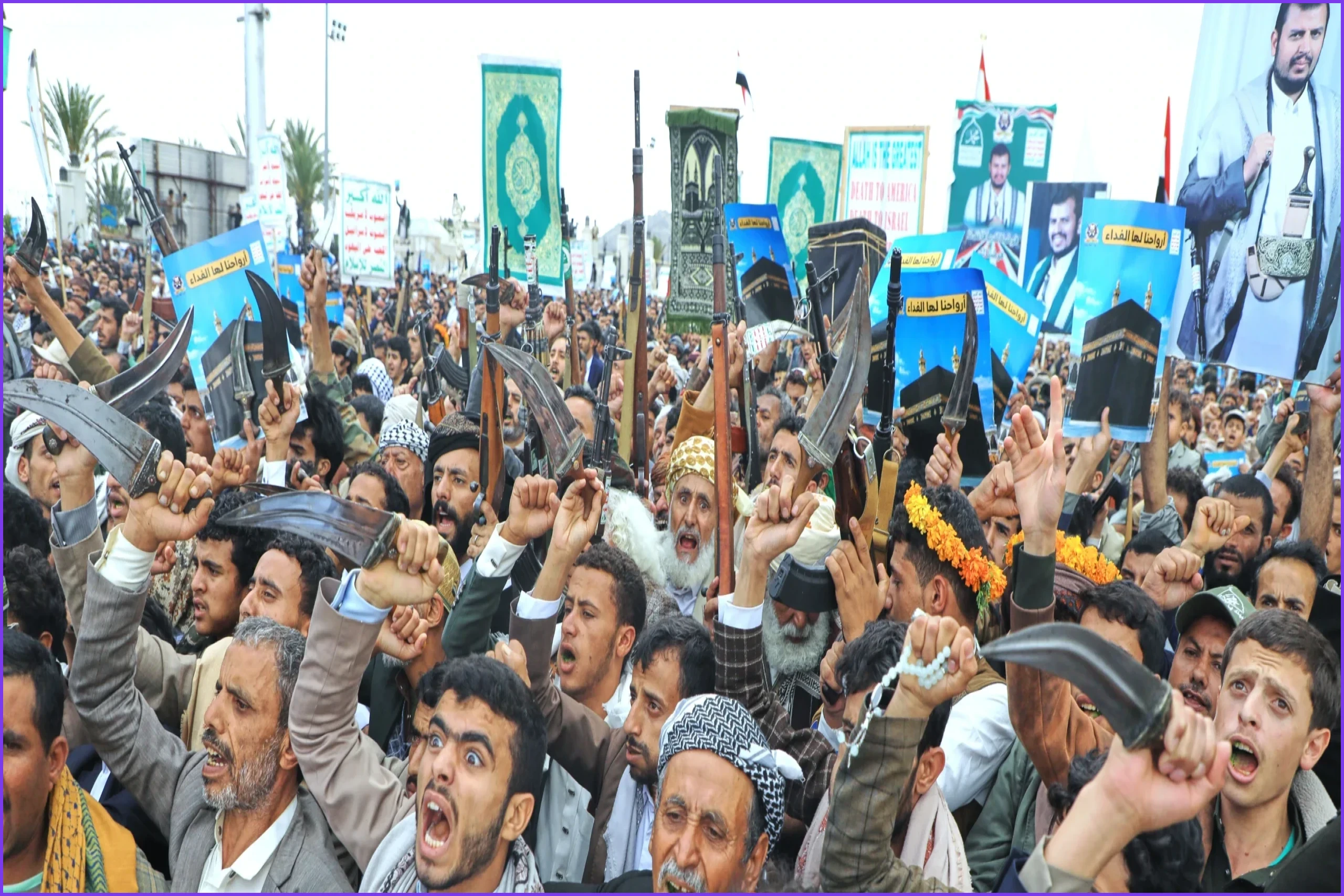
Supporters of Yemen's Houthi rebels shout slogans during a rally in support of the group in Sanaa, Yemen, Friday, Sept. 18, 2026. Osamah Abdulrahman/AP hide caption
Footage circulated online shows women running the 10-kilometer (6-mile) race without the hair covering. Habib Sotoudehnejad, head of Tehran's sports department, said about 5% of participants violated race rules. The race was run separately for men and women.