Russia and Ukraine are both striking farther into each other's territory, and neither side has a good way to stop the attacks. With no quick fix, the winter ahead could be especially hard. Air offenses far outstrip air defenses, and there is no sign this huge gap will be closed anytime soon. The situation has become a defining feature of the conflict, as both nations have developed fearsome offensive air capabilities that their defensive systems have failed to keep pace with.
In Russia, the impact of Ukrainian drone strikes is becoming increasingly tangible. These attacks are part of an open Ukrainian campaign to bring the war home to the Russian people. A notable target has been the country's largest online retailer, Wildberries, often referred to as Russia's Amazon. Near-daily strikes on warehouses have wiped out tens of thousands of small businesses whose owners seemingly have no connection to the war. More broadly, these attacks are chipping away at the idea that life can remain normal for many Russians despite the ongoing conflict and Western sanctions. Services like Wildberries, which once allowed citizens to buy what they wanted when they wanted, no longer offer that same sense of reliability.
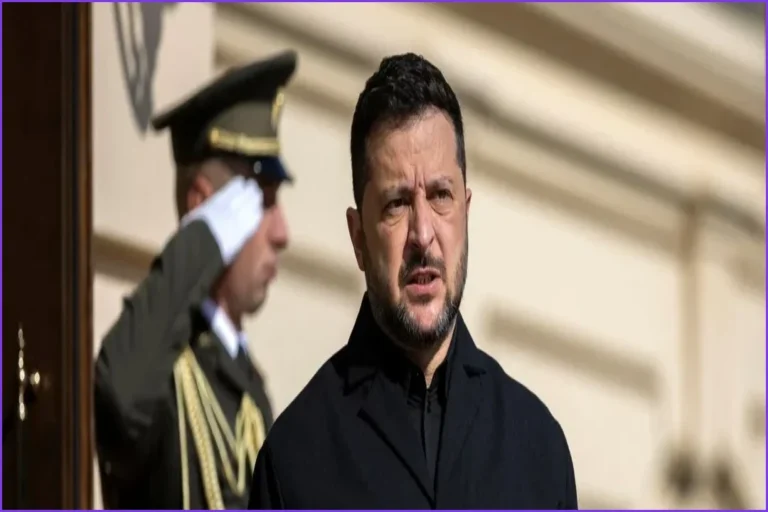
For Ukrainians, the situation is equally dire, with a growing sense of vulnerability as Russia steps up its ballistic missile attacks. In the past, air raid sirens in Ukraine provided a sense of security, as citizens knew the country's air defenses were responding and could reasonably expect many incoming threats to be intercepted. That is no longer the case. Ukraine has run out of U.S.-made Patriot air defense missiles and is currently helpless to stop incoming Russian ballistic missiles. In recent weeks, there have been several terrible nights where Russia fired salvos of more than 20 ballistic missiles at Kyiv and other cities, with Ukraine failing to shoot down any of them, or at most, one. The Ukrainian Air Force reports these figures every morning, and President Volodymyr Zelenskyy continues to call on the U.S. and Europe to send more Patriot missiles.
The difficulty in defending against these attacks is partly due to the sheer scale of the countries involved. Russia is the world's largest country, making up 11% of the Earth's total land mass, meaning its defenses cannot be everywhere at once. While Moscow and military installations remain priorities, it is nearly impossible to protect every gas and oil facility scattered across the country, or commercial warehouses like those of Wildberries. Furthermore, Russia faces the challenge of defending Crimea, the annexed peninsula seized in 2014, which is now struggling with a lack of electricity, fuel, and supplies.
For Ukraine, the frustration is that they possess the Patriot air defense batteries, but they lack the interceptor missiles to use them. It is described as having a gun but no bullets. While about 20 countries possess Patriot systems, the Trump administration is not sending any at this time, and no other country is publicly pledging to help. U.S. stockpiles are significantly depleted due to the war in Iran, and European countries, which have provided some support in the past, appear unwilling to part with their limited remaining stocks. Ukraine is discussing building a new antimissile system with European partners, but the process is complex and testing is not expected until the middle of next year. While Ukraine remains a world leader in drone interception, successfully shooting down around 90% of incoming Russian drones, these systems are ineffective against more powerful ballistic missiles.
Despite the intensity of these strikes, there is little evidence they will change the trajectory of the war. Many of these attacks target civilian or economic sites rather than military ones. While they instill fear and damage the economy, they are far from the frontlines and do not appear to provide a significant military advantage. The major concern remains the upcoming winter, as Russia has consistently targeted Ukraine's civilian power grid in previous years. With Ukraine's grid already fragile and lacking defensive protection, the next few months are viewed as a critical period.
Meanwhile, the ground war remains largely a stalemate. The Kremlin insists its forces are making progress, but any movement is slow and comes at the cost of heavy losses. Russian President Vladimir Putin has long maintained that it is only a matter of time before Ukrainian lines crack under pressure. Last month, when Ukraine, with U.S. backing, proposed a mutual pause on long-range attacks, Putin rejected the idea outright. He argued that such a pause would only allow Ukraine to send reinforcements to the frontlines and asserted that whatever damage Ukraine can inflict on Russia, Russia can inflict far more in return.
SUMMERS: And, Greg, what about Ukraine then?
SUMMERS: And, Charles, lastly, this rapid evolution in the air war seems to be in contrast to the ground war that is largely a stalemate. Are you seeing any movement there?