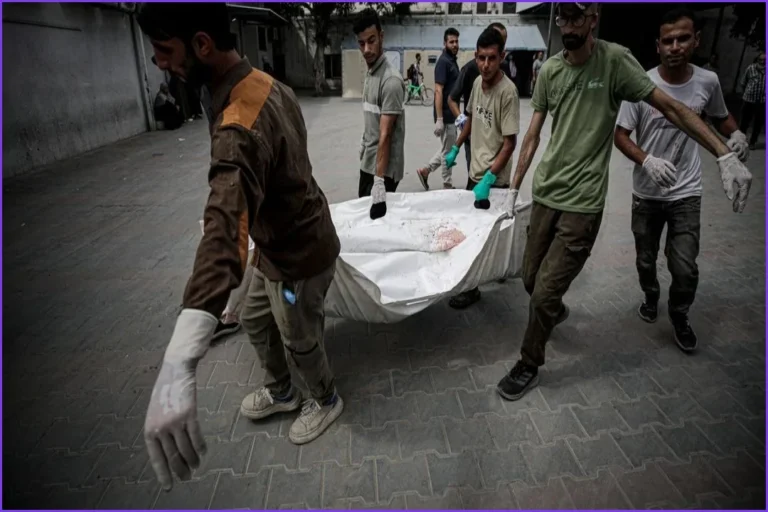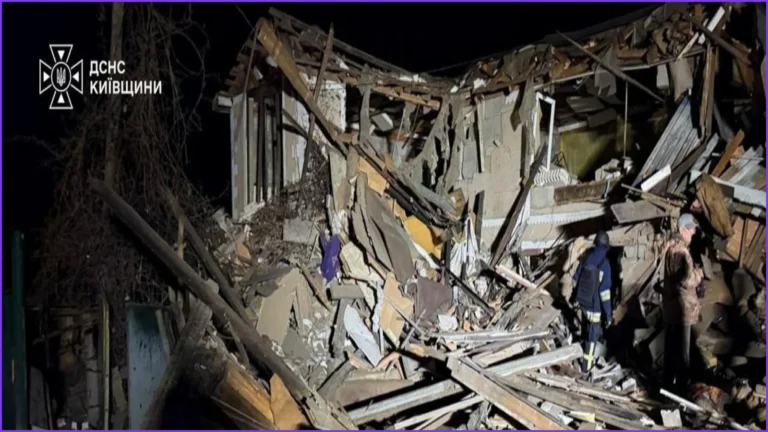
Russian forces launched a series of fresh attacks on Saturday, striking the Ukrainian capital of Kyiv, the southern port city of Odesa, and the eastern city of Kharkiv. The onslaught involved a combination of drones and ballistic and cruise missiles, further escalating the conflict that has been ongoing since February 2022.
In Kyiv, the strikes resulted in 11 injuries. Ukrainian President Volodymyr Zelenskyy reported that civilian infrastructure was targeted even before an air raid alert could be issued. The damage in the capital included apartment buildings, offices, and a theological seminary. Meanwhile, a separate morning missile strike in Odesa killed two people and injured another, while an attack in Kharkiv left seven individuals wounded.
Zelenskyy noted that recovery efforts are currently underway across the Odesa, Sumy, Kharkiv, and Chernihiv regions. These attacks coincide with a critical period for Ukraine, as the nation faces dwindling supplies of munitions necessary to defend against Russian ballistic missiles. In response to the situation, the President urged NATO members to fulfill the pledges made during this week’s summit in Ankara.
At the Ankara summit, NATO members committed to providing €70 billion—nearly $80 billion—in military equipment, training, and assistance for Ukraine, with promises to maintain at least equivalent levels of support through 2027. Some members, including the United States under President Donald Trump, have also signaled support for Ukraine to manufacture its own Patriot missiles.
Amid the intensified fighting, Ukraine has ramped up its own drone production, frequently targeting Russian energy infrastructure and logistics hubs. On Saturday, the Ukrainian military reported an attack on 21 Russian oil tankers in the Sea of Azov, potentially marking the largest drone strike on Russian vessels since the war began. Russian authorities confirmed at least one fatality on one of the targeted ships. Ukraine has also increased its focus on the Crimean Peninsula, which Russia annexed in 2014 and currently utilizes as a primary logistics hub for its invasion.
To view this video please enable JavaScript, and consider upgrading to a web browser that supports HTML5 video
Don't let the algorithm hide the news. If you rely on our team for trusted reporting, please take a moment to select us as your Preferred Source on Google by clicking here and hitting the "star" or "preferred" button, so you'll always see our verified news first.