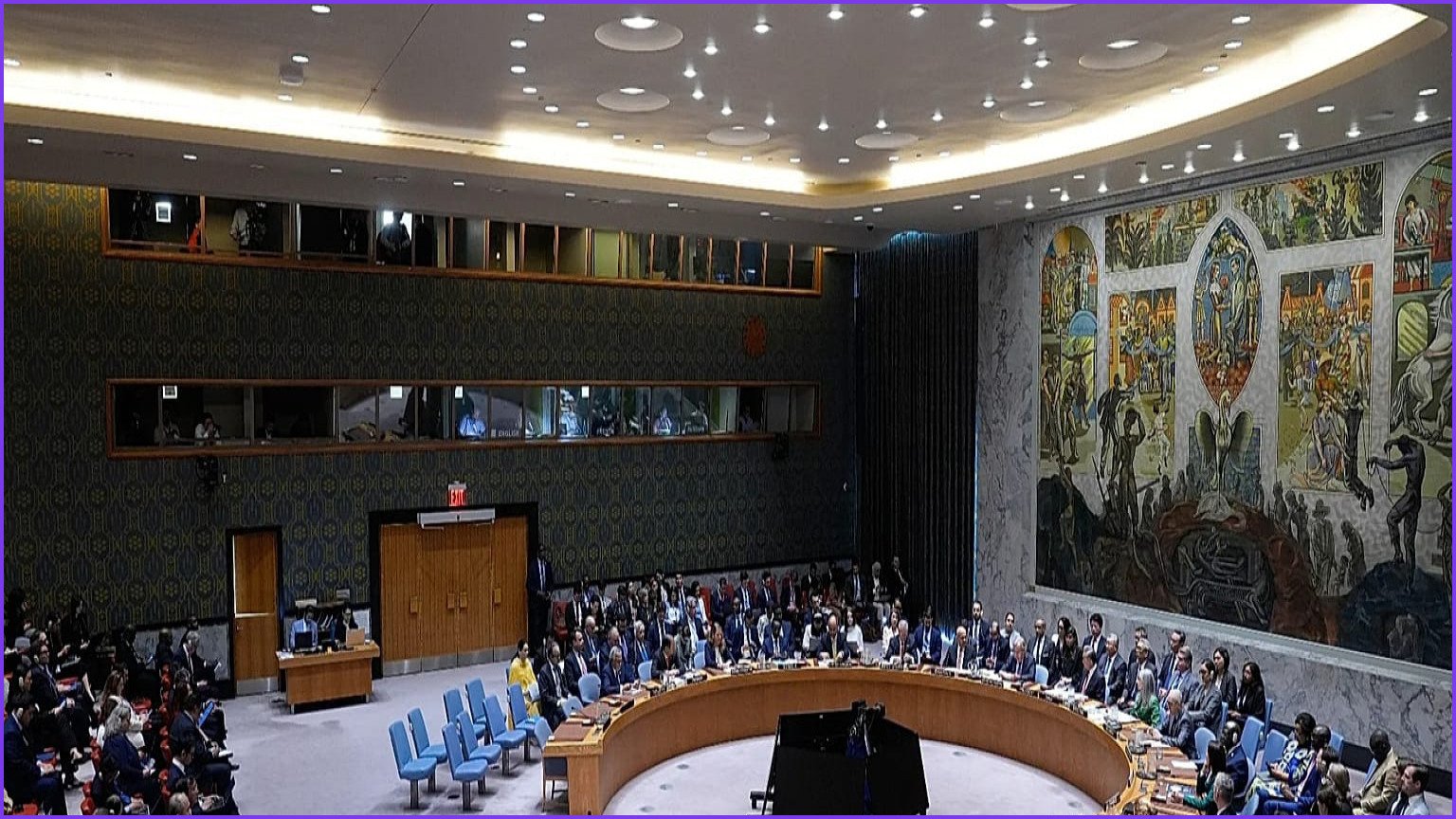
A United Nations Security Council resolution aimed at maintaining independent oversight of sanctions against Iran was defeated on Thursday after Russia and China exercised their veto power. The proposed measure, drafted by the United States, sought to extend the mandate of a UN expert panel for an additional year to monitor compliance with sanctions reimposed on Tehran due to its nuclear program.
The resolution failed in a vote of 11-2, with Somalia and Pakistan abstaining. The vetoes effectively remove international monitoring of the sanctions, though the underlying restrictions remain in place. This development follows the activation of the "snapback" provision by France, Germany, and the United Kingdom, which had previously restored the Security Council sanctions committee and authorized the expert panel.
The diplomatic standoff occurred against the backdrop of an ongoing US campaign to isolate Iran economically. On the same day as the vote, Washington announced new measures targeting digital currency networks, specifically accusing BitBank and the Pishtaz Simorgh Electronic Trade Co. of facilitating illegal access to the international financial system for sanctioned Iranian entities. The US Treasury and State Departments also targeted three associates of Babak Zanjani, the previously sanctioned chief of BitBank, for their alleged role in sanction evasion.
Iran’s UN mission expressed gratitude to Russia and China on social media, characterizing the vote as a move that "prevented yet another cynical attempt by the United States and its allies to abuse the Security Council for their political purposes."
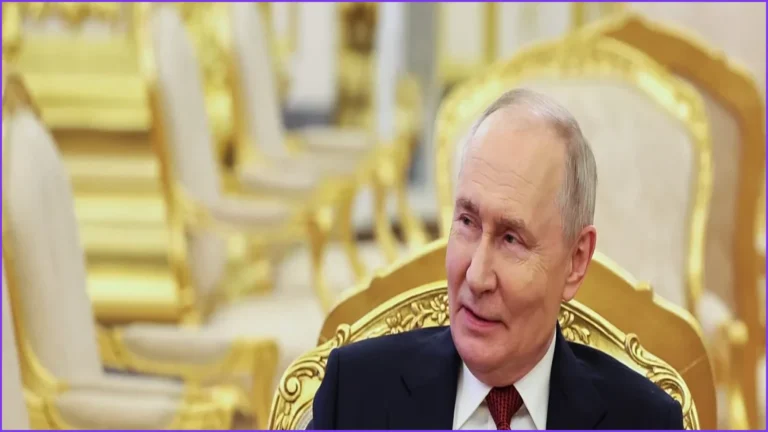
Russian UN Ambassador Vassily Nebenzia defended the veto, reiterating Moscow’s stance that the "snapback" process was illegal and that the resolution to extend the expert panel was "deeply flawed and did not have any legal basis." Nebenzia noted that Russia and China had urged the US to avoid a vote to prevent further tension, but claimed Washington chose confrontation instead.
In response, US deputy ambassador to the UN, Jennifer Locetta, stated that the vetoes were not unexpected. She argued that the expert panel would have exposed prohibited cooperation between Iran and its partners, suggesting that the vetoes were part of a wider effort to "stifle reporting that implicates their own activities in support of rogue regimes." Locetta warned that the absence of an independent panel creates a dangerous monitoring gap that benefits the Iranian regime.
French UN Ambassador Jerome Bonnafont, serving as the current council president, emphasized that sanctions remain a crucial instrument to encourage Iran to return to its nuclear obligations. Bonnafont indicated that France would evaluate alternative methods for ensuring sanctions enforcement, potentially involving a monitoring team composed of France, Germany, the UK, and the United States, similar to the approach taken after the North Korean panel of experts was abolished.
The situation remains complicated by the fact that UN nuclear inspectors have been unable to verify Iran's stockpile of enriched uranium since June 2025, following joint US and Israeli strikes on nuclear facilities. According to the UN nuclear watchdog, Iran maintains a stockpile of 440.9 kilograms of uranium enriched up to 60% purity, a level that remains a technical step away from the 90% threshold required for weapons-grade material.