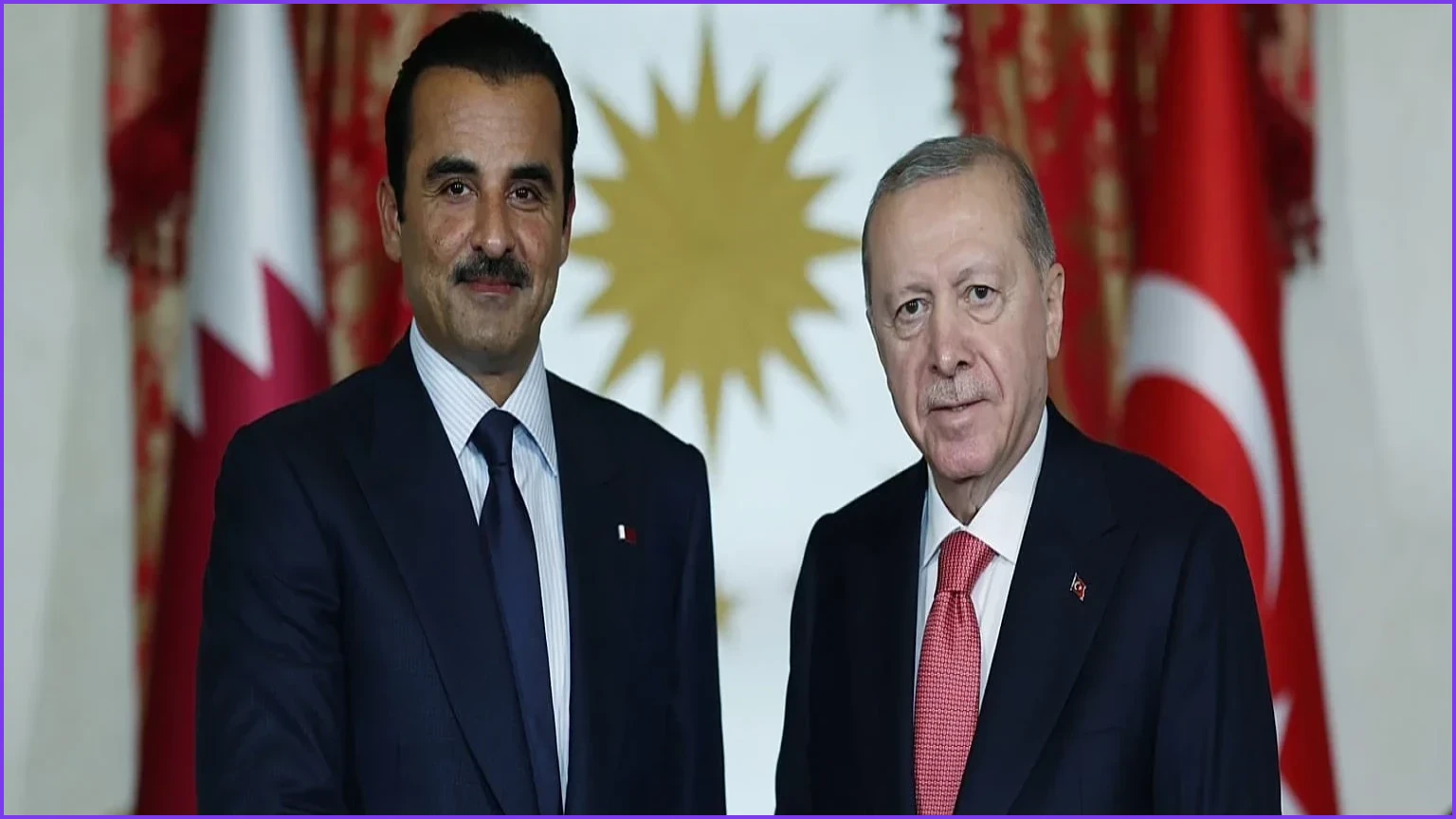
Turkey and Qatar have formalized a landmark mutual defence agreement, marking a significant step in deepening their strategic and security partnership. The pact was signed on Friday in Istanbul as Turkish President Recep Tayyip Erdogan and Qatar’s Emir Sheikh Tamim bin Hamad Al Thani co-chaired the Supreme Strategic Committee between the two nations, concluding a wide range of bilateral agreements.
According to a joint statement released by the two countries, the agreement is designed to bolster collective defence, ensure regional stability, and establish a unified stance in the face of any external armed attack targeting either or both parties. The two leaders emphasized that the partnership reflects a shared vision for a more stable regional order, with President Erdogan’s office noting that the deal will add a new dimension to the brotherly ties between the two countries.
The agreement includes provisions for regular consultations on security threats, the expansion of defence industry cooperation, the execution of joint military exercises, and the exchange of personnel training. President Erdogan stated that the two nations would continue working together to prevent a renewed outbreak of war in the Gulf region and to promote dialogue and peace. Beyond the defence pact, Qatar and Turkey also signed multiple agreements covering trade, energy, diplomacy, education, and culture.
This development occurs within a broader context of rapid regional realignments. As the United States signals a global shift, Gulf nations are increasingly broadening their defence strategies to navigate a complex security landscape. In recent months, a new map of defensive alliances has emerged involving Turkey, Qatar, Saudi Arabia, Pakistan, and Indonesia.
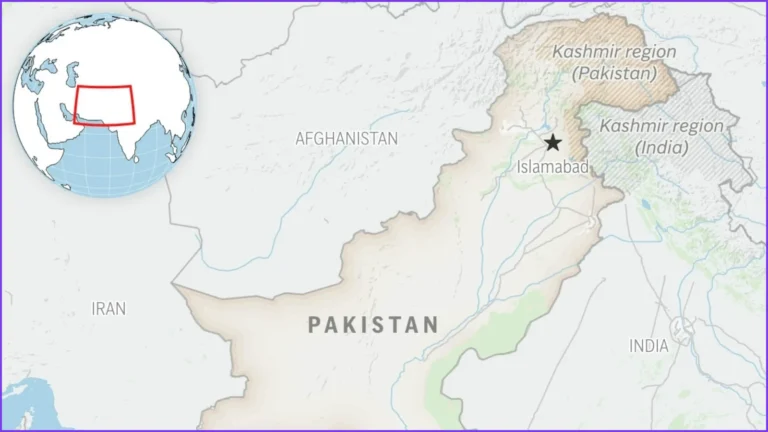
In August, Turkey, Pakistan, and Saudi Arabia signed the “Mecca Joint Defence Agreement,” a regional pact under which the three countries would come to each other's aid if one of them came under attack. This agreement, which was ratified by the Turkish parliament last week, links NATO member Turkey, which has the alliance's second-largest military, with Pakistan, the Muslim world's only nuclear-armed state, and Saudi Arabia, the Gulf's leading power. Turkey has stated that this agreement is not aimed at any other country and remains open to other states, including Egypt. Also in August, Pakistan and Kuwait signed a joint defence and military cooperation agreement. Additionally, in October, Qatar, Turkey, Pakistan, and Indonesia signed the “Badr” multilateral memorandum of understanding on defence industry cooperation.