Nikolay Mladenov, the high representative overseeing Gaza’s postwar transition, has held what officials described as “constructive and detailed” talks with Israeli Prime Minister Benjamin Netanyahu. The meeting, which included Mladenov’s senior adviser Aryeh Lightstone, focused on a proposed agreement to decommission weapons currently held by Hamas within the Gaza Strip.
According to the Board of Peace, the primary objective of these negotiations is to transition the territory away from “rule by the gun” toward a system of civilian governance. Sources familiar with the discussions indicated that Mladenov has been pressuring the Israeli government to halt its ongoing military strikes in Gaza to facilitate the implementation of the disarmament deal.
Hamas issued a statement on Monday confirming that the group and various Palestinian factions remain committed to the second phase of the ceasefire agreement. The group noted that it is currently awaiting a clear and official response from Mladenov and the mediators regarding the agreed-upon terms. Conversely, Israel has expressed significant security concerns regarding the text of the agreement and has communicated these reservations to the United States.
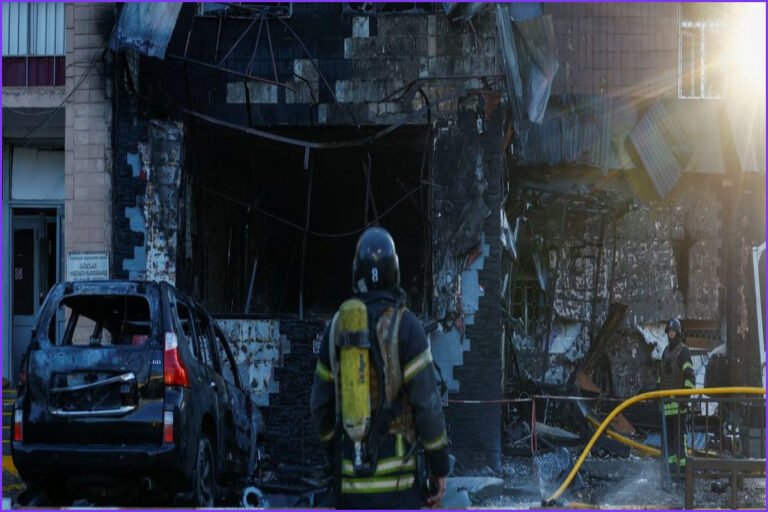
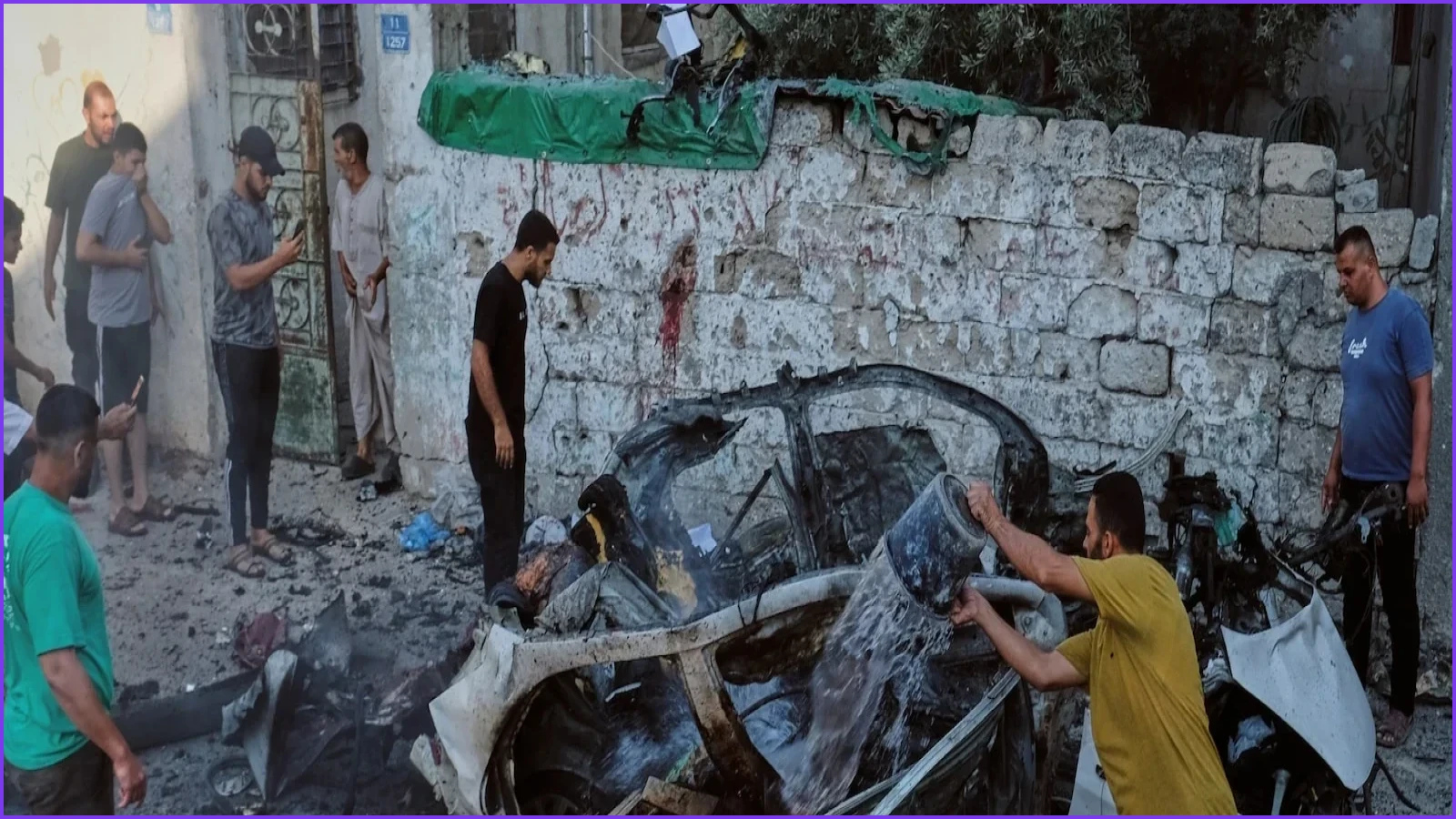
The diplomatic push comes amid continued violence. While no airstrikes were recorded on Monday, Israel had previously intensified its military operations, resulting in 17 deaths between Saturday night and Sunday, according to local health officials. Mediators from Egypt, Qatar, and Turkey issued a joint statement on Monday condemning the strikes, specifically citing the targeting of medical infrastructure and healthcare facilities as a violation of international law.
The ongoing conflict began following a Hamas-led attack on southern Israel that resulted in the deaths of approximately 1,200 people and the taking of 251 hostages. Since then, the Israeli military offensive in Gaza has caused 73,375 deaths, according to figures provided by the Gaza Health Ministry. While these statistics do not differentiate between combatants and civilians, they are regarded as generally reliable by the United Nations and other international entities.