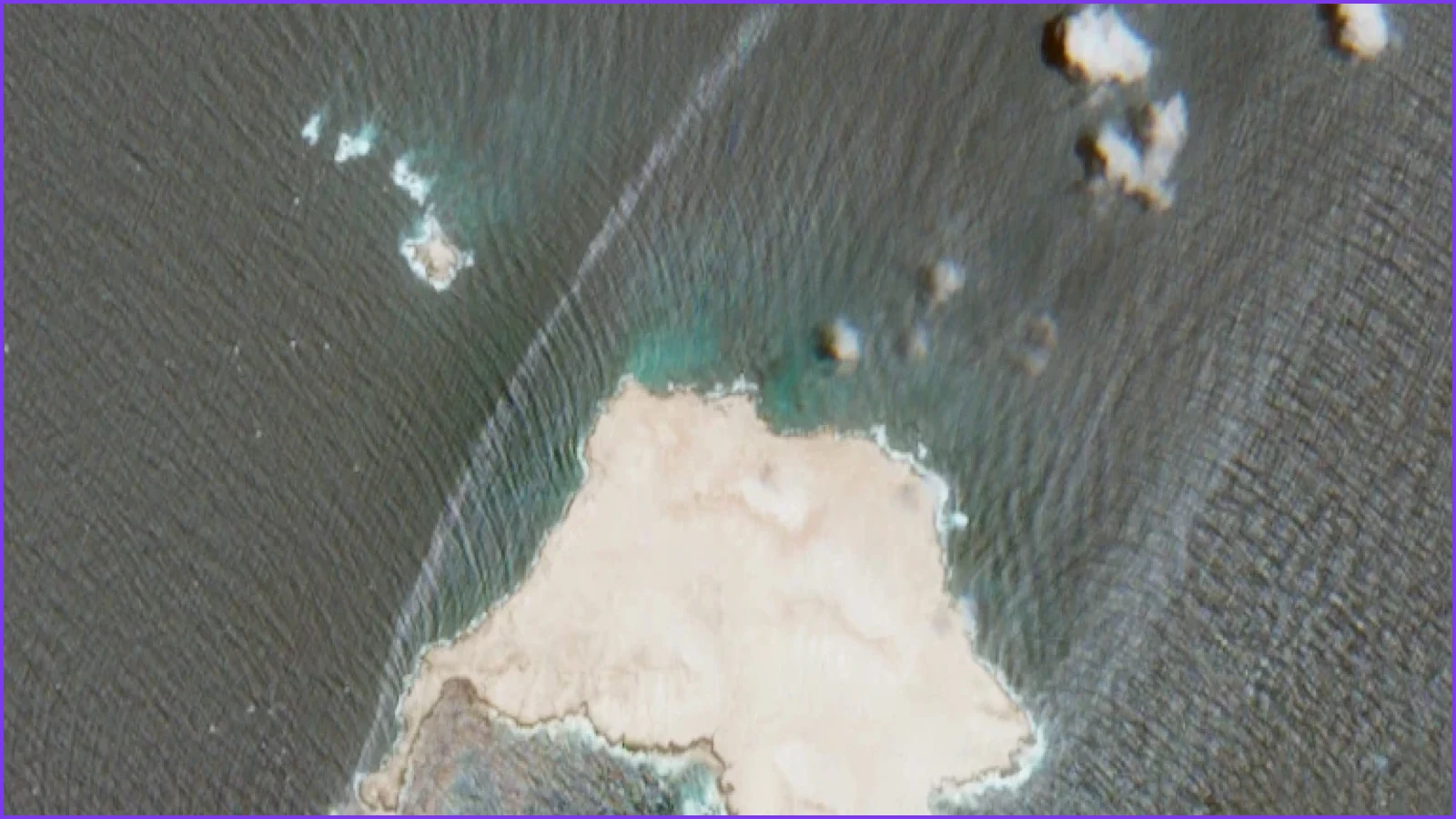
An oil spill originating from a grounded, U.K.-sanctioned tanker off the coast of Oman is escalating rapidly, with recent satellite imagery revealing that the slick has reached local shorelines and spread extensively into the sea. Greenpeace Germany reported Monday that the spill now encompasses an estimated 150 square kilometers, or 58 square miles, significantly impacting large portions of Qibliyah Island in Oman's Dhofar governorate.
Nina Noelle of Greenpeace Germany described the situation as a "drastic increase" compared to data from just one week prior, when the spill was estimated at only 20 square kilometers. While the exact cause of the accelerated leakage remains unclear, the 274-meter, or 899-foot, Suezmax tanker, identified as the Caroline Bezengi, continues to be the source of the pollution. The vessel, which is flagged in Cameroon, has been under international sanctions from the U.K., the European Union, Canada, and Switzerland for its involvement in activities intended to support the Russian government or destabilize Ukraine.
The environmental impact is particularly concerning as the affected area lies within an Arabian Sea reserve. This marine protected zone is a critical habitat for wildlife, including endangered petrels and the rare Arabian Sea humpback whale. Wim Zwijnenburg, an environmental expert with the Dutch organization PAX, noted that while the thin sheen of oil may evaporate depending on weather conditions, thick black patches of crude have already reached the southern and western shores of the island. Zwijnenburg estimated the tanker had been carrying more than 800,000 barrels of crude oil and observed that the sheen now stretches approximately 90 kilometers, or 56 miles, nearly doubling its length from the previous week.
The Caroline Bezengi has reportedly been grounded since June, following reports from maritime news outlets that the crew experienced an explosion on board, though these accounts have not been independently verified. Geospatial data from SynMax Maritime previously placed the vessel at the Russian port of Novorossiysk in May. Greenpeace Germany highlighted the incident as a clear example of the environmental risks posed by the so-called "shadow fleet" associated with Russian oil exports.
Omani authorities, specifically the Ministry of Transport, Communications and Information Technology, had issued an order for the ship's owners to remove both the vessel and its cargo by July 23, as noted in the Muscat Daily. It remains unconfirmed if the owners have responded to this mandate or what the vessel’s final destination was intended to be before it ran aground.