Global energy markets are facing renewed volatility as Brent crude prices surged to $100 a barrel for the first time since May. This significant increase, which saw the global benchmark rise more than 6% on Thursday, follows a period of escalating conflict in the Middle East that has reignited concerns regarding the stability of energy supplies.
The price spike was largely catalyzed by Houthi militia attacks on oil tankers in the Red Sea. These vessels were utilizing a key export route that Saudi Arabia has relied upon to avoid the Strait of Hormuz.
The situation represents a sharp reversal from recent trends, as oil prices had previously been in decline following a temporary ceasefire between the United States and Iran.
Before the current surge, prices had fallen back to levels observed prior to the commencement of US and Israeli military actions against Iran on 28 February. However, recent days have seen the United States intensify its military strikes against the nation, further complicating the geopolitical landscape.
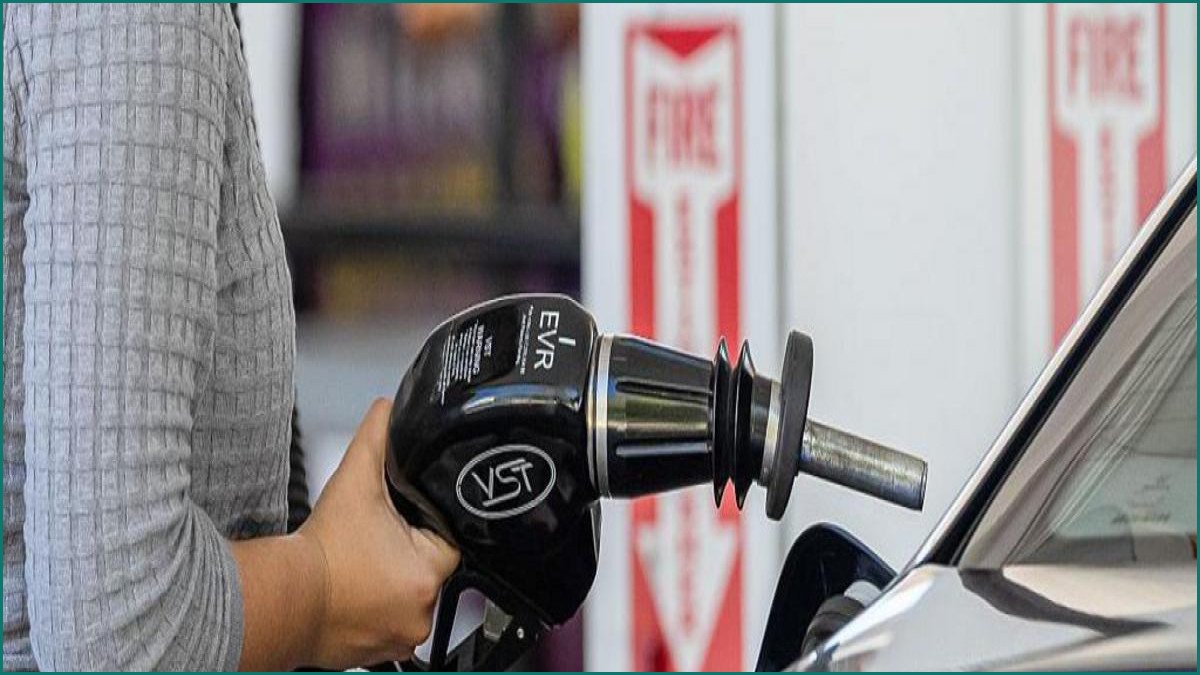
Energy costs for consumers are already reflecting this instability. UK gas prices have climbed to approximately 150p per therm, rising from 98p at the end of June. Data from the RAC indicates that UK petrol prices have increased by 5p a litre since the start of July, reaching nearly £1.56, while diesel averages £1.72 a litre.
In the United States, average gasoline prices have climbed back above $4 a gallon, up from $3.92 a month ago, according to AAA.
Experts warn that these elevated energy costs could have broad economic consequences. Jonathan Raymond, an investment manager at Quilter Cheviot, noted that higher fuel and energy costs ripple through the wider economy, increasing business expenses and eventually driving up the price of consumer goods like food.
While inflation in the UK fell to 2.6% in the year to June and US inflation dropped to 3.5%, there is growing concern that these downward trends may be short-lived.
Central banks now face the difficult prospect of managing persistent inflation. Kevin Warsh, the newly appointed chair of the US Federal Reserve, recently informed Congress that the central bank possesses no tolerance for persistently elevated inflation and remains committed to restoring price stability.
Despite pressure from President Donald Trump to reduce borrowing costs, the Fed maintained US interest rates between 3.5% and 3.75% during Warsh’s first meeting last month.
In the UK, the Bank of England has held interest rates at 3.75% for four consecutive meetings. Capital Economics chief UK economist Paul Dales suggested that while the Bank will almost certainly maintain rates, analysts still hold expectations for potential cuts next year should energy price volatility subside.