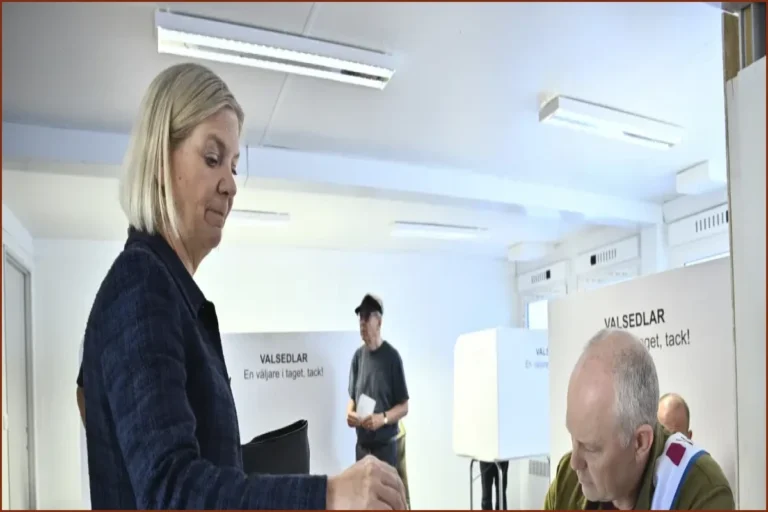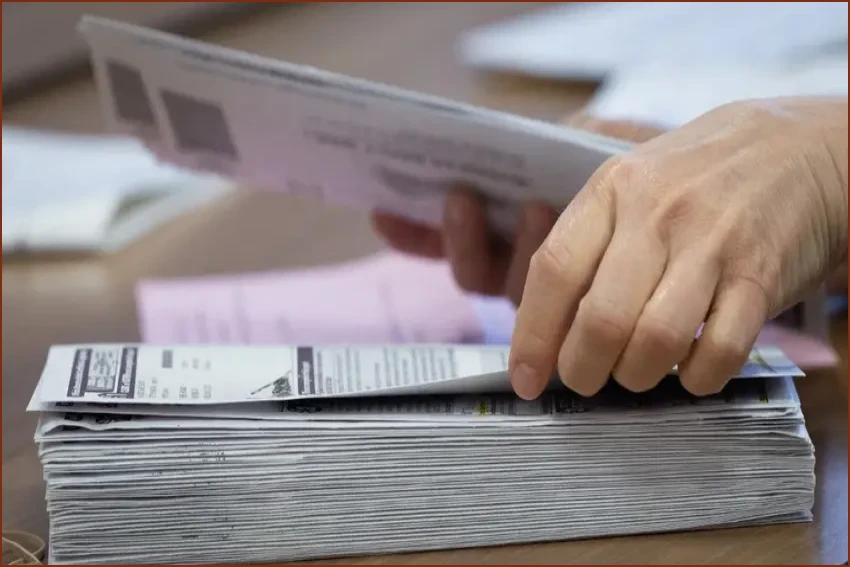
Americans residing in Europe are navigating a period of significant uncertainty as the upcoming US midterm elections approach. With the initial distribution of mail-in ballots expected to begin in the coming weeks, many overseas voters are questioning how new federal restrictions will affect their ability to participate in the democratic process.
The confusion stems from an executive order issued in March 2026, titled "Ensuring citizenship verification and integrity in federal elections." This directive requires individual states to compile a list of US citizens aged 18 and older at least 60 days before any federal election. Furthermore, the order mandates the use of "unique ballot identifiers" on envelopes and prohibits the United States Postal Service (USPS) from transmitting any mail-in ballots from individuals whose names do not appear on these state-generated lists.
Voting rights groups have raised alarms regarding the constitutionality of the order, expressing concern that overseas voters—whose rights are protected under the Uniformed and Overseas Citizens Absentee Voting Act—could be wrongfully excluded from voter lists. The non-partisan U.S. Vote Foundation stated in a press release that the executive order "threatens U.S. citizens living overseas and uniformed service members, whose already time-sensitive voting process depends on efficient mail systems." The foundation further warned that these requirements risk making it impossible for many of these voters to successfully cast a ballot.
Although several democratic states and advocacy organizations have launched legal challenges against the order, the US Supreme Court ruled on Monday that it was too early for the judiciary to assess the legality of the directive. While the legal battle is expected to continue in lower courts and eventually return to the Supreme Court, the USPS has already published plans to comply with the order. According to reporting by the Associated Press, the postal service has stated it will not deliver mail-in ballots that lack the required state citizen lists and specially formatted envelopes.